
Search

The Kids Research Institute Australia is pleased to share in $490,000 in State Government funding designed to provide vital support to WA’s innovation sector in the wake of COVID-19.
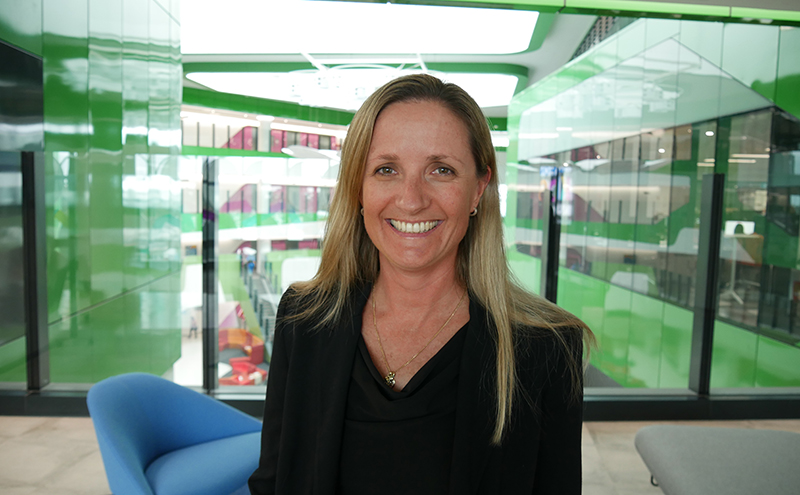
A The Kids Research Institute Australia researcher focused on promoting more active childhoods to improve child health and wellbeing will be named amongst WA’s most outstanding young scientists at the upcoming 2020 Young Tall Poppy Science Awards.
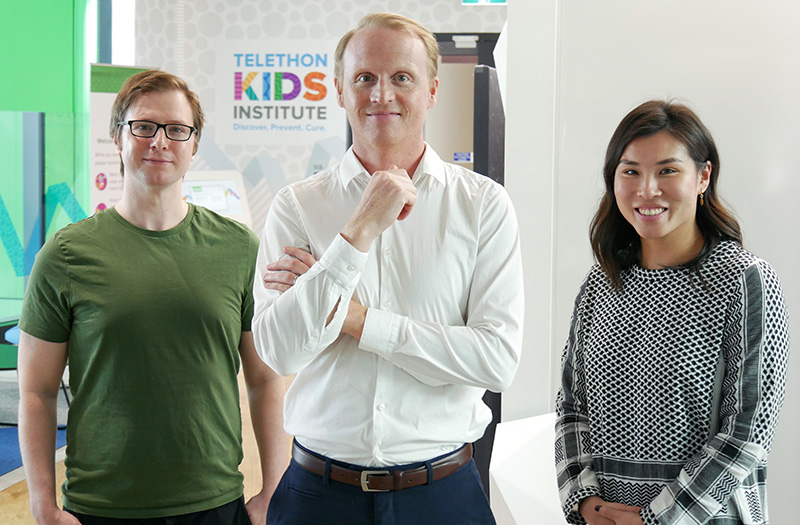
A world-leading research team built to tackle malaria has relocated from Oxford University to Western Australia to take advantage of the state’s growing big data talent pool.
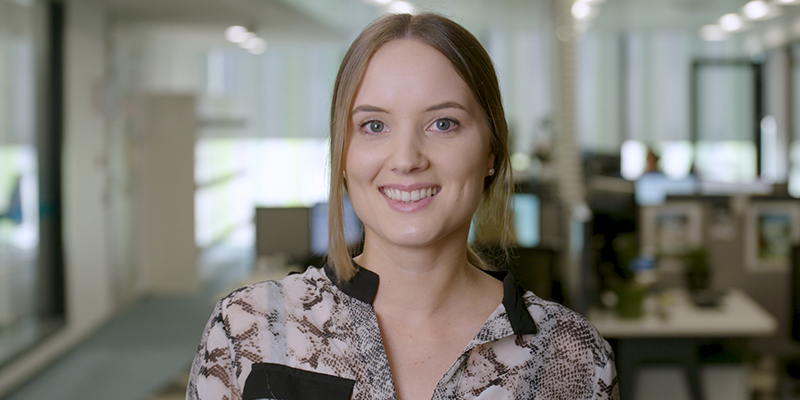
The Kids Research Institute Australia researcher Hayley Passmore will use a prestigious Churchill Fellowship to investigate better ways to support young people in detention who are affected by neurodisability.
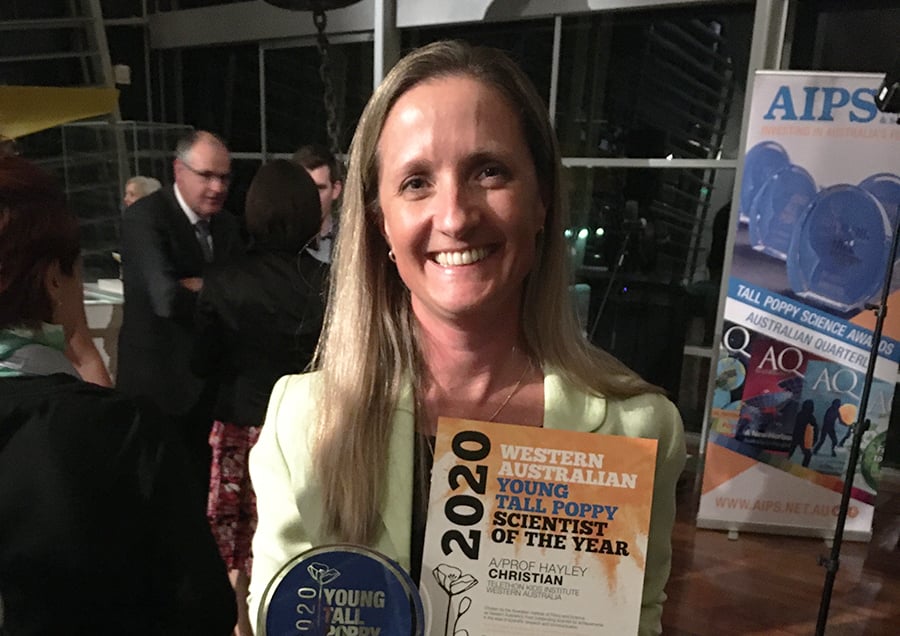
The Kids Research Institute Australia and University of Western Australia physical activity researcher Hayley Christian has been named Young Tall Poppy Scientist of the Year at the 2020 WA Young Tall Poppy Science Awards.
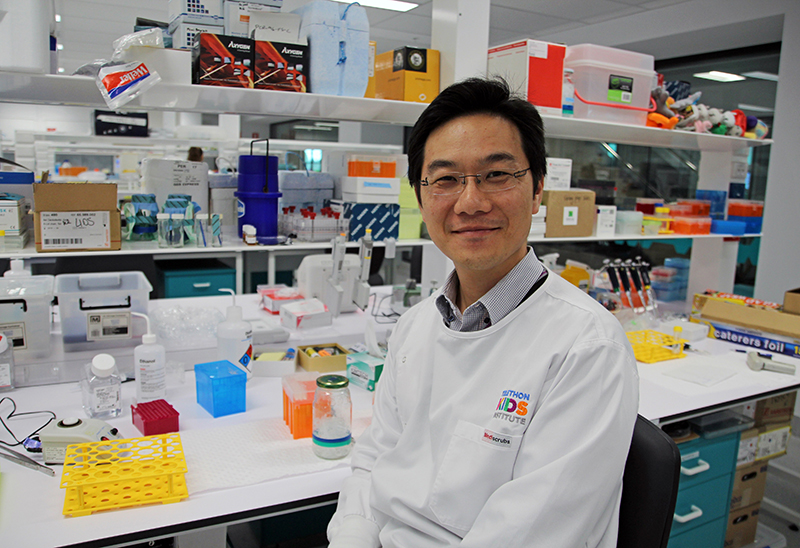
Dr Laurence Cheung is doing everything he can to end the threat of childhood leukemia. His research has the potential to change countless lives, but he also has another important job – being a dad to three beautiful children.
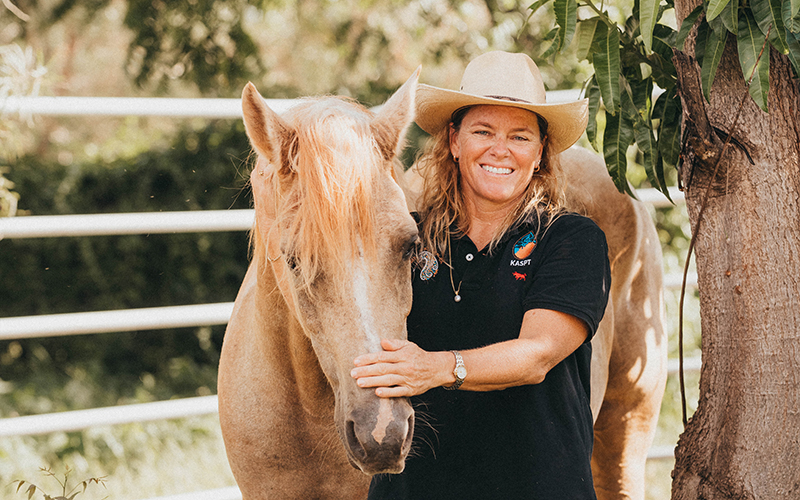
A trail-blazing Aboriginal-led program which uses equine-assisted learning to address the urgent needs of young Aboriginal people across the Kimberley has been given a major funding boost, thanks to a generous grant from Healthway.

We at The Kids were disappointed to read the comments made by our new Lord Mayor Basil Zempilas about the transgender community.
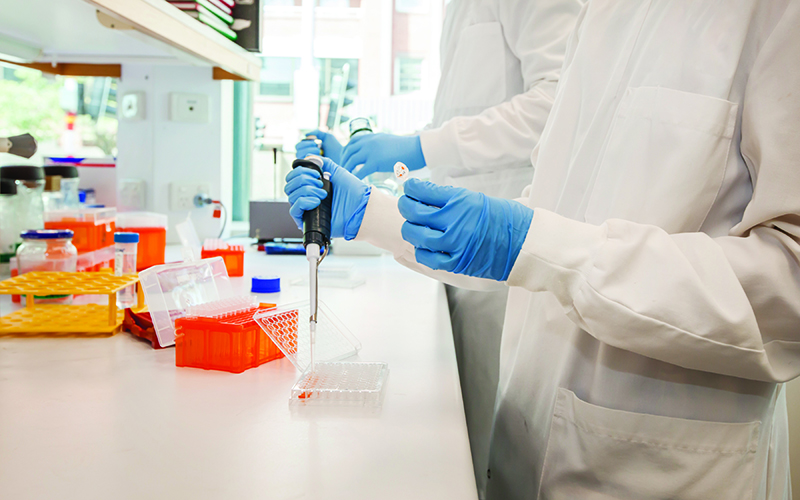
In an Australian-first, The Kids Research Institute Australia researchers have developed a new tool that could improve outcomes for children with a highly aggressive type of brain cancer.
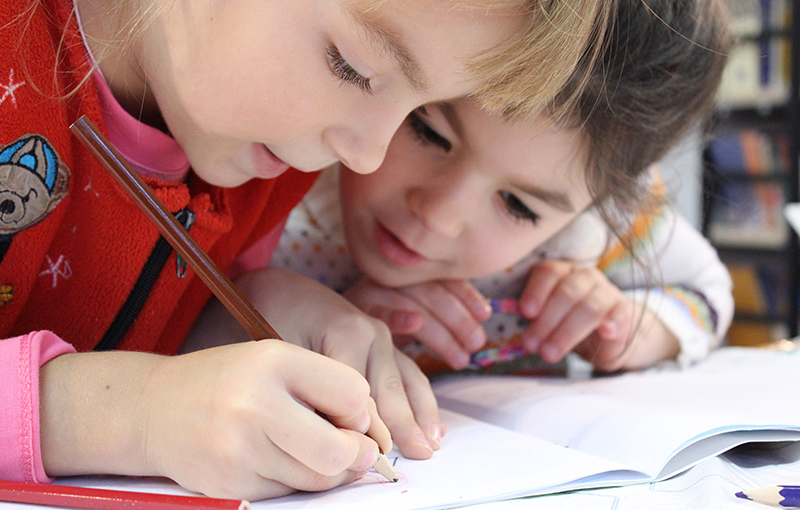
A new study by researchers at The Kids Research Institute Australia has found there is a bigger picture to consider when determining whether a child is ready to start school.