
Search
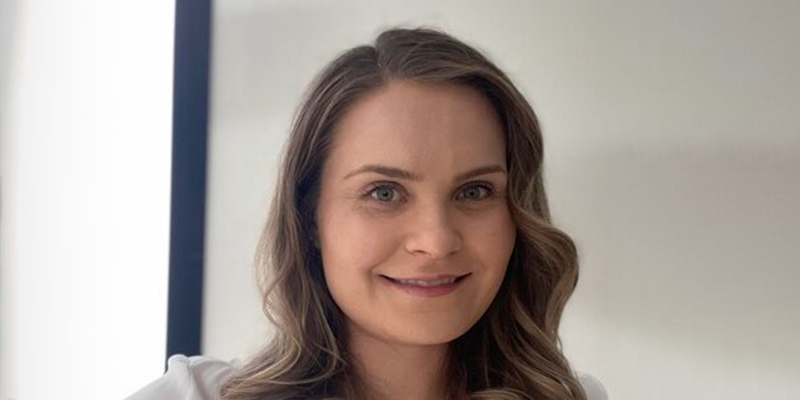
A youth mental health researcher aiming to map suicide hotspots and avert further suicides in WA has been awarded a prestigious fellowship from the Forrest Research Foundation.

Mailing list Discover. Prevent. Cure. Be Inspired About The Kids Join thousands of active subscribers and hear about the brave kids, dedicated
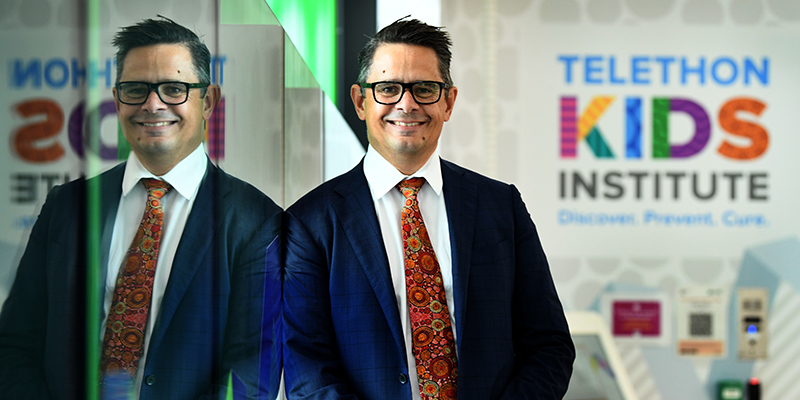
Former West Australian Treasurer, Hon Ben Wyatt, has accepted a position on the Board of WA’s leading medical research organisation, The Kids Research Institute Australia.
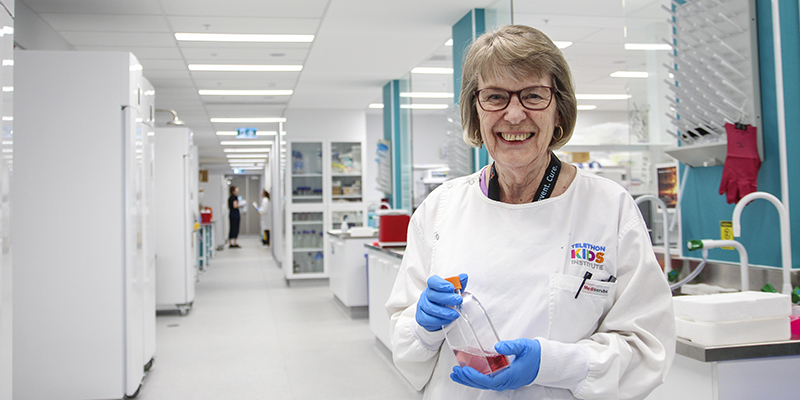
The Kids Research Institute Australia has farewelled one of its most treasured employees, with research officer Jette Ford closing the door on a quietly stellar 37-year career which has changed the face of cancer research in WA and around the world.
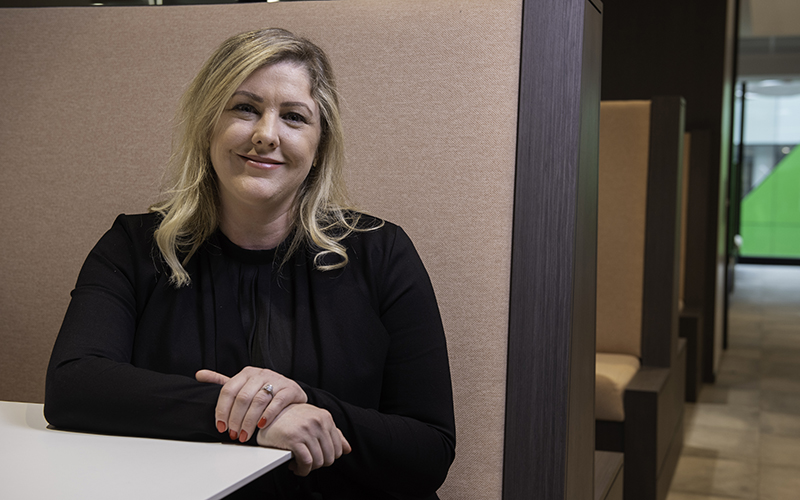
Congratulations to Associate Professor Rebecca Glauert, Head of the Developmental Pathways and Social Policy Team at The Kids Research Institute Australia and an internationally recognised expert in data linkage.

Plenty of parents will tell you the daily lunchbox dilemma is one thing they did not miss during the summer holidays – which stretched even longer due to WA’s hard lockdown.

WA’s sudden lockdown has come as a shock to most of us. The Kids Research Institute Australia researcher and psychologist Dr Monique Robinson says parents should keep a close eye on their children who may be feeling anxious or disappointed as a result.

Perth’s The Kids Research Institute Australia has praised the Food Safety Ministers of Australia and New Zealand for standing firm and putting children first by approving the recommended red, black and white mandatory warning label on alcohol products.

The Kids Research Institute Australia researchers have urged Australia’s Food Safety Ministers to hold their nerve and resist alcohol industry efforts to water down health labels that will protect Australian babies from the lifelong effects of Fetal Alcohol Spectrum Disorder (FASD).

The benefits of owning a dog start even earlier than previously thought show new research from The Kids Research Institute Australia.