
Search
Sensory integration therapy is used widely despite an inconsistent evidence base. To overcome the limited availability of high-quality research, Ayres Sensory Integration (ASI) was manualized and a revised fidelity measure was developed following the identification of the principles of ASI®. The aim of this systematic review is to examine the proximal and distal effects of interventions in studies that explicitly reported the use of or adherence to the process elements of the fidelity measure.
Citation: Wang KCW, Lawrence K, Wisnivesky JP, Diaz AA. Enhancing a diverse population: the American Thoracic Society Mentoring Program for
To determine age-specific and age-standardised incidence trends of acute rheumatic fever (ARF) or rheumatic heart disease (RHD) among Indigenous Western Australians aged less than 35 years of age.
Obesity was a risk factor for severe COVID-19 in children during early outbreaks of ancestral SARS-CoV-2 and the Delta variant. However, the relationship between obesity and COVID-19 severity during the Omicron wave remains unclear.
People born preterm (<37 weeks’ gestation) have lower peak oxygen consumption (peak VO2), a well-established indicator of long-term health outcomes, compared to term-born peers. However, responses to exercise can vary with exercise mode, which has implications for prognostic assessments.
This narrative review article summarises the current evidence on environmental exposures before surgery. There is emerging evidence suggesting that environmental exposures before surgery, namely exposure to air pollution and allergenic pollen, may significantly influence the risk of these events occurring.
Dibothriocephalus nihonkaiensis is a zoonotic tapeworm transmitted to humans through consumption of raw or undercooked fish or wild meat. Between 2022 and 2023, Yamagata Prefecture reported an increase in cases compared with 2017-2021, when none were observed. We conducted a clinical and environmental investigation to clarify infection sources.
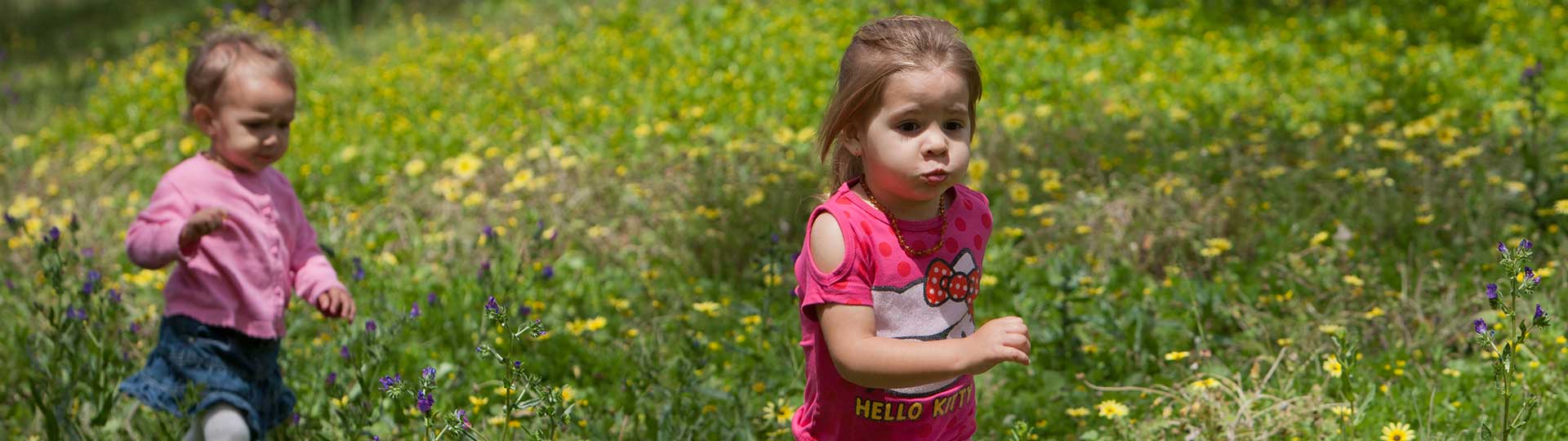
The following maps provide a visual insight into how the number and rate of Indigenous suicides varies across different regions of Australia.
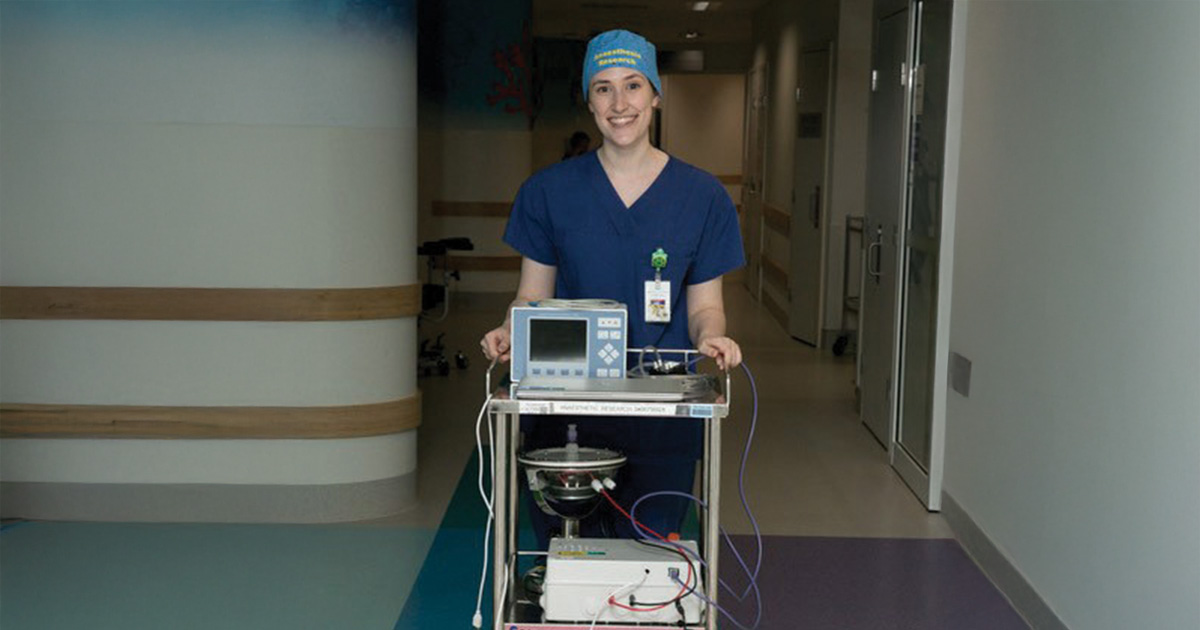
When kids are having surgery, the most common problem that can occur during anaesthesia is a respiratory adverse event.

A Kimberley study seeking to better understand Strep A in remote settings is helping to guide new approaches to prevent acute rheumatic fever (ARF) – an auto-immune response that typically begins with a sore throat and causes high fever, tiredness and swollen joints.