
Search
Dog ownership has been suggested to be positively associated with children's physical, social, and emotional development. This study investigated the effect of a mobile health dog-facilitated physical activity intervention on young children's social-emotional development and attachment to the family dog.
In this paper we provide an integrative synthesis of eight systematic reviews that compromise our systematic review series entitled ‘Population Perspectives on Nurturing Relational Health from Early Life’. We reflect on what we know, what we don’t know, and what we need to know to better safeguard the interpersonal world of the child.
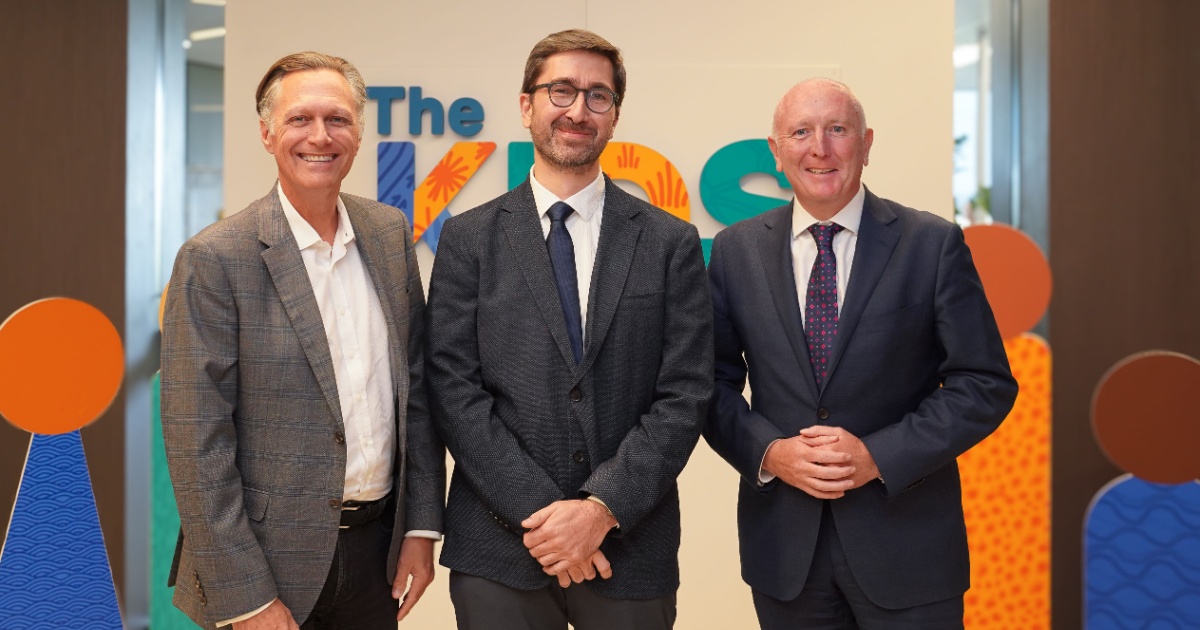
A leading autism scientist has relocated to Perth to take up a new appointment at The Kids Research Institute Australia, thanks to a program designed to attract world-class health researchers to Western Australia.

Recently, researchers from The Kids Research Institute Australia, Perth Children’s Hospital and The University of Western Australia contributed to three major international publications, collectively reinforcing rare diseases as a critical, community-wide health priority.
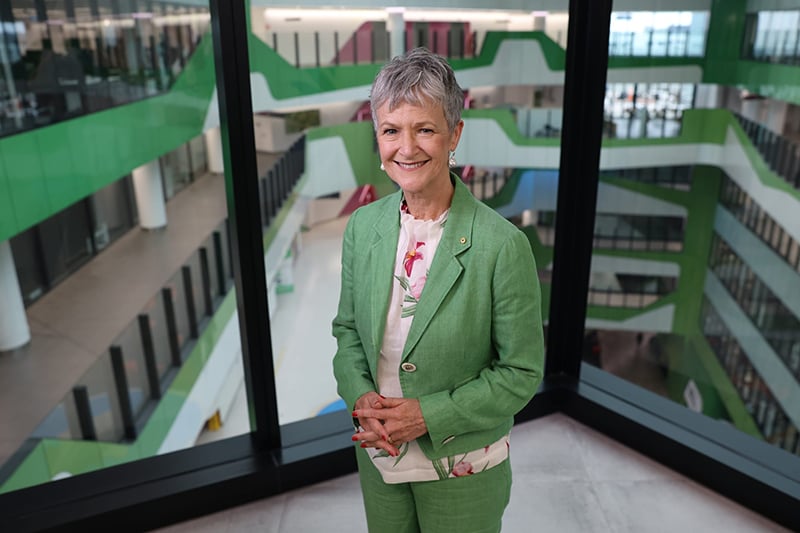
Professor Caroline Homer AO - a globally recognised leader in maternal and child health, with an international career that spans clinical care, academic research, policy influence and senior leadership - has been named The Kids Research Institute Australia’s third Executive Director.
To map and systematise existing research on the use of artificial intelligence (AI) in mental health-based diabetes care contexts, identify trends and potential gaps in the literature, examine methodological limitations and highlight future research directions.
Global rates of invasive Group A Streptococcus (iGAS) disease surged from September 2022, exceeding pre-COVID-19 pandemic levels, showing atypical seasonality and disproportionately affecting children. We previously described the epidemiology of iGAS among Australian children from mid-2018 to end 2022 using data from the Paediatric Active Enhanced Diseases network and here provide updated clinical epidemiology for 2023 and 2024 to help inform public health strategies.
Men’s Sheds offer promising sites for unique health promotion opportunities, and while prior work has identified potential mechanisms that may support wellbeing, these mechanisms are yet to be empirically clarified in the Men’s Shed context. This study investigated the relationships between engagement in Men’s Sheds, social identification, social connectedness, social support, and wellbeing outcomes in Men’s Shed members in Western Australia.
Britta Regli-von Ungern-Sternberg AM FAHMS MD, PhD, DEAA, FANZA Chair of Paediatric anaesthesia, University of Western Australia; Consultant
Dissociative disorders in children and young adolescents are under-recognised and under-treated. Current diagnostic criteria rely on downward extensions of adult models and do not adequately consider developmental differences in younger populations. This reliance risks overlooking symptom patterns that may be unique in childhood, thereby perpetuating diagnostic gaps and delayed treatment.