
Search
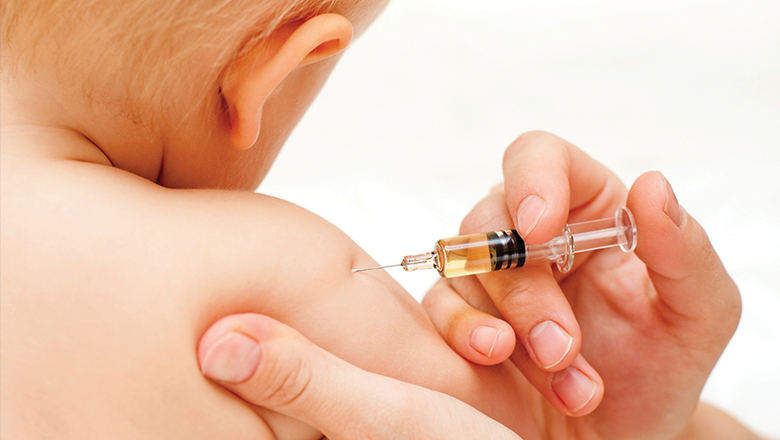
We all know how important it is to vaccinate a child against harmful diseases but vaccinating a child at the right wrong age can cost lives.

As our Founding Director Fiona Stanley puts it, The Kids Research Institute Australia was formed on a "wing and a prayer".
Autism researcher Professor Andrew Whitehouse was on 720 ABC Perth yesterday taking questions on child health.
A Kids Research Institute Australia researcher has been awarded $10,000 from the New Independent Researcher Infrastructure Support (NIRIS) award.
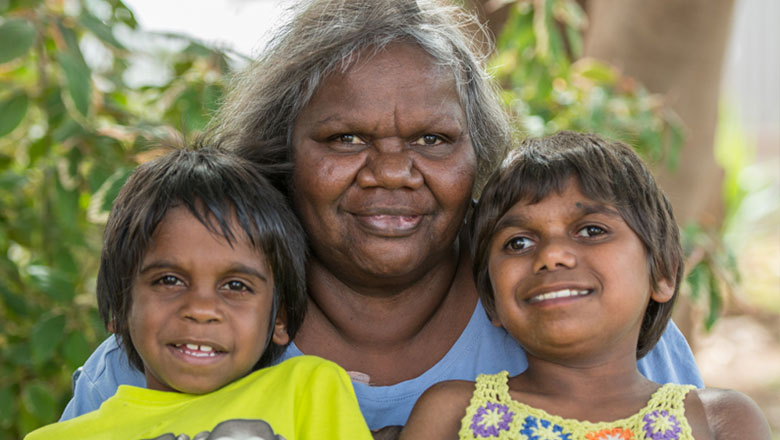
Can resilience improve health outcomes in Aboriginal young people? That question will be explored by The Kids Research Institute Australia researcher Clair Scrine.

Do you want to know how to protect your kids online? The Kids Research Institute Australia's Professor Donna Cross outlines her top ten tips for cyber safety in this video.
A world-leading cystic fibrosis research program, based at The Kids Research Institute Australia, is a finalist in the 2015 Australian Museum Eureka Prizes.
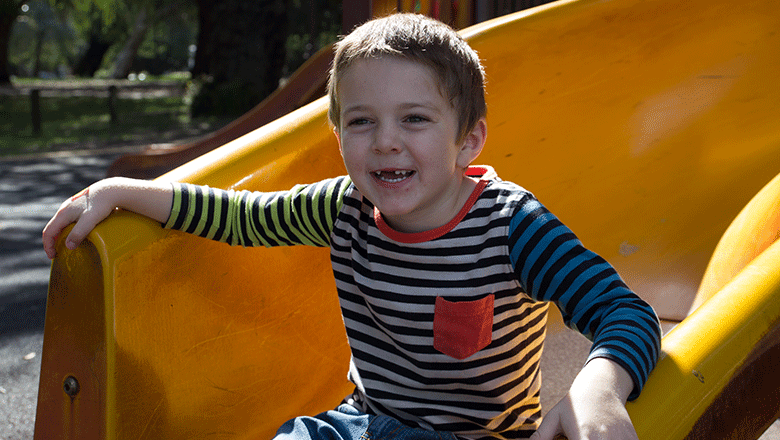
The Kids Research Institute Australia research has shown nearly 50 per cent of children with autism have tried fish oil supplements, but does it actually improve symptoms?
The Telethon Kids Institute has welcomed the expansion of clinical services for young people with Fetal Alcohol Spectrum Disorders (FASD).
The Kids researcher Dr Hannah Moore has been named Woodside Early Career Scientist of the Year at the 2015 Premier's Science Awards.