
Search
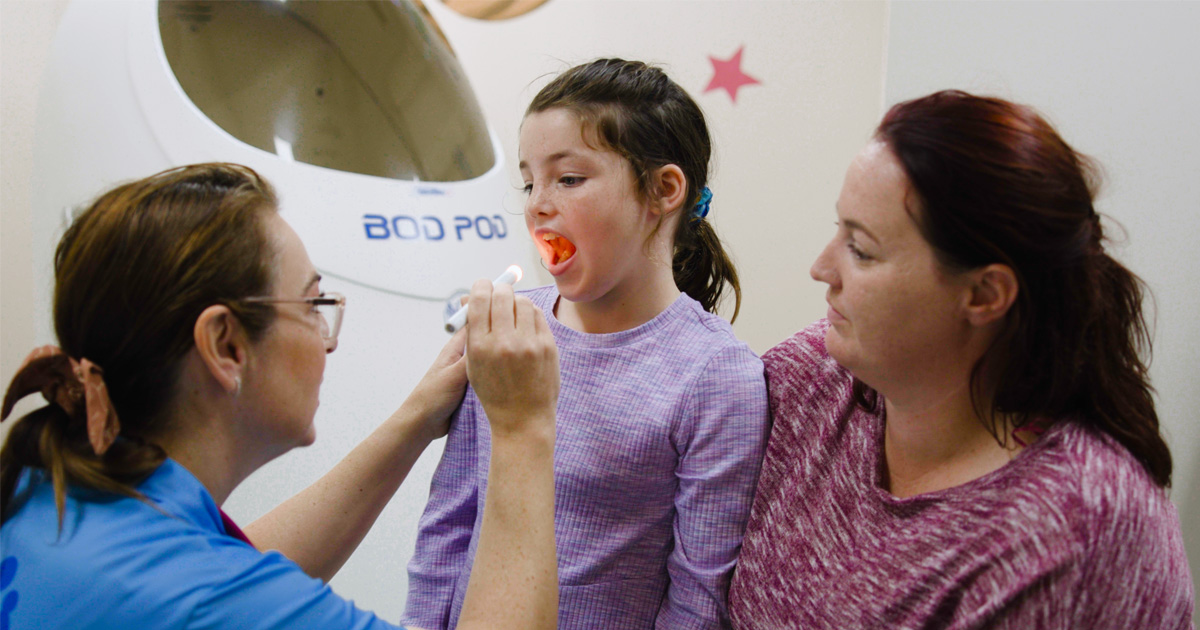
A substantial funding boost from the Stan Perron Charitable Foundation will help to further extend one of Australia’s biggest longitudinal child health research studies centred around families from the Joondalup and Wanneroo communities.

Honorary Research Fellow
Improving maternal gut health in pregnancy and lactation is a potential strategy to improve immune and metabolic health in offspring and curtail the rising rates of inflammatory diseases linked to alterations in gut microbiota. Here, we investigate the effects of a maternal prebiotic supplement (galacto-oligosaccharides and fructo-oligosaccharides), ingested daily from <21 weeks' gestation to six months' post-partum, in a double-blinded, randomised placebo-controlled trial.
The term 'ultra-processed food' emerged in the 1980s, mostly used in reference to highly-processed convenience foods and snacks, often energy-dense, poor in nutrients, and inclusive of various synthetic additives such as emulsifiers, colors, artificial sweeteners, and/or flavor enhancers.
This study aimed to assess the effect of n-3 fatty acid supplementation in pregnancy on offspring SPM at birth and 12 years of age (12 years)
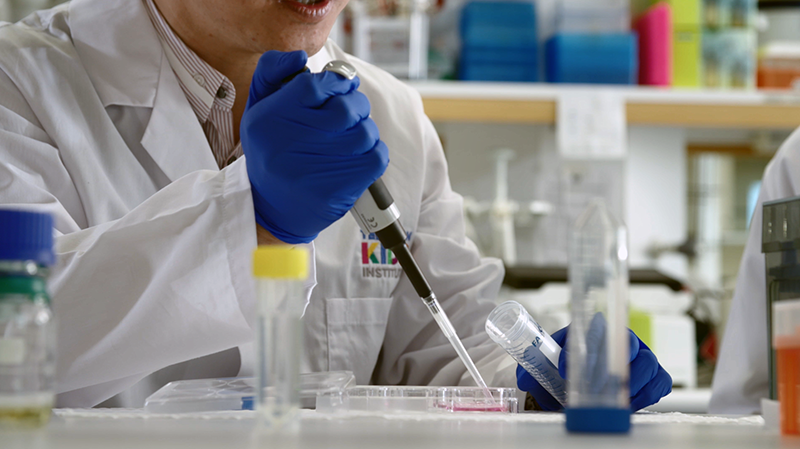
The Kids researchers will use nearly $8.5 million awarded by the National Health and Medical Research Council (NHMRC) to tackle health issues including respiratory disease, brain cancer, vaccination and Aboriginal health.
The Kids Research Institute Australia is proud to have been selected in a pilot program to improve the promotion and retention of women and gender minorities in science.
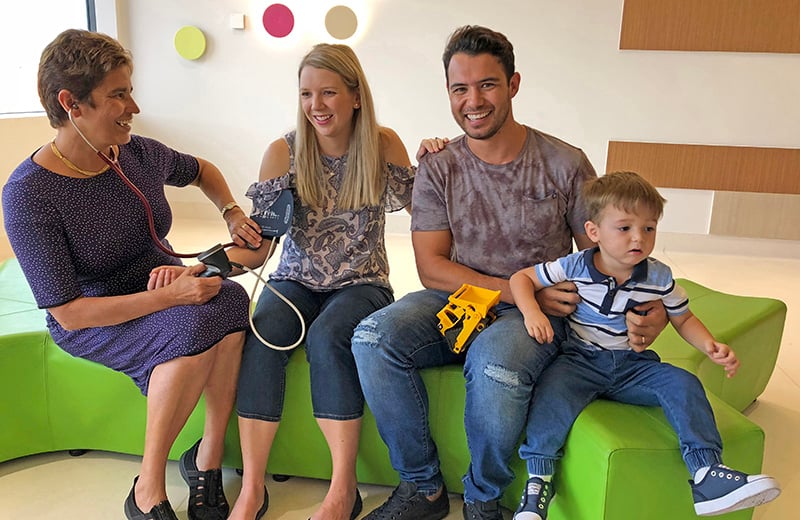
Professor Desiree Silva with the 1000th family - Jess, Michael and Eli The multimillion-dollar ORIGINS Project, an extensive community-based
Mental ill-health and substance use bear significant public health burden on young people. Prevention is key. Trauma-informed approaches to prevention of mental ill-health and substance use demonstrate significant promise, yet it is unclear how well existing approaches work for young people targeting mental ill-health and substance use. This review aimed to assess the effectiveness, feasibility, and acceptability of trauma-informed mental ill-health and/or substance use prevention programs for young people.
Inguinal hernia repair is the most common operation in infants, with well recognized anesthetic and perioperative risks. The aim was to investigate if the combination of caudal block, high-flow nasal oxygen insufflation and intravenous dexmedetomidine sedation is suitable for infants undergoing inguinal hernia surgery.