
Search
Four leading The Kids Research Institute Australia researchers have been awarded Fellowships from the National Health and Medical Research Council (NHMRC).
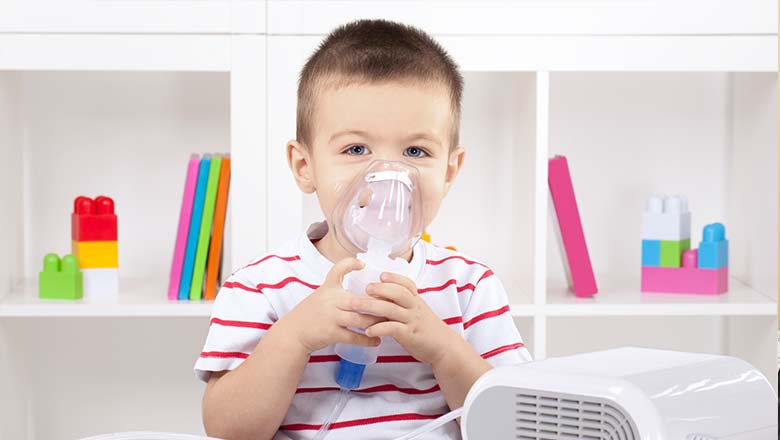
Telethon Kids Institute and the PMH Anaesthesia Research Team will work to improve the safety for young children with asthma undergoing general anaesthesia.
Telethon Kids Institute researcher Dr James Fitzpatrick has been named a finalist in the WA Australian of the Year awards for his work to reduce FASD.
Vinka Barunga has made history by becoming the first Aboriginal doctor from Derby and she's also added The Kids researcher to her list of achievements.
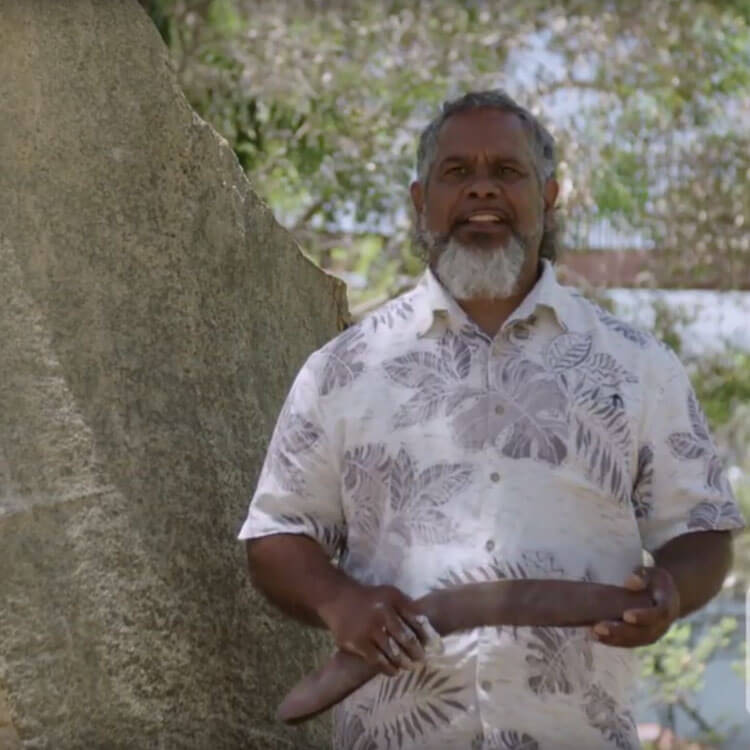
Wadjuk Nyungar man Walter McGuire talks about the importance of air quality to our health.
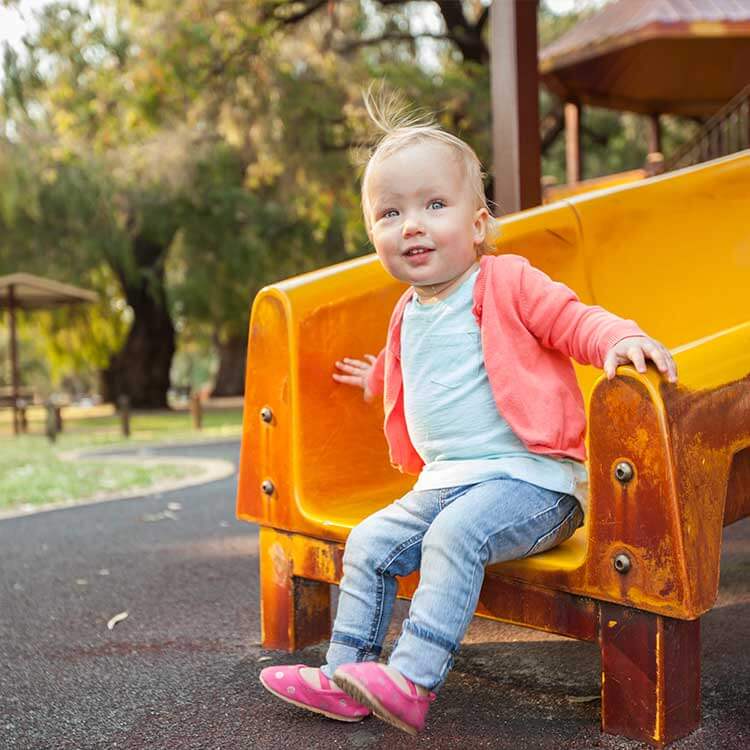
Perth's The Kids Research Institute Australia is excited to announce the appointment of Professor Alex Brown, Ms Nicole O'Connor and Professor Jozef Gecz to its Board.

Congratulations to three The Kids Research Institute Australia researchers, who have been awarded funding from the Raine Medical Research Foundation.

The Kids Research Institute Australia researchers have been awarded more than $10 million in research funding from the National Health and Medical Research Council (NHMRC).
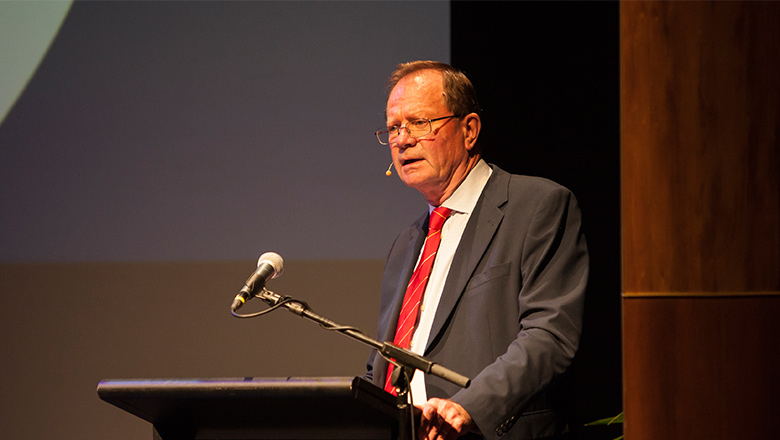
One of the world's leading respiratory experts, Professor Stephen Holgate, presented The Kids Research Institute Australia's Annual Community Lecture on Tue November 28.
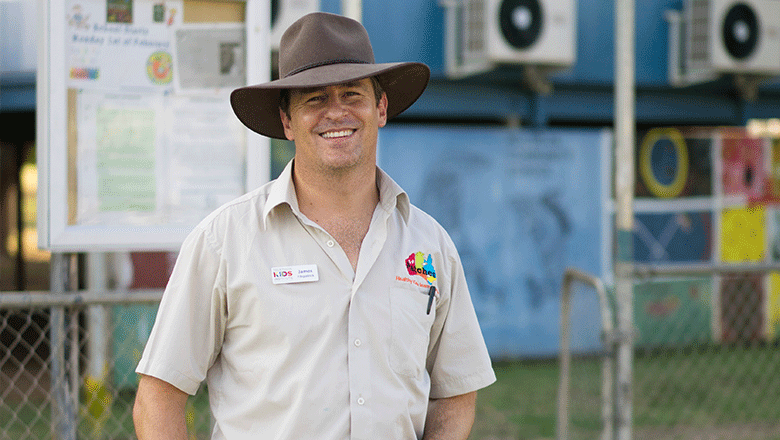
Among the highest rates of Fetal Alcohol Syndrome (FAS) worldwide have been reported by Aboriginal community leaders in the remote Fitzroy Valley.