
Search
In the first few years of life, the family environment is the dominant setting in young children’s lives.
CoLab has released the first in a series of policy papers on early childhood in Western Australia.

The Core Story for Early Childhood Development and Learning Collaboration is a long-term communications initiative to transform the way early childhood development and learning is understood in Australia.
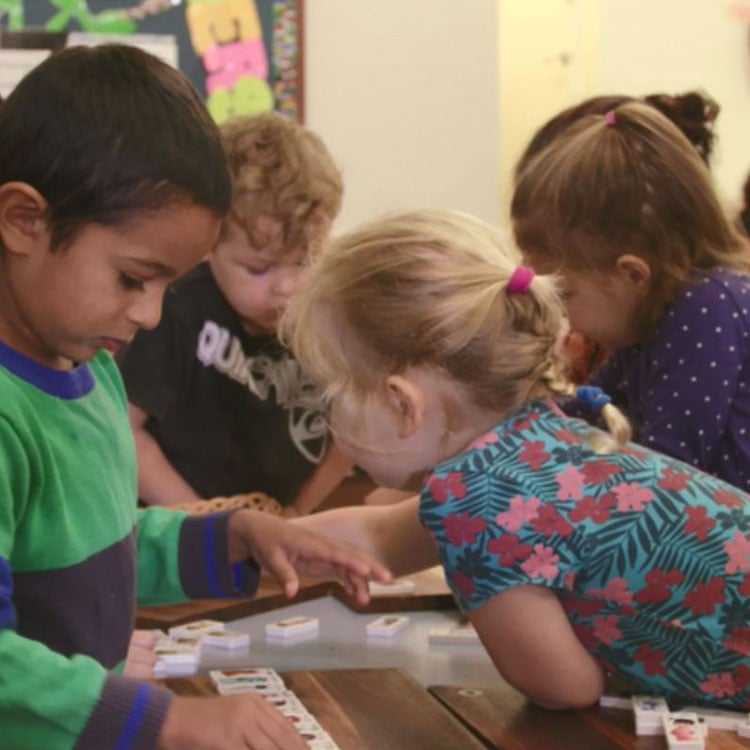
The Western Australian Child Development Atlas will use geospatial technology to map data on Western Australian children’s health, learning, development and social characteristics, giving community leaders and service providers the ability to identify the priority issues for their children.
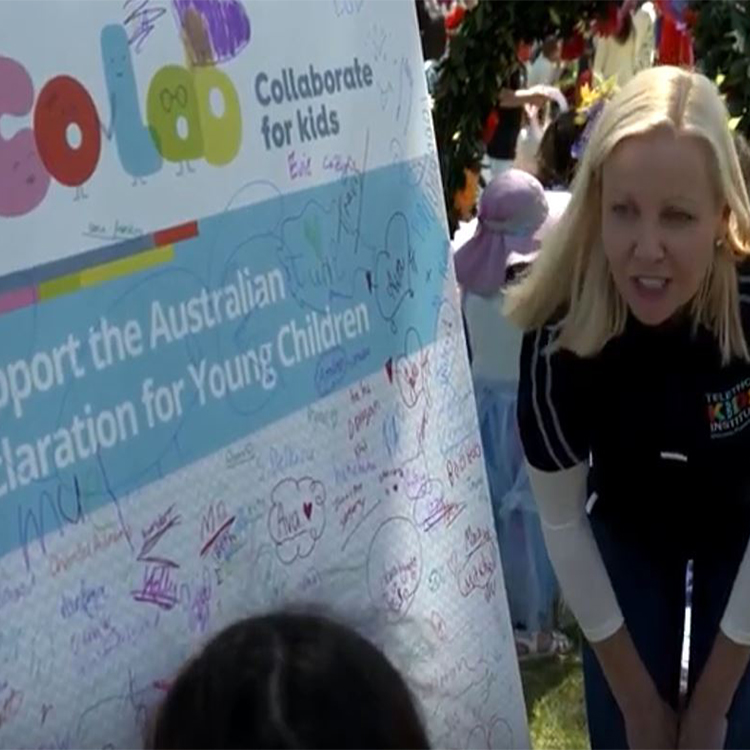
More than 100 leading Australian stakeholders with early childhood expertise were invited to work with CoLab to develop the first Australian EC Declaration.
The experience of poverty early in the life course can have far-reaching impacts on children’s health, development and educational success, well into adulthood.
Mental health problems are the most prevalent and expensive chronic condition affecting children.
Carrington Shepherd PhD Honorary Research Associate Honorary Research Associate Areas of research expertise: Population health; Aboriginal and Torres
The ACE project is led by Dr Pamela Laird and aims to improve post-hospitalisation follow-up of Indigenous children hospitalised with acute lower respiratory tract infections.
This project seeks to conduct a focus group for young people (aged 11-14) and their parents/family members through the Danila Dilba Health Service (DDHS) in Darwin with the aim of identifying consumer needs and perspectives on next steps and priorities for peer support in RHD.