
Search
Contact us If you'd like to get in touch, please contact us by phone or email. Phone: 0400 450 240 Email: vtg@thekids.org.au The PRIME Study The
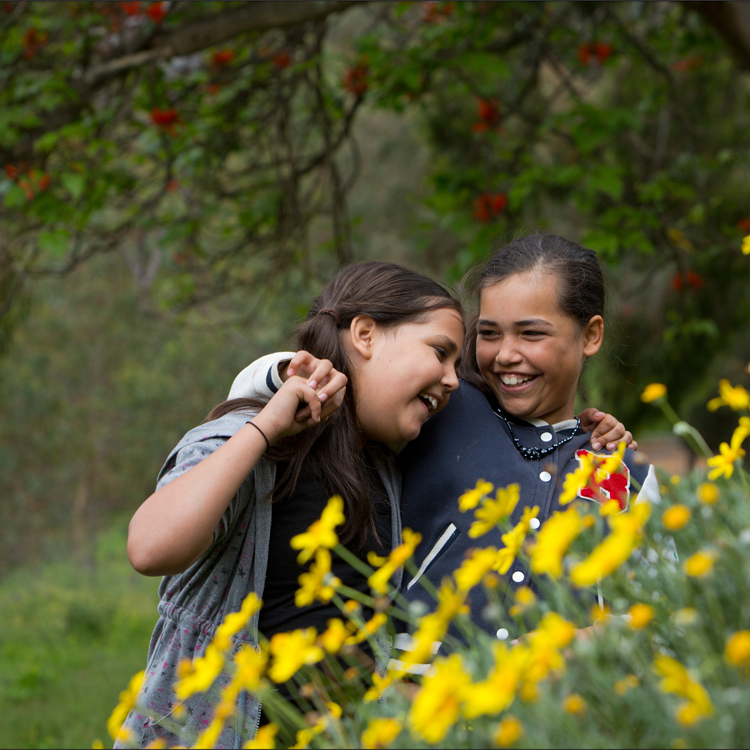
More information For more information regarding the Respiratory Symposium, please contact Dr Hannah Moore.
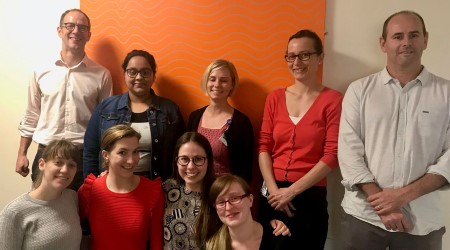
Clinical Professor Tobias Strunk, Dr Andrew Currie and their Neonatal Infection and Immunity Team have become the newest members of the Wesfarmers Centre of Vaccines and Infectious Diseases.
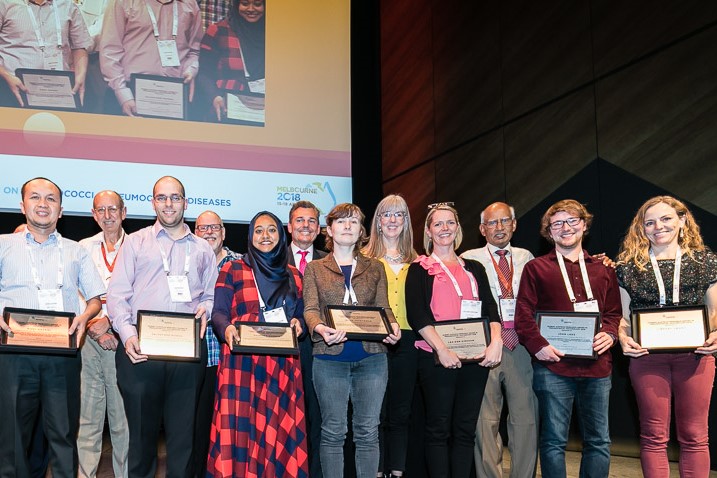
Congratulations to Dr Lea-Ann Kirkham - one of just 10 recipients from around the world to receive a prestigious Robert Austrian Award at the International Symposium on Pneumococci and Pneumococcal Diseases.
How protective is the whooping cough vaccine? Vaccination and allergy Even though Australia has high vaccination rates against whooping cough, we
Find out more about the scholarship opportunities at the Wesfarmers Centre, including Training Scholarships and Higher Degree by Research Scholarships.
The Wesfarmers Centre is pleased to announce the successful recipients for the 2018 Round 2 Seed Funding Grants. The Wesfarmers Centre Scientific
The Wesfarmers Centre is pleased to announce the successful applications for the 2018 Round 1 Wesfarmers Centre Seed Funding. The Wesfarmers Centre
The Wesfarmers Centre is pleased to announce the 4 successful applications for the 2016 Round 1 Wesfarmers Centre Seed Funding.
Wesfarmers Centre of Vaccines & Infectious Diseases resources