
Search
Bright Blue The Police Commissioner's Fund for Sick Kids has generously outfitted the The Kids brain tumour lab with a cancer analysis suite.

Making FASD History inspires the rest of the world to follow suit.
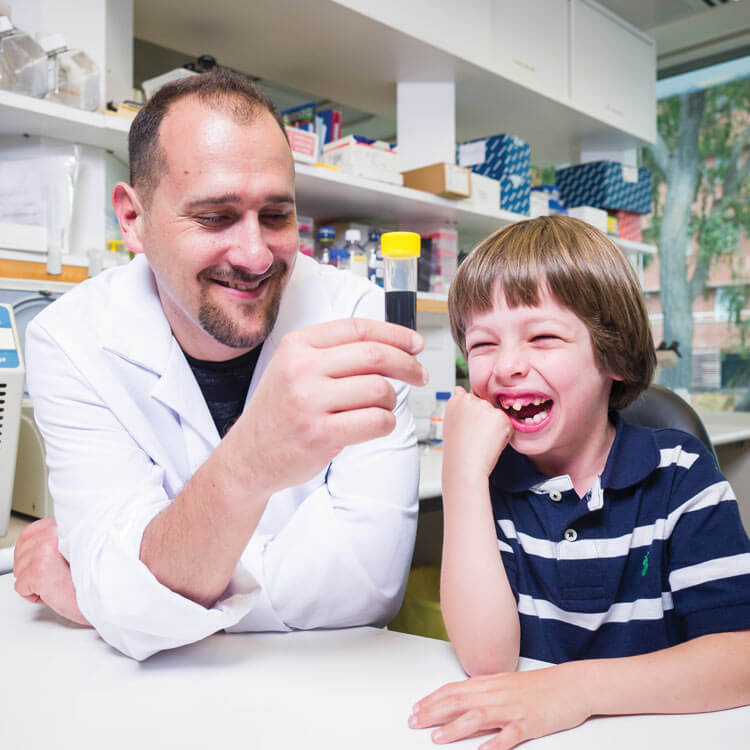
Thanks to an enabling donation from the Stan Perron Charitable Foundation, The Kids Research Institute Australia is home to one of the first paediatric personalised medicine research centres in the world.

In anticipation of moving to our new home within the Perth Children’s Hospital, The Kids would like to thank both the State and Federal governments for fun
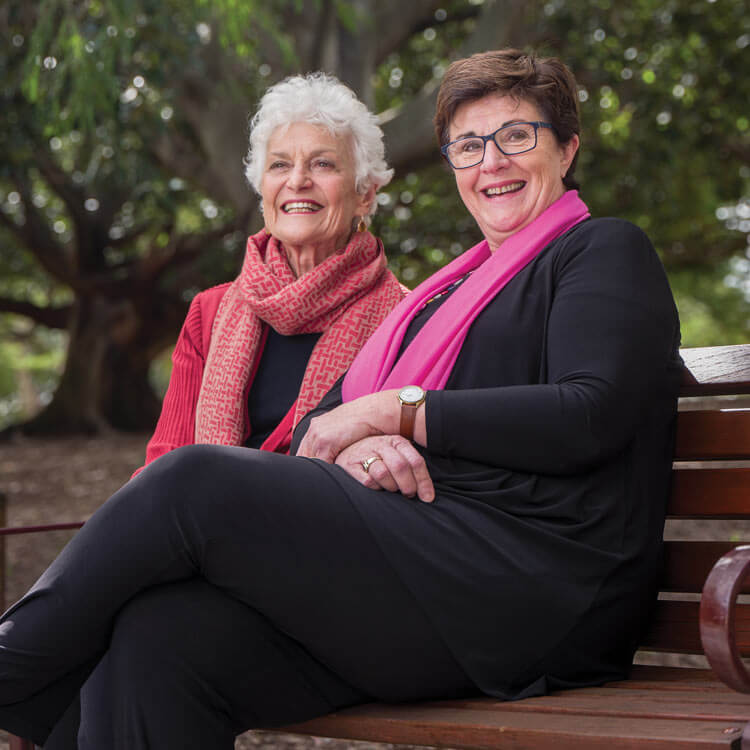
The legacy of beloved parenting author and educator Maggie Dent is set to live on well beyond her lifetime.
Young men are treating gambling losses as the cost of maintaining friendships and betting is being normalised in the school yard, according to new research.
The COVID-19 pandemic has led to far-reaching disruptions to health systems, including preventative and curative services for malaria. The aim of this study was to estimate the magnitude of disruptions in malaria case management in sub-Saharan Africa and their impact on malaria burden during the COVID-19 pandemic. We used survey data collected by the World Health Organization, in which individual country stakeholders reported on the extent of disruptions to malaria diagnosis and treatment.
Regular intramuscular benzathine penicillin G injections have been the cornerstone of rheumatic heart disease (RHD) secondary prophylaxis since the 1950s. As the pharmacological correlate of protection remains unknown, it is difficult to recommend changes to this established regimen. Determining the minimum effective penicillin exposure required to prevent Streptococcus pyogenes infection will accelerate development of new long-acting penicillins for RHD prevention as well as inform opportunities to improve existing regimens. The CHIPS trial will address this knowledge gap by directly testing protection afforded by different steady state plasma concentrations of penicillin in an established model of experimental human S. pyogenes pharyngitis.
Antimicrobials are the most commonly prescribed drug class in children. Overuse through inappropriate prescribing is a key driver of antimicrobial resistance and is recognized as one of the top 10 threats to global health by the World Health Organization.
Acute rheumatic fever and rheumatic heart disease disproportionately affect Aboriginal and Torres Strait Islander people in Australia, with devastating impacts on morbidity, mortality and community wellbeing. Research suggests that general practitioners and primary care staff perceive insurmountable barriers to improving clinical outcomes, including the need for systemic change outside their scope of practice.