
Search
Antimicrobial resistance (AMR) is a global healthcare emergency, directly causing 1.3 million deaths per year and predicted to increase dramatically over the coming decades. Understanding the molecular mechanisms underpinning antibiotic resistance is central to approaches for AMR surveillance and diagnosis in a clinical laboratory.
This study described the rehabilitation services accessed by children with stroke following acute admission to two Australian paediatric tertiary hospitals prior to the implementation of clinical practice guidelines. It also evaluated quality-of-care indicators for inpatient rehabilitation within these two settings.
Studies of traditional Indigenous compared to 'Western' gut microbiomes are underrepresented, and lacking in young children, limiting knowledge of early-life microbiomes in different cultural contexts. Here we analyze the gut metagenomes of 50 Indigenous Australian infants (median age <one year) living remotely with variable access to Western foods, compared to age- and sex-matched non-Indigenous infants living in urban Australia.
Altered drive to socially engage is a transdiagnostic feature across multiple psychopathologies. Yet, lack of clarity regarding specific processes that constitute social drive, along with insufficient measurement methods, has hindered understanding in this area. This study ascertained the feasibility of approximating difficulties within specific fine-grained social drive processes as proposed by 2 theoretical frameworks: “orienting,” “wanting,” “pursuing,” “liking,” “learning,” and “reticence” within a reward processing framework and “orienting,” “seeking and maintaining,” and “liking” within a social motivation framework.
Behavioural sleep problems are common in children. The challenges with establishing and maintaining good sleep hygiene may prove challenging to overcome based on environmental issues such as the liberal availability of electronic media from a young age, permissive parenting, difficult family dynamics and limited parental/carer understanding of a child's sleep needs as they progress through childhood and adolescence.
Cardiovascular diseases (CVDs) are the leading cause of mortality and are among the foremost causes of disability globally. CVD burden has continued to increase in most countries since 1990, with trends driven by changing exposures to harmful risk factors, population growth, and population aging.
Dissociation is often distressing, yet how affected adolescents manage dissociation in their daily lives is not well understood. This study aimed to describe the strategies adolescents use to manage dissociative symptoms from the perspective of adolescents themselves, their parents, and their clinicians.
According to the Young Minds Matter study, mental health disorders such as anxiety and depression are experienced by approximately one in seven or 560,000 young people in Australia. These disorders can often have a significant impact on children’s learning and development and on family life.
Immunisation is the most effective way of protecting your child against a range of serious illnesses, including measles, hepatitis B and whooping cough. All vaccines used in Australia undergo stringent testing and ongoing monitoring.
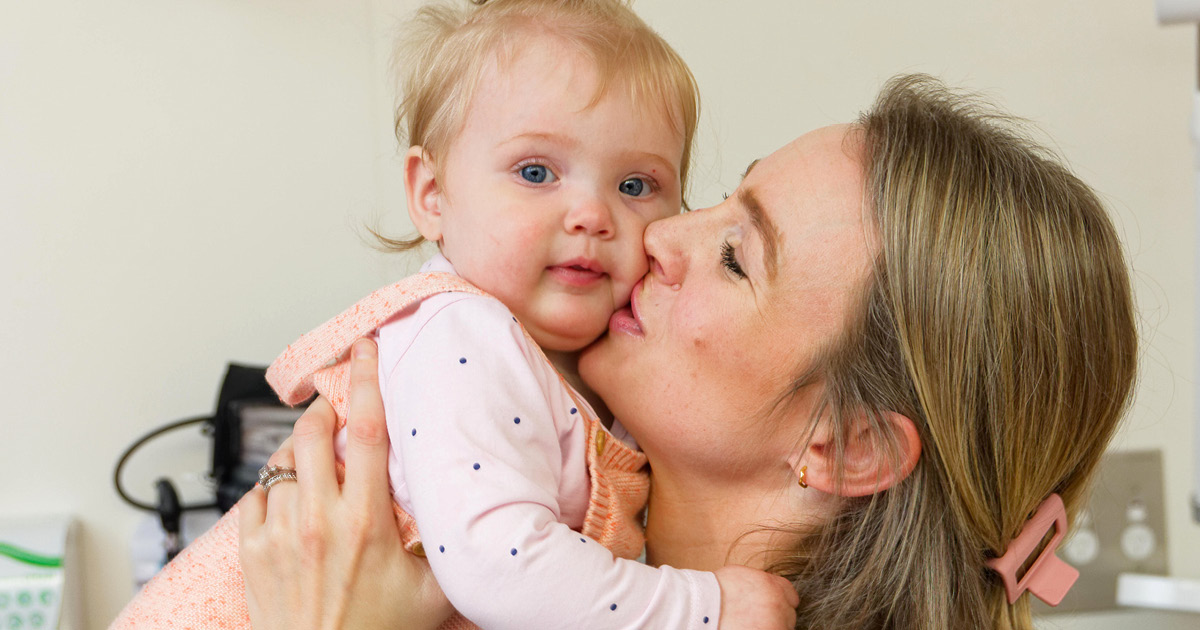
Prevention of respiratory syncytial virus (RSV) is now a real possibility thanks to the rollout of an immunisation program backed by a decade’s worth of epidemiological research led by The Kids Research Institute Australia.