
Search
Stigma towards individuals with mental health concerns is a global issue, including among young people at ultra-high risk (UHR) for psychosis. This study compared two written anti-stigma resources: (a) Education and (b) Lived Experience + Education, among young adults and parents/caregivers.
Low vitamin D intake and prevalence of serum 25-hydroxyvitamin D concentration <50 nmol/L among Aboriginal and Torres Strait Islander peoples highlight a need for public health strategies to improve vitamin D status. Since few foods contain naturally occurring vitamin D, food fortification could be a suitable strategy. We aimed to model vitamin D food fortification scenarios among Aboriginal and Torres Strait Islander peoples.
Parental severe mental illnesses (SMIs), including schizophrenia, bipolar disorder, and major depressive disorder (MDD), can impact children's well-being, yet existing meta-analyses are limited in scope and methodology and do not comprehensively assess cognitive and academic performance in offspring across SMIs.
Many approved oral paediatric medicines continue to have poor taste acceptance, suggesting that the ingredient blends employed in these medicines are not adequately effective in taste-masking drugs with strongly aversive tastes. To address this inadequacy, this narrative review provides a comparative evaluation of taste-masking ingredients used by the pharmaceutical industry with those employed in the food industry, as well as food items used by caregivers to mask the unpalatable taste of medicines for young children.
Digital interventions have emerged as promising tools to support mental well-being in diabetes. This review aimed to evaluate the effectiveness of digital health interventions in improving mental health outcomes among adults with diabetes, as well as assess the methodological quality of relevant studies and provide a commentary on research gaps and future directions.
Citation: MacDonald B, Burmaz M, Baker S, et al. TrialR: critical enablers and the need for reusable Rare Disease Clinical Trial infrastructure in
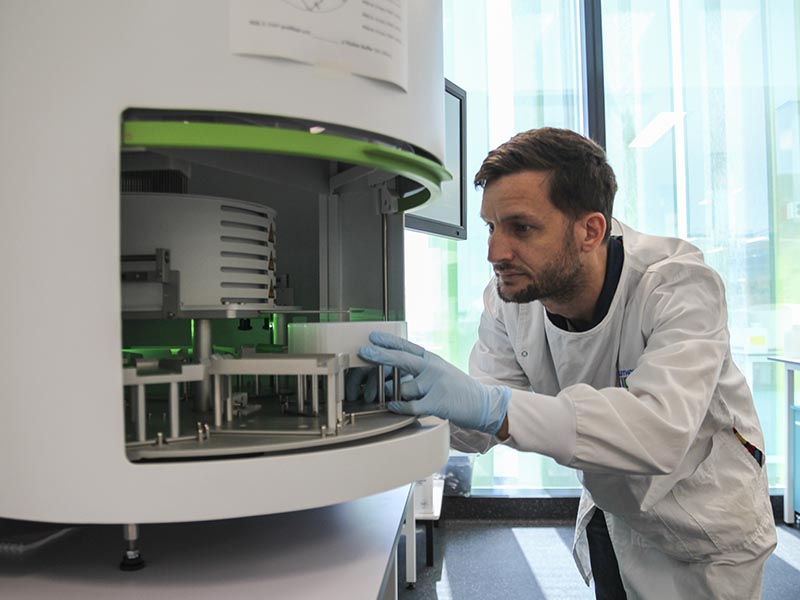
BioSpecs is a flexible service that supports laboratory research by providing expert technical assistance in pre-analytical sample processing and nucleic acid extractions.
The following maps provide a visual insight into how the number and rate of Indigenous suicides varies across different regions of Australia.
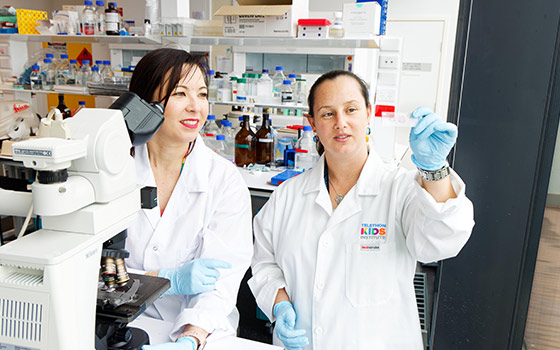
Most laboratory equipment at The Kids Research Institute Australia is owned and maintained by the Institute, in order to make this available for use by all staff and students.
This was a five year grant from the NHMRC to build research capacity in ten Aboriginal researchers