
Search
Understand how bronchopulmonary dysplasia (BPD) and antenatal and postnatal factors influence diaphragmatic functional effectiveness in very preterm infants.
Adolescents living with type 1 diabetes (T1D) are faced with unique challenges to nutrition management. The current Perth Children's Hospital (PCH) T1D management model includes individualised education at diagnosis and annual reviews. Currently, no group education is provided to develop self-management skills for healthy meal preparation. Teaching Kitchens offers a skills-based program in food literacy and nutrition. This feasibility study explored if a Teaching Kitchens program at PCH engaged adolescents aged between 13 and 17 years, living with T1D.
The pivotal phase 3 EPITOPE trial, a 12-month, double-blind, placebo-controlled study of epicutaneous immunotherapy with the VIASKIN patch containing 250 μg of peanut protein (VP250), previously reported significant treatment response versus placebo in peanut-allergic toddlers aged 1 through 3 years.
No validated oral health-related quality of life (OHRQOL) instrument currently exists for those with severe intellectual and developmental disabilities and who communicate non-verbally. This qualitative study aimed to explore the domains that were important to the oral health-related quality of life in individuals with Rett syndrome.
A MenABCWY vaccine containing 4CMenB and MenACWY-CRM vaccine components has been developed to protect against the 5 meningococcal serogroups that cause most invasive disease cases.
Participation in sport is associated with a range of physical, psychological, and social benefits. However, children in out-of-home care face complex barriers to sport participation, with lower participation rates than children in other household arrangements.
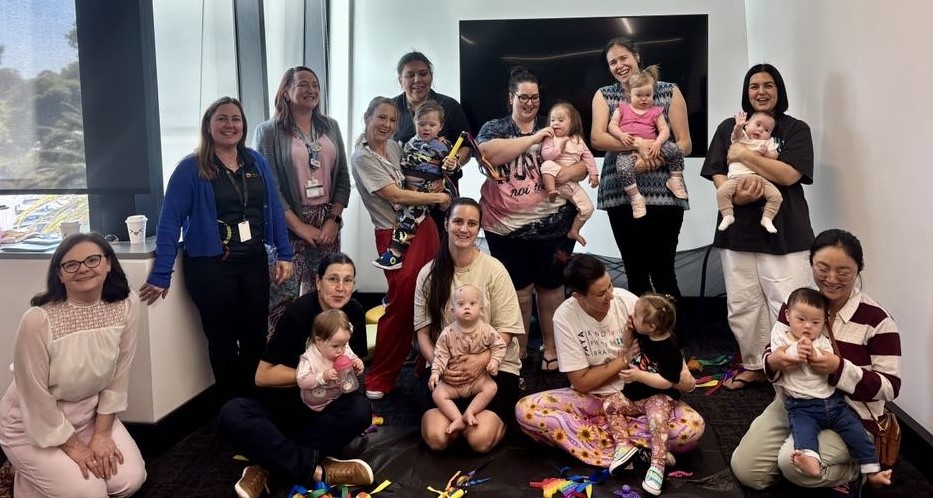
Researchers from the Wesfarmers Centre of Vaccines and Infectious Diseases, based at The Kids Research Institute Australia, are partnering with Down Syndrome WA to learn more about how respiratory syncytial virus, or RSV, affects children with increased medical vulnerability.
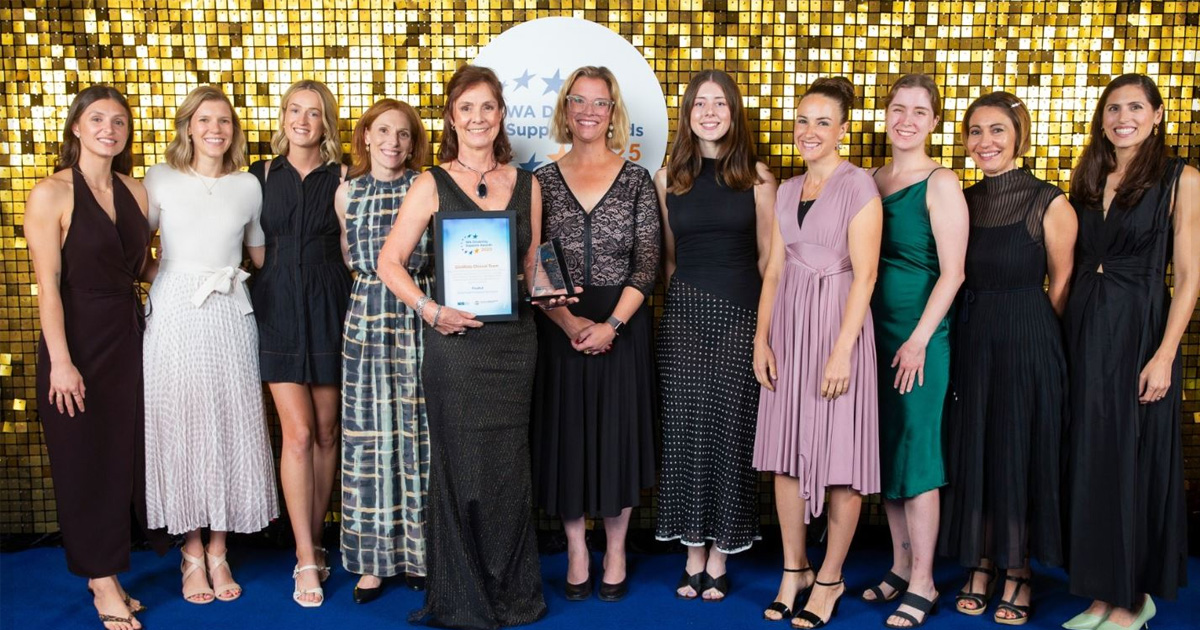
CliniKids has won the Allied Health Professionals category at the Western Australian Disability Support Awards, announced at Crown Perth on the weekend.
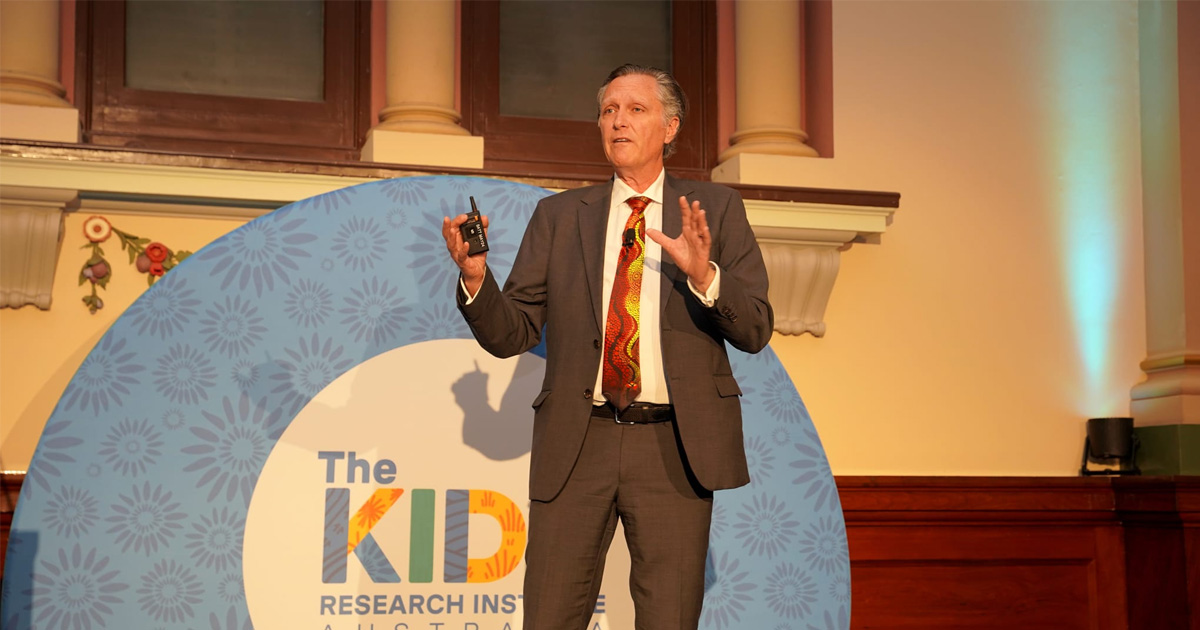
Last night, almost 60 supporters gathered at Adelaide Town Hall for the inaugural The Kids Research Institute Australia Adelaide Lecture, Not Just a Sore Throat: The Race to Stop One of the Deadliest Bugs on the Planet.

An Early-Stage Type 1 Diabetes (T1D) Clinic aims to revolutionise diabetes care and support families navigating the beginning of an early-stage T1D diagnosis.