
Search

Head, Strep A Translation; Co-Founder of REACH
As Head of Aboriginal Research Development at Telethon Kids, Glenn Pearson believes his work brings us closer to identifying the real and whole Australian story
Latest news & events at the Wesfarmers Centre of Vaccines & Infectious Diseases.

Clinical Professor Tobias Strunk, Dr Andrew Currie and their Neonatal Infection and Immunity Team have become the newest members of the Wesfarmers Centre of Vaccines and Infectious Diseases.
Intramuscular (IM) injection of benzathine benzylpenicillin G (BPG) forms the cornerstone of acute rheumatic fever (ARF) and rheumatic heart disease (RHD) secondary prophylaxis. BPG is available as either a low-cost powdered formulation or a costlier pre-filled suspension. Most of the global RHD burden lies in low- and middle-income countries, which rely on the powdered formulation.
Group A Streptococcal (GAS) pharyngitis is an important precursor infection to severe complications including rheumatic fever and invasive GAS. Rapid molecular point of care testing (POCT) for GAS infection has advantages over traditional microbiological culture, especially in settings with limited or absent laboratory infrastructure and where GAS complications predominate.
Rheumatic heart disease, a major cause of morbidity and mortality in low- and middle-income countries, results from acute rheumatic fever (ARF), for which no diagnostic test currently exists. The ARF Diagnosis Collaborative Network (ARC Network) was established to address this gap by recruiting a rigorously phenotyped, globally representative cohort of children and adolescents with ARF and controls to support biomarker discovery.
This article documents the establishment of community laundries in rural/remote Aboriginal and Torres Strait Islander communities between 2000-2024, with the aim to support synergistic planning, implementation and evaluation.
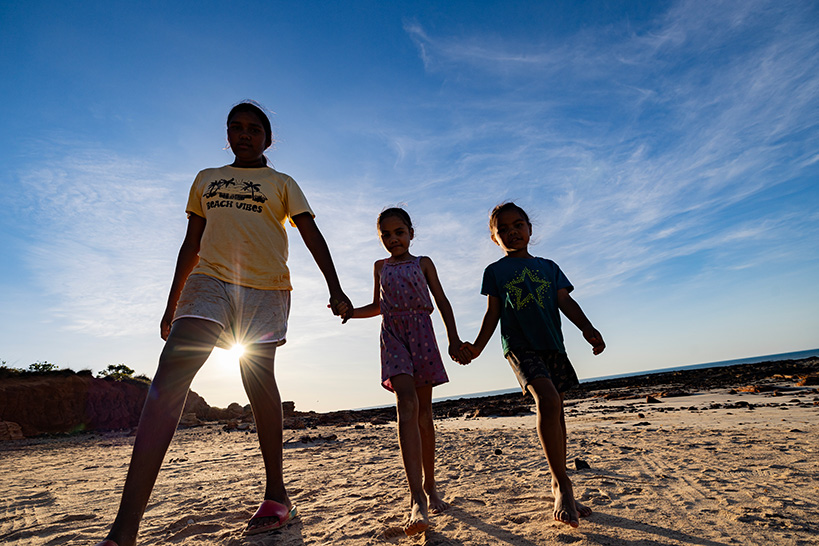
Aboriginal health is everyone's business. The needs of Aboriginal and Torres Strait Islander families and kids is integrated into all relevant areas of our work. Improving the health and wellbeing of Aboriginal and Torres Strait Islander kids and families is an overarching priority for every team at The Kids.
Environmental factors including household crowding and inadequate washing facilities underpin recurrent streptococcal infections in childhood that cause acute rheumatic fever (ARF) and subsequent rheumatic heart disease (RHD).