
Search
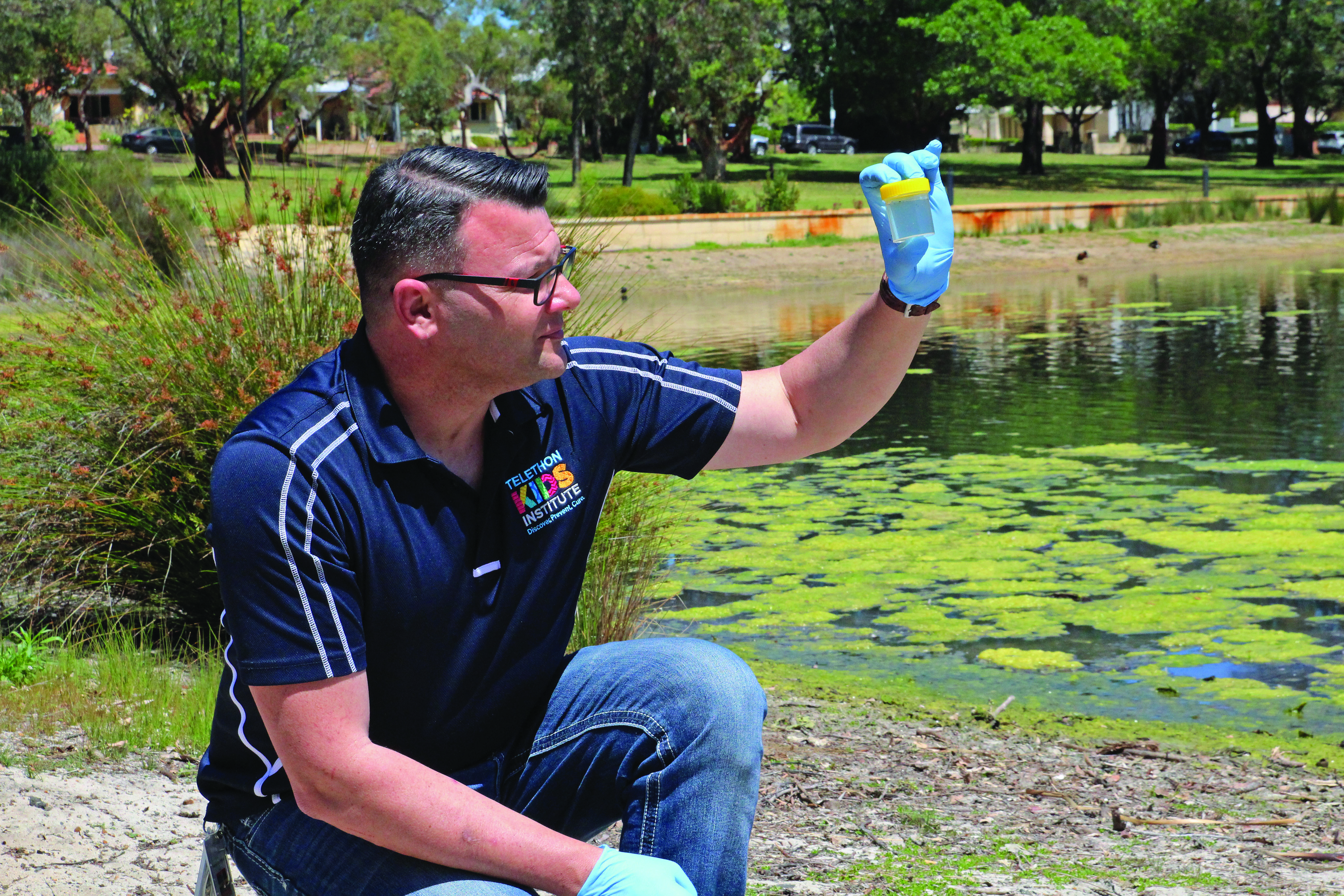
Perth researchers discovered a naturally occurring virus living in the city’s waterways that could potentially fight antibiotic-resistant superbugs.

A song written by kids in Barunga as part of the END RHD Communities Project is helping prevent the spread of infections that cause rheumatic heart disease in remote Aboriginal Communities.
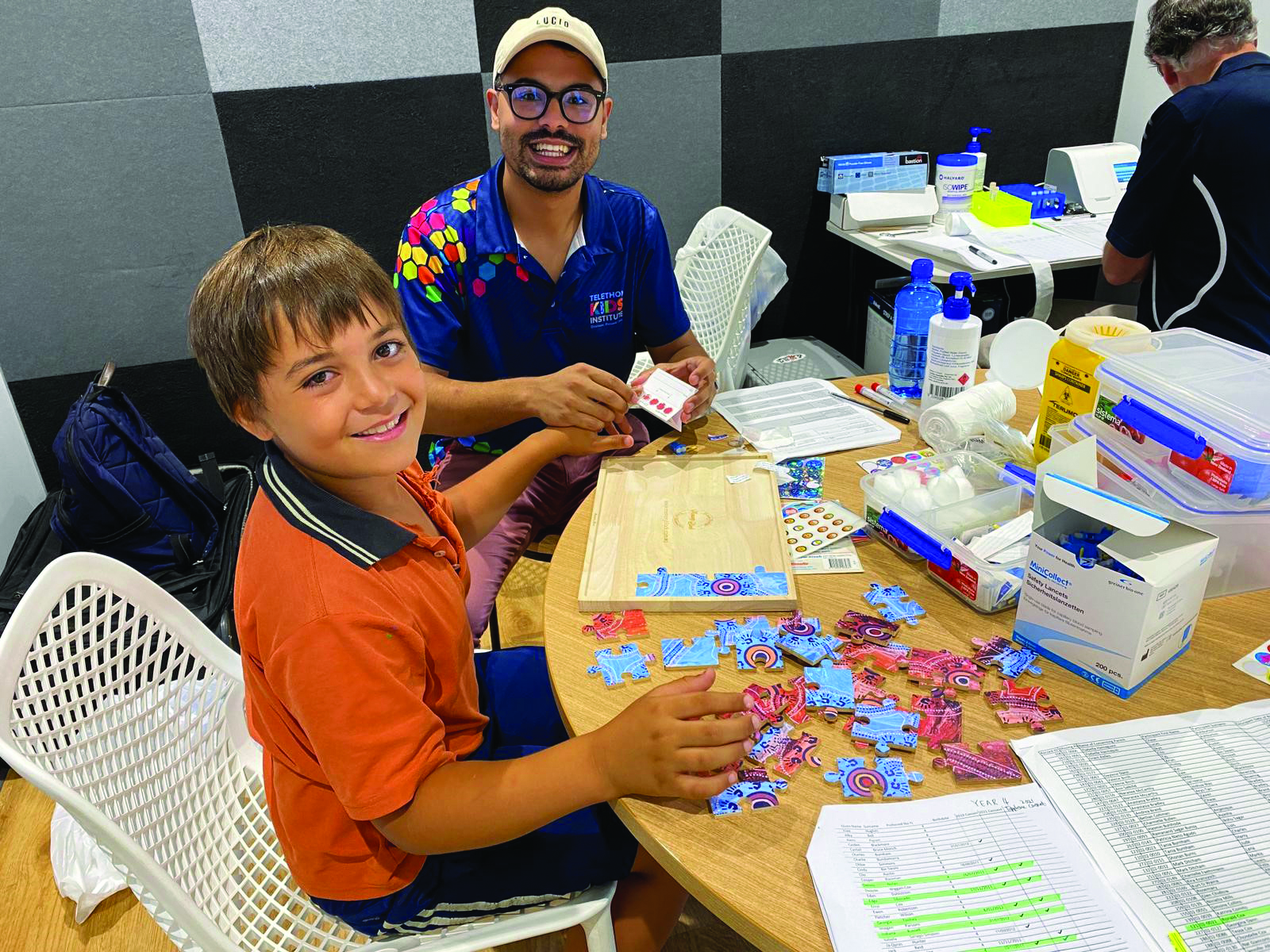
Thanks to research, a six -second test can get the answers that could save a child’s life.

Supporting parents of trans and gender diverse kids.
About 2 per cent of children are estimated to have an intellectual disability. The cause of the condition is unknown in at least 50 per cent of cases.
A severe neurodevelopmental disorder mostly affecting girls.
Despite the various traumatic events that a young person living with type 1 diabetes (T1D) may experience, little is known about the burden and manifestation of traumatic stress in this population. Though mental health outcomes have been explored generally, medical trauma-sensitive approaches to understanding these experiences remain limited. We utilised a qualitative descriptive approach to explore the impact of T1D on young people’s mental health through the paediatric medical traumatic stress model.
Asymptomatic carriage of Streptococcus pyogenes (Strep A) may contribute to transmission, yet its role remains poorly understood and evidence on optimal detection methods is limited. While self-collected throat swabs are used in infectious disease surveillance, their value for identifying asymptomatic Strep A carriage in adults is uncertain. This pilot prospective cohort study, conducted at a Perth medical research institute between August and October 2024, assessed feasibility and acceptability of self-collection, with sensitivity as a secondary objective.
Non-coercive 'nudge' interventions have shown the potential to promote health behaviours. This study aimed to evaluate the impact of nudge interventions on COVID-19/influenza vaccine uptake among children with medically at-risk conditions.
Efforts to promote adolescent wellbeing are of increasing global interest. Although the ability to measure wellbeing is essential for identifying disparities between and within populations, and for tracking progress in improving wellbeing, the best way to measure this elusive concept in adolescents is unclear.