
Search
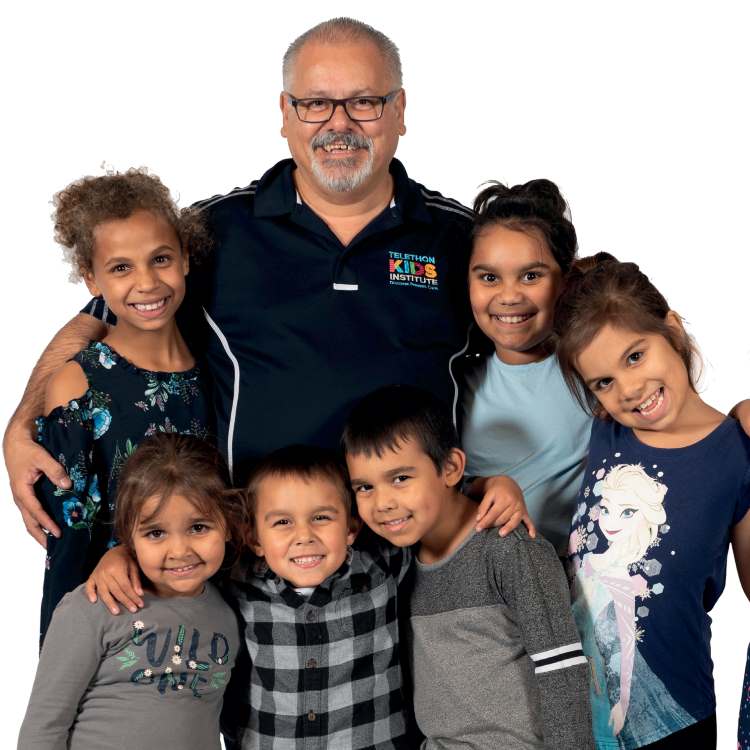
Led by nine Elders, the Ngulluk Koolunga Ngulluk Koort Project is working to generate a better understanding of early childhood development from an Aboriginal/Nyoongar perspective.
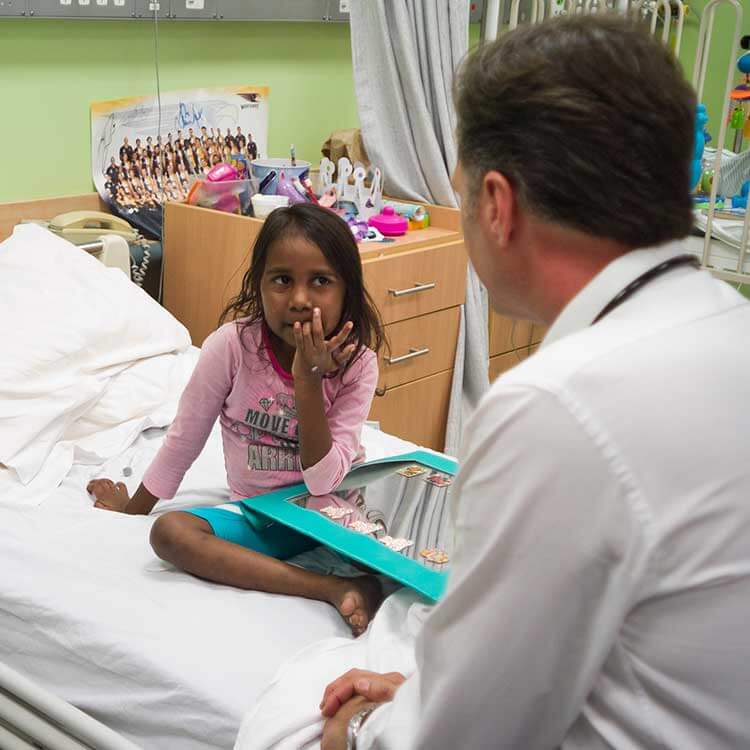
Some of the nation’s leading medical researchers will converge on Darwin this week to step out a plan to wipe out rheumatic heart disease.
This study aimed to map the national, regional and local prevalence of hypertension and diabetes in Ethiopia.
The burden of bronchiectasis is disproportionately high in Aboriginal adults, with early mortality. Bronchiectasis precursors, that is, protracted bacterial bronchitis and chronic suppurative lung disease, often commence in early childhood.
There is scant literature about the management of stillbirth and the subsequent risk of severe maternal morbidity (SMM). We aimed to assess the risk of SMM associated with stillbirths compared with live births and whether this differed by the presence of maternal comorbidities.
Previous studies have shown that national cultural traits, such as collectivism–individualism and tightness–looseness, are associated with COVID-19 infection and mortality rates.
To describe the comprehensive clinical paediatric assessment of a representative sample of children and adolescents (young people) sentenced to detention in Western Australia (WA) and participating in the first Fetal Alcohol Spectrum Disorder (FASD) prevalence study.
The prevalence of stillbirth in many high income countries like Australia has remained unchanged for over 30 years. The 2018 Australian government Senate Select Committee on Stillbirth Research and Education highlighted the need for a public health campaign to encourage public conversations and increase awareness.
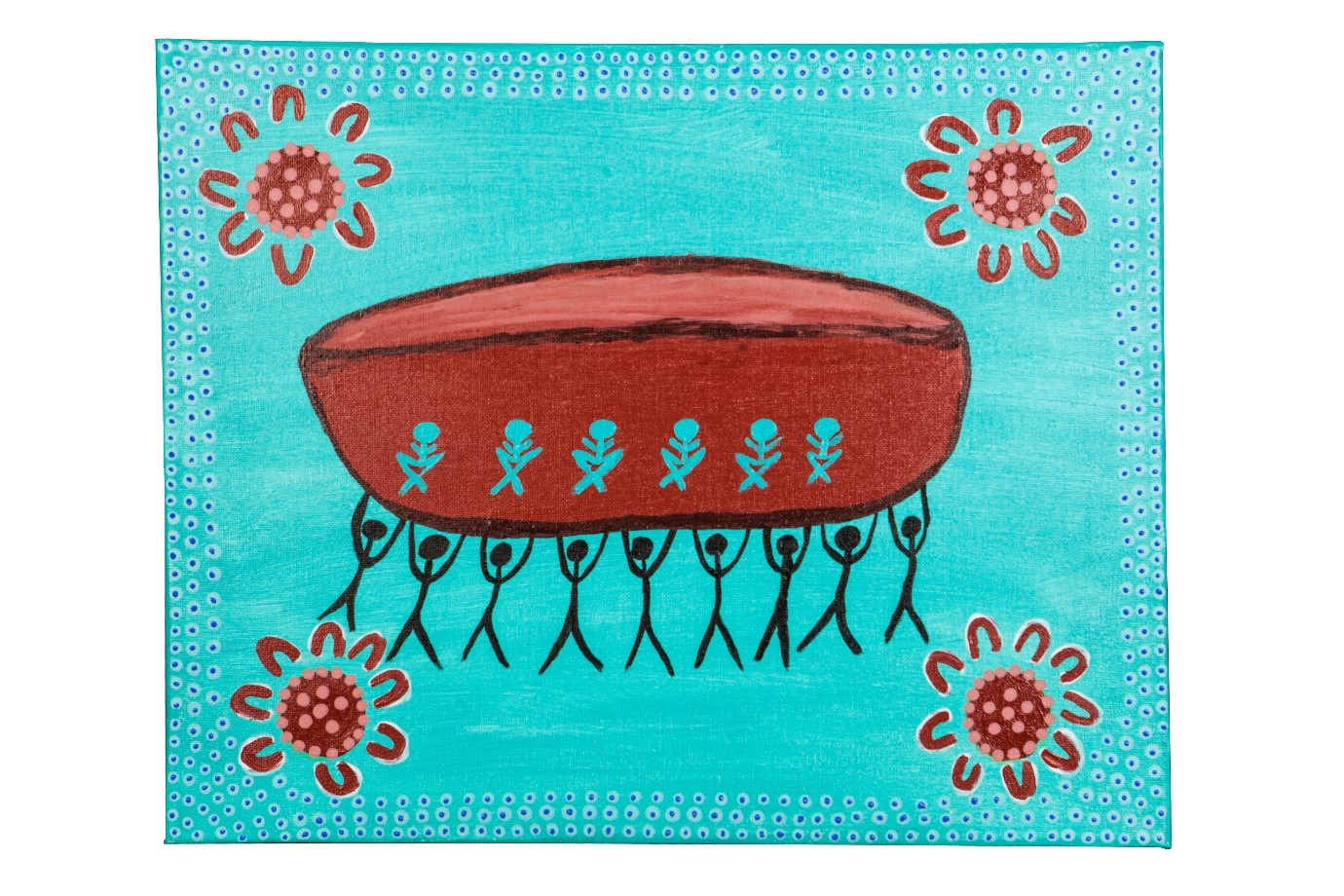
Brings the Aboriginal community(s) of Perth together with service providers & policy makers to improve outcomes for Aboriginal kids and their families.
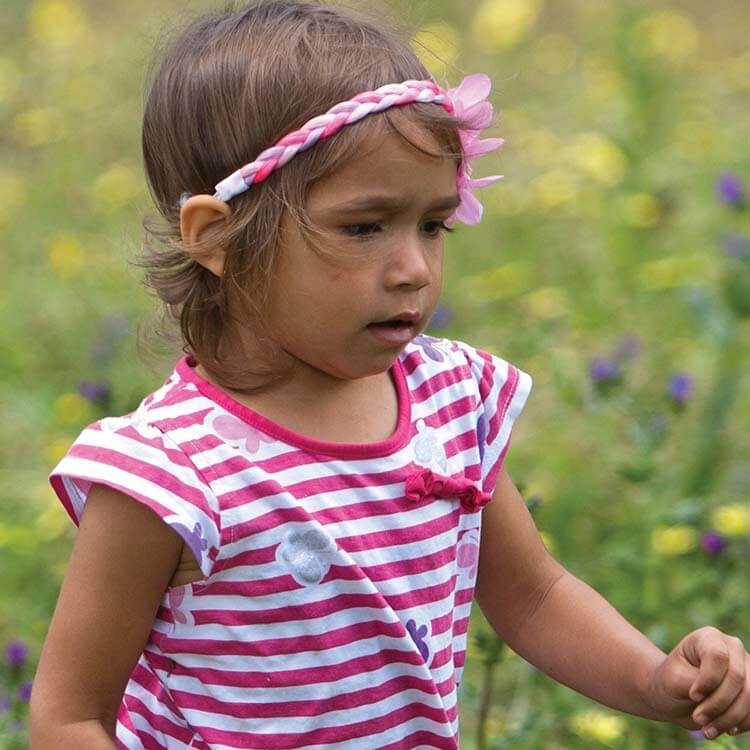
The Aboriginal Health and Wellbeing Team follows an holistic definition of Aboriginal Health which means that health is not just the physical wellbeing of an individual but includes the social, emotional and cultural wellbeing of the whole community.