
Search
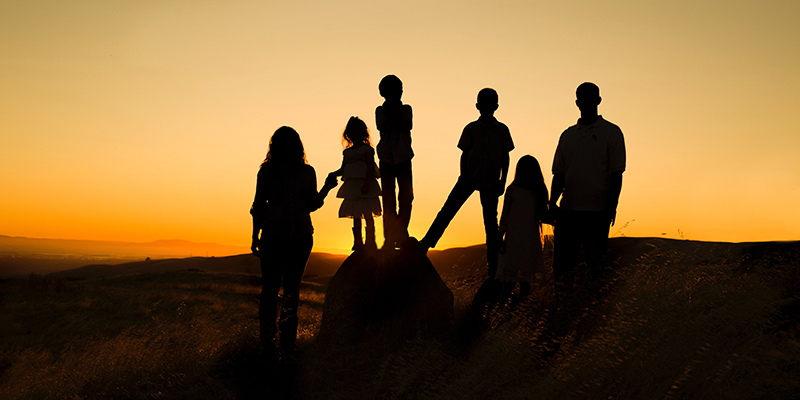
Bushfires can have a considerable impact on our physical and mental health, with some symptoms lasting long after the blaze is extinguished. And our children are amongst the most vulnerable.
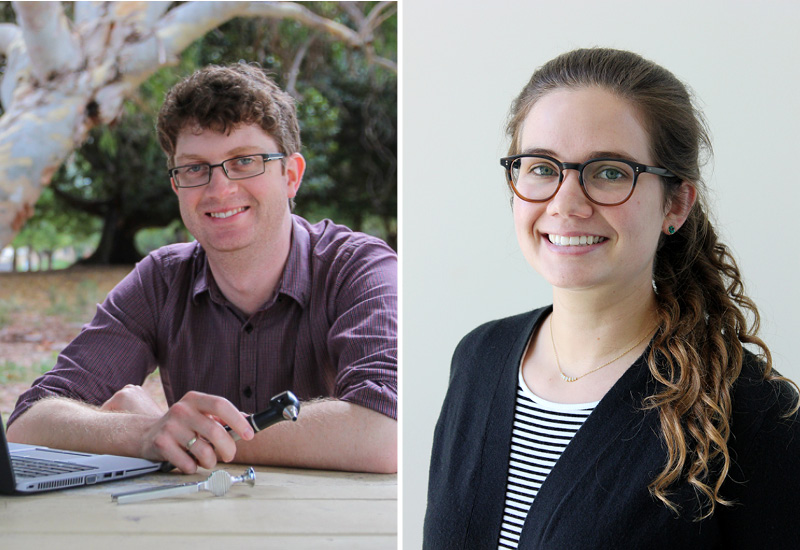
Two The Kids Research Institute Australia researchers have been named as finalists in the 2020 Western Australian Premier’s Science Awards.
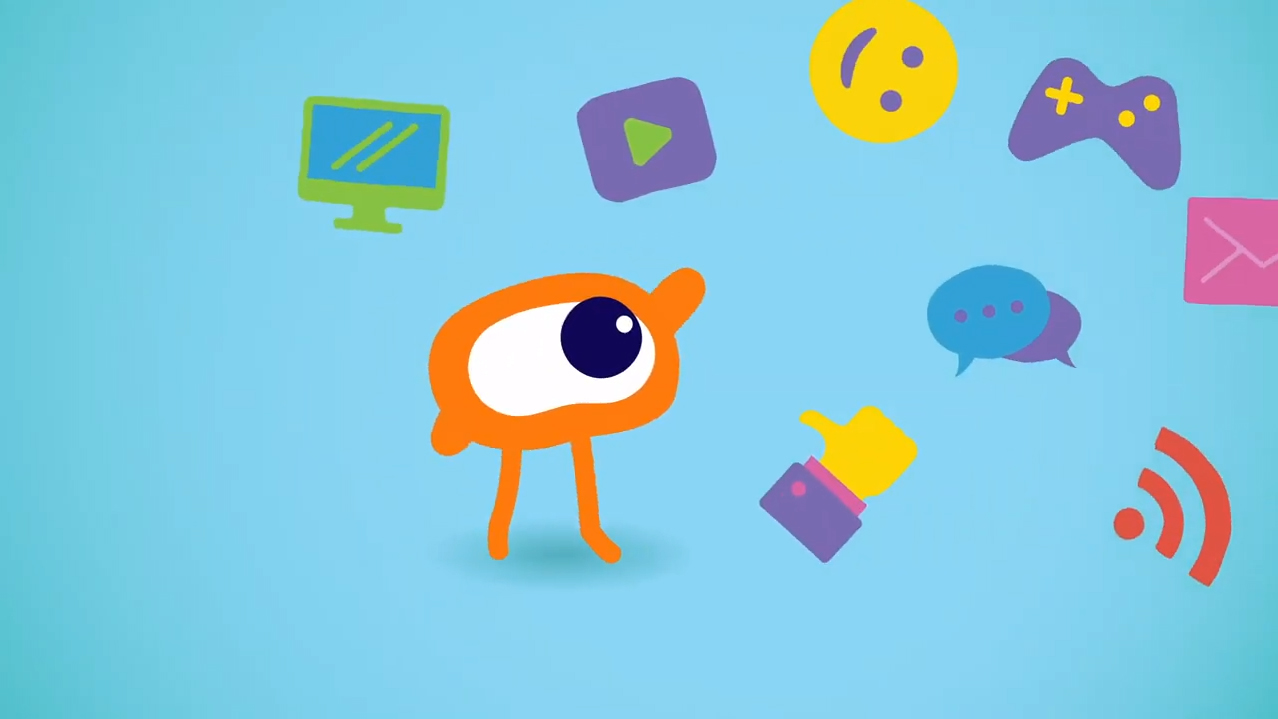
Australian parents have a new weapon in the battle to keep their kids safe online with the launch of ‘Beacon’.

An audit of outdoor food advertising near Perth schools has found that three-quarters of the promotions were for junk food and alcohol.
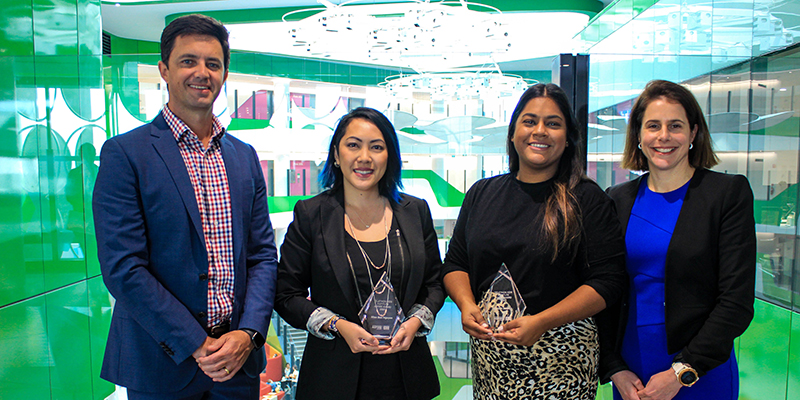
Two of The Kids Research Institute Australia’s best and brightest will share in $10,000 of funding to use for investment in their professional growth through attendance at an international conference, when safe to do so.
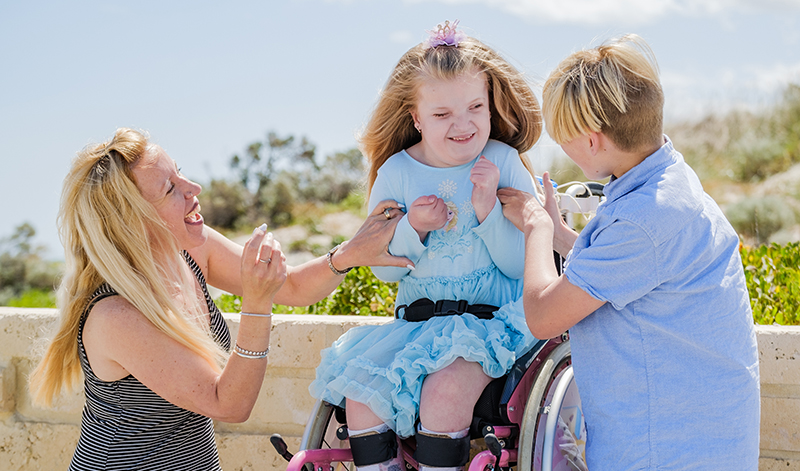
In WA, 60,000 kids live with a rare disease, and of those about half do not have a diagnosis. At The Kids, researchers are leading the charge in developing a method to identify genetic variations, so that kids like Charlotte can get answers.
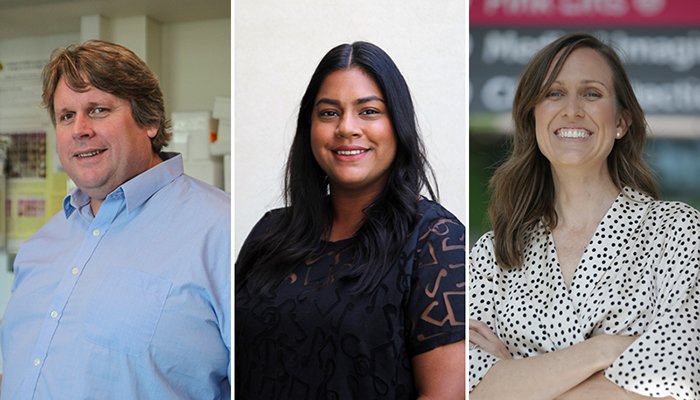
The Kids Research Institute Australia researchers have been awarded 12 of 16 grants under the latest round of funding from the WA Child Research Fund
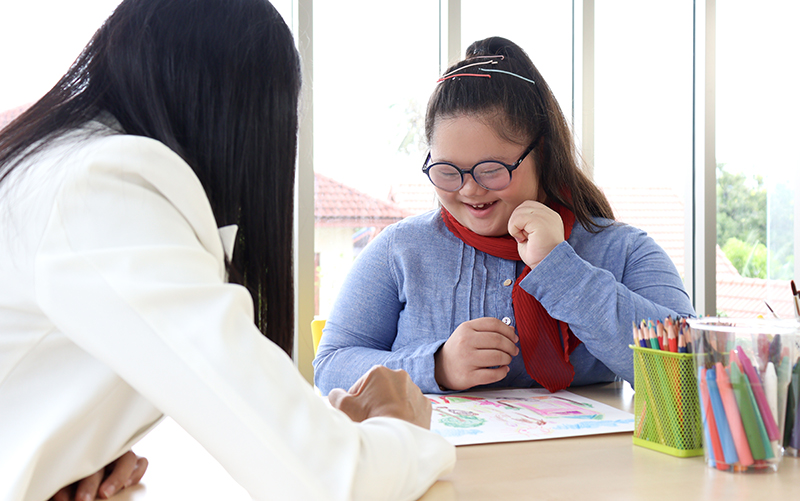
The Kids Research Institute Australia researchers have called for a greater focus on creating opportunities for children with disability to participate in the community, after finding a clear link between participation and better quality of life.
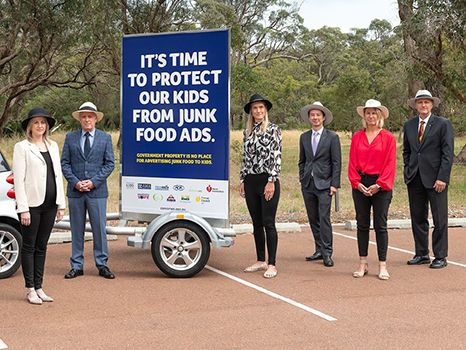
WA’s leading health agencies have joined forces to call on the State Government to immediately end junk food advertising on government property.
A The Kids Research Institute Australia researcher will map every food business and school in Perth to investigate the influence of the food environment on children’s food intake and health.