
Search
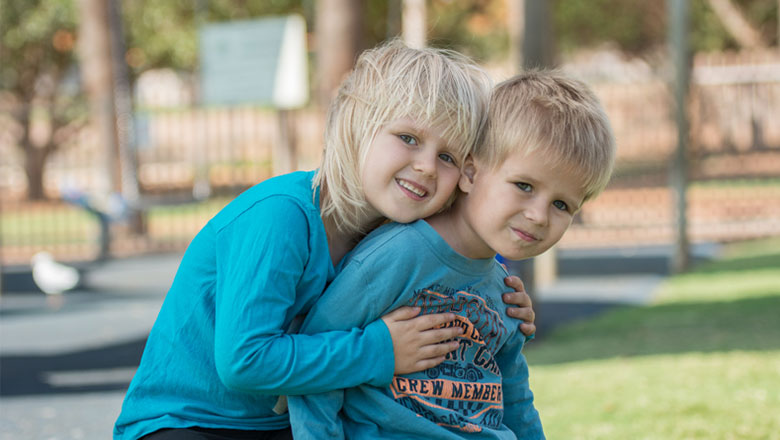
The national report released today from the Australian Early Development Census (AEDC) shows that in 2015, most children in Australia were on track.
Yasmin Harman-Smith BA, BHlthSc(Hons), MTeach(Primary), PhD Head, Early Years Systems Evidence Yasmin.harman-smith@thekids.org.au Head, Early Years
Yasmin Harman-Smith BA, BHlthSc(Hons), MTeach(Primary), PhD Head, Early Years Systems Evidence Yasmin.harman-smith@thekids.org.au Head, Early Years
The Government of Uzbekistan has committed to reforming preschool education, prioritising upskilling teachers to use international best practice.
Recent evidence indicates that a child’s home learning environment is the strongest predictor of success in later reading abilities and that for children not receiving structured language and reading support at home.
Yasmin Harman-Smith BA, BHlthSc(Hons), MTeach(Primary), PhD Head, Early Years Systems Evidence Yasmin.harman-smith@thekids.org.au Head, Early Years
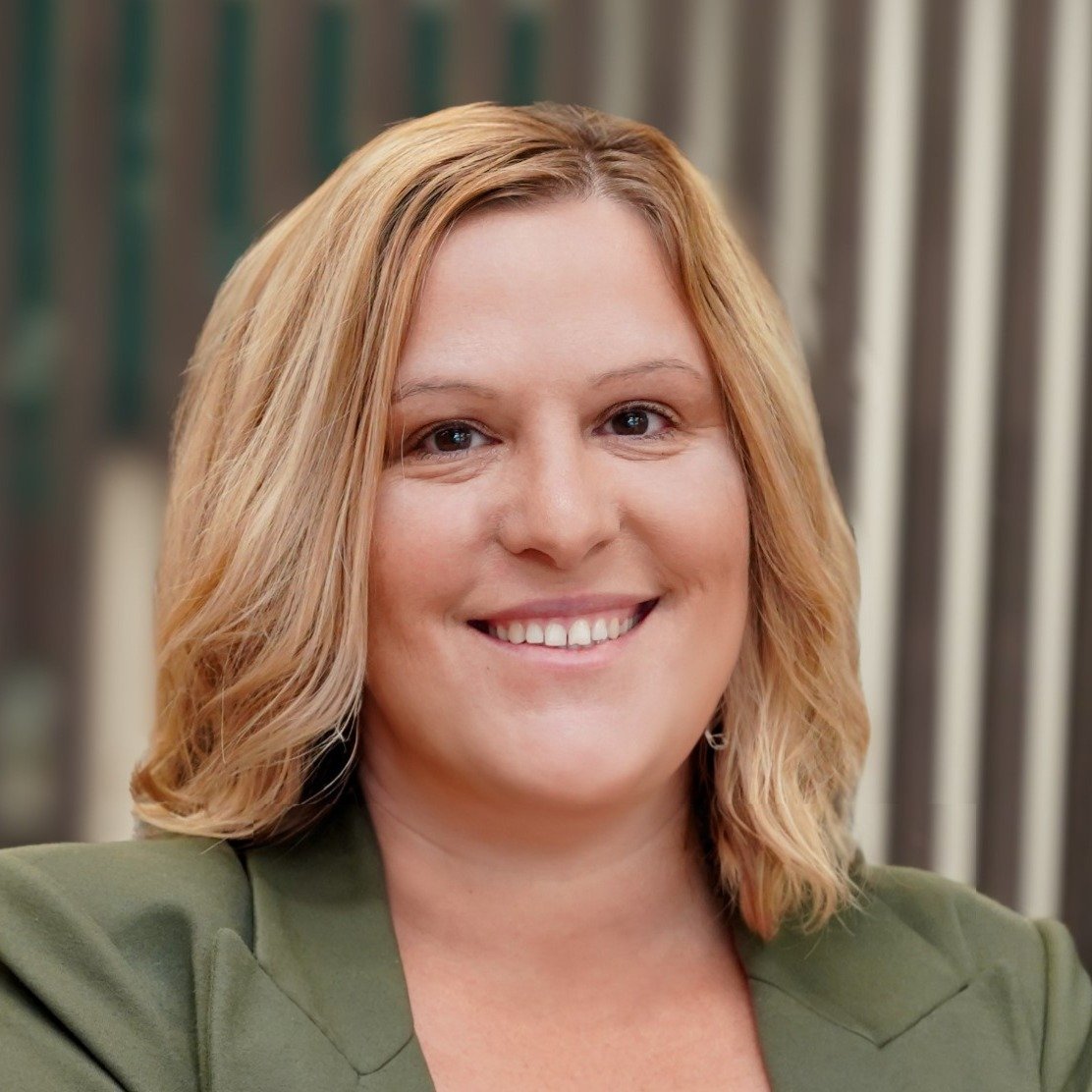
Head, Early Years Systems Evidence
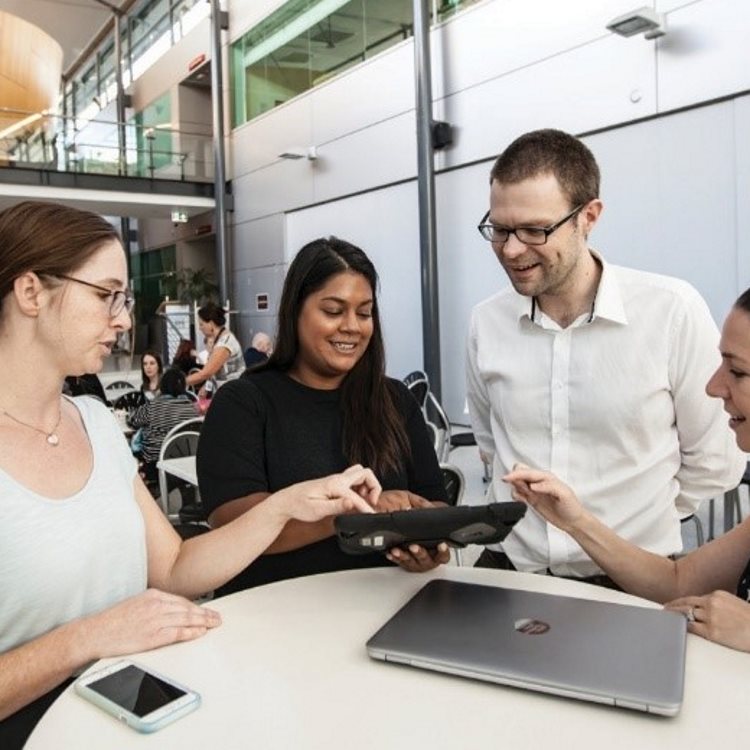
Researchers at The Kids are harnessing the power of apps and other online tools to ensure the results of their research reach those who need it most – children, young people and families.
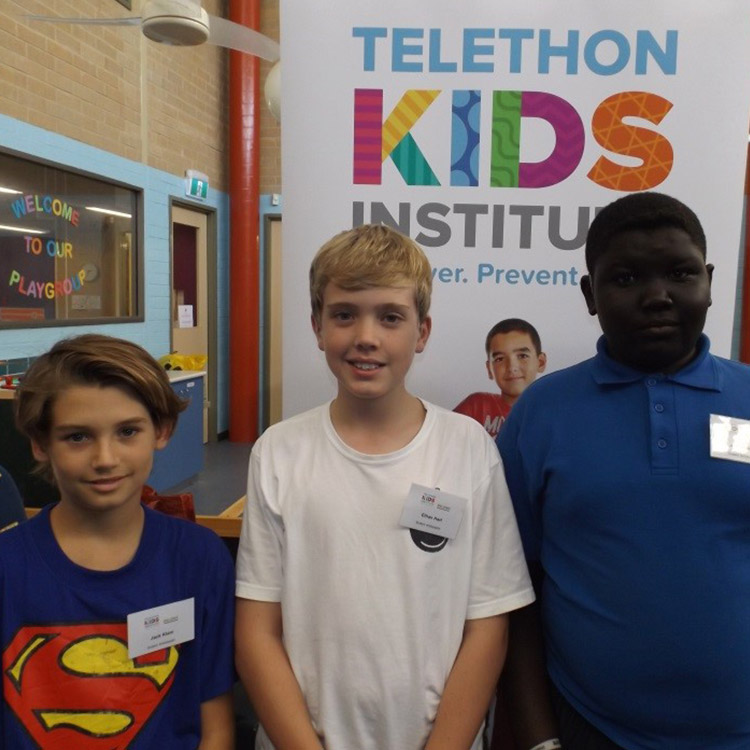
Ethan recently took part in Belong, a study led by The Kids which aims to ensure deaf and hard of hearing kids have a happy & positive school experience
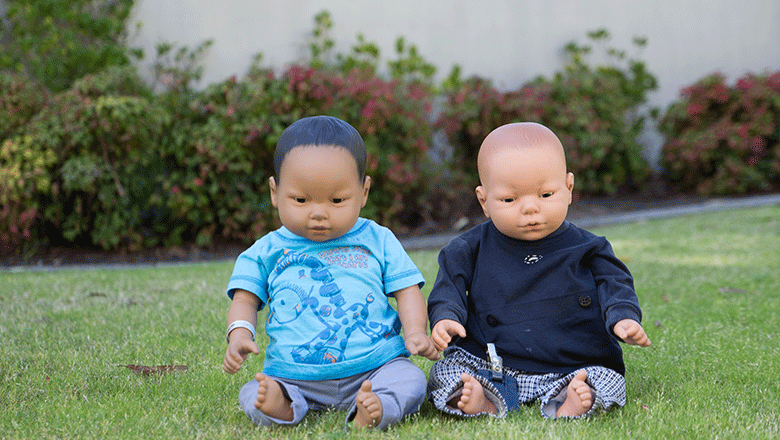
A The Kids Research Institute Australia study has found a popular education programme where teenagers care for a "robot" baby fails to reduce teen pregnancy, and could in fac