
Search
Ruth Elke Peter Thornton Seppanen Richmond PhD BSc PhD MBBS MRCP(UK) FRACP Co-head, Bacterial Respiratory Infectious Disease Group (BRIDG) Program
Latest news & events at the Wesfarmers Centre of Vaccines & Infectious Diseases.
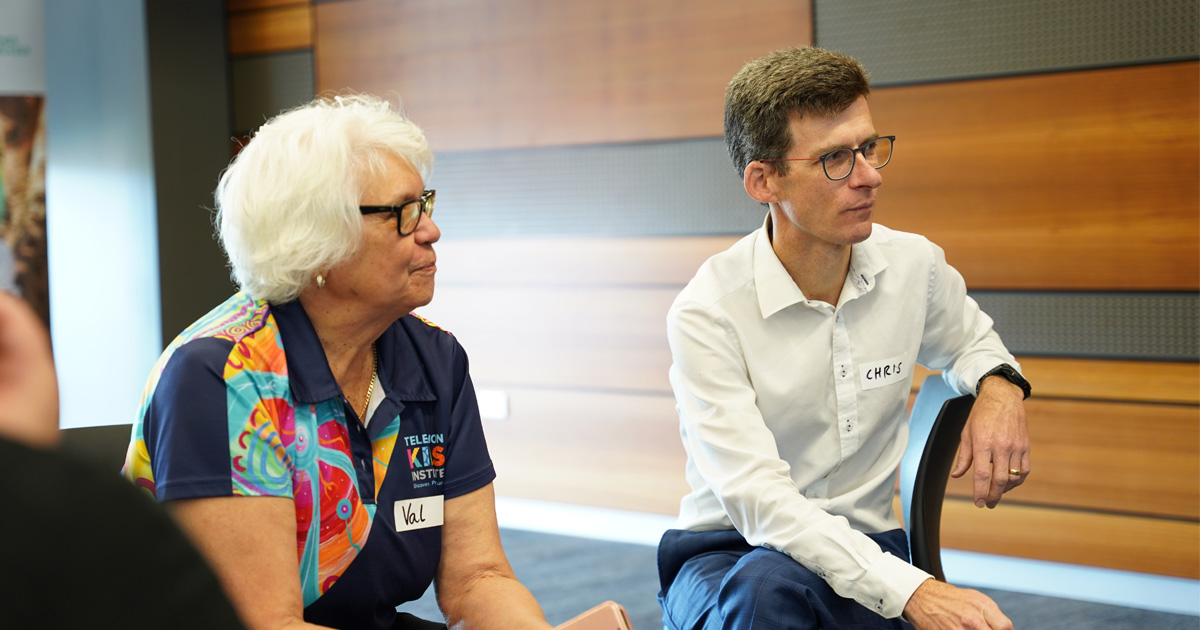
Researchers from the Wesfarmers Centre of Vaccines and Infectious Diseases at The Kids Research Institute Australia have shared their expertise with the community in Cockburn, covering topics ranging from respiratory disease in babies to recurring ear infections in kids.

Clinical Professor Tobias Strunk, Dr Andrew Currie and their Neonatal Infection and Immunity Team have become the newest members of the Wesfarmers Centre of Vaccines and Infectious Diseases.
Chronic tinnitus during childhood/adolescence can be associated with impaired quality of life. Guidelines for managing paediatric tinnitus recommend assessment and interventions are often based upon the experiences and opinions of guideline committee members.
Tamara Chris Valerie Veselinovic Brennan-Jones Swift BSc(Hons) MClinAud PhD PhD Clinical Research Fellow Head, Ear and Hearing Health Aboriginal
There is limited but consistent evidence that suggests prenatal factors, including maternal stress, may contribute to susceptibility for otitis media. We aimed to determine the effect of multiple life stress events during pregnancy on risk of acute and recurrent otitis media in offspring at three and five years of age.
With cochlear implantation becoming increasingly performed worldwide, an understanding of the risk factors, preventive measures, and management of cochlear implant (CI) infection remains important given the significant morbidity and cost it conveys.
Nontypeable Haemophilus influenzae (NTHi) is a major otitis media (OM) pathogen, with colonization a prerequisite for disease development. Most acute OM is in children <5 years old, with recurrent and chronic OM impacting hearing and learning. Therapies to prevent NTHi colonization and/or disease are needed, especially for young children. Respiratory viruses are implicated in driving the development of bacterial OM in children.
Otitis media has a high prevalence in childhood, and grommet insertion is the most common surgical treatment for OM. The public health system in Australia faces considerable strains, including high demand for Ear, Nose and Throat specialists. Extending the scope of practice for audiologists to manage post-operative care for children receiving grommets has the potential to alleviate this burden.