
Search
Behavior change techniques (BCTs) have been extensively used in physical activity interventions for children, however, no systematic reviews have synthesized their effects.
Having a walkable built environment is important to encourage active school transport. The aim of this study was to measure the walkability of all Perth, Western Australian schools and investigate whether differences in walkability exist by school type, socioeconomic status and/or subregion.
Limited research investigates early childhood education and care (ECEC) educators' involvement in promoting physical activity. The aim was to identify distinct profiles based on physical activity-related practices and psychosocial factors in ECEC educators and examine how they relate to the amount of time allocated to children's physical activity. A secondary analysis of educator-reported survey data from the Play Active study was undertaken.
The early years is a critical stage to establish optimal nutrition and movement behaviours. Community playgroups are a relaxed environment for parents with a focus on social connection and supporting parents in their role as 'First Teachers'. Playgroups are therefore an opportunistic setting to promote health behaviours in the early years.
Improving nutrition and physical activity is a global health priority. Within Cochrane’s new production model, Thematic Groups (TG) with specialist content and review methods expertise have been established. The purpose of TGs is to support the development and dissemination of high-quality evidence syntheses on priority issues.

Four outstanding members of The Kids Research Institute Australia family – three researchers and an Aboriginal Elder co-researcher – have been named in the Australia Day Honours List for their outstanding service to research and the community.
Nurturing children's health together: A collaboration between early childhood education and care (ECEC) educators and parents on active play and eating well
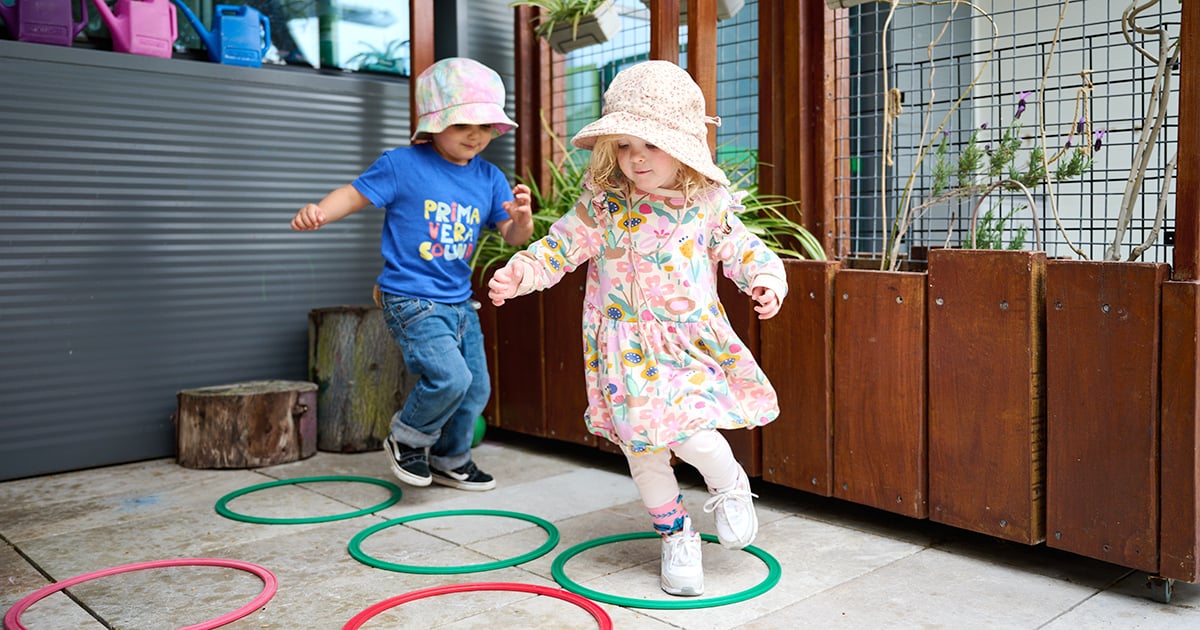
Did you know our research shows that less than 20 per cent of young Australian children get enough energetic play each day? Many children are spending more time sitting still or on screens, and not enough time moving, exploring and playing, which is fundamental to their healthy development.
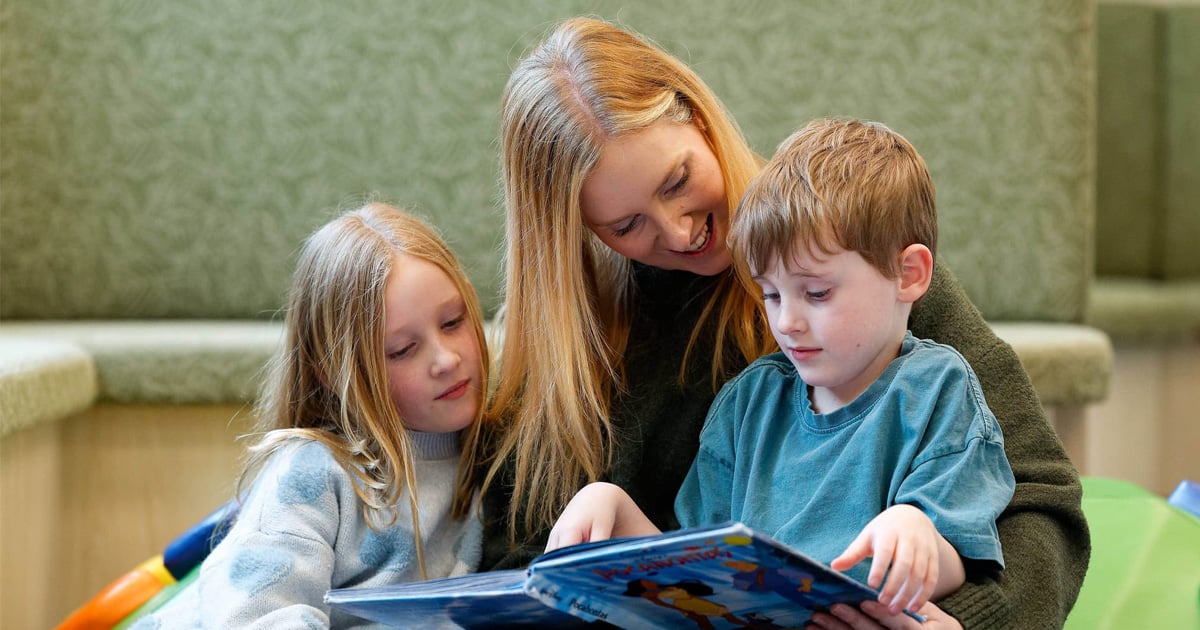
Walk through the jungle, hunt for the bear, or do the animal bop this Book Week! Acting out stories is a wonderful way to encourage active play with your child.
This paper provides the conceptual framework for a new review series that bring together the global literature on population approaches to nurturing relational health across the first three years of life. Early relational health is defined as ‘the everyday interactions that happen between children and their carers across the many settings in which they live and grow.