
Search
Despite the well-documented benefits of exercise for adolescents’ physical and mental health, exercise remains an underutilized strategy for improving the health of trans adolescents. This is notable because, compared to their cisgender peers, trans adolescents experience greater health challenges and systemic barriers to being physically active. To date, no research has evaluated an evidence-based exercise service within specialist paediatric gender services in Australia.
Gender- and sexuality-diverse (GSD) youths are at increased risk of depression and anxiety compared with their cisgender and heterosexual counterparts. Little is known about the risks for younger GSD adolescents (<15 years).
LGBTIQA + people experience intimate partner violence (IPV) at higher rates than non-LGBTIQA + people but under-utilize professional support services, and the reasons for this are poorly understood. This study examined IPV experiences, recognition of IPV, service utilization, and support needs among a self-selected sample of 523 LGBTIQA + adults in Western Australia.
Passing is a contentious issue within the trans community. Some trans people strive to pass as cisgender as an inherent goal or to reduce dysphoria, enhance safety, and potentially to facilitate acceptance. Others argue that trans people should not need to pass and that expectations to do so can cause harm to the trans community. This review aimed to systematically source and synthesize the existing qualitative literature that explores the costs and benefits of passing for trans people.
LGBTQA + people are less likely to access mental health care despite an increased risk of adverse mental health outcomes including suicidal thoughts and behaviours. The present study aimed to explore Australian LGBTQA + young people's perceptions of key factors associated with access to suicide prevention services.
Children far in advance of pubertal development may be deferred from further assessment for gender-affirming medical treatment until nearer puberty. It is vital that returning peripubertal patients are seen promptly to ensure time-sensitive assessment and provision of puberty suppression treatment where appropriate.
This study examines gender and socioeconomic inequalities in parental psychological wellbeing (parenting stress and psychological distress) during the COVID-19 pandemic in Germany. Background: The dramatic shift of childcare and schooling responsibility from formal institutions to private households during the pandemic has put families under enormous stress and raised concerns about caregivers’ health and wellbeing.
Eating disorders (EDs) are increasingly recognised among neurodivergent and transgender and gender diverse (TGD) individuals, yet most assessment and treatment models remain grounded in cisnormative and neuronormative assumptions and frameworks. Sensory processing, spanning interoception and exteroception, has been proposed as a potential factor that may help explain observed associations between neurodivergent traits, gender incongruence, and EDs.
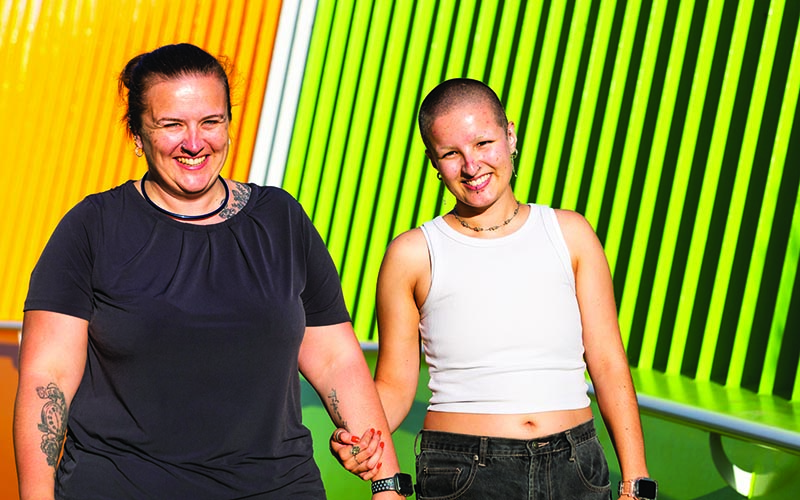
A new website for parents of trans children and young people across Australia is expected to improve family wellbeing and ultimately save lives after launching in May 2023.

Youth mental health researcher Penelope Strauss has been named an AMP Tomorrow Maker – the first researcher from The Kids Research Institute Australia to win one of the annual AMP Foundation grants.