
Search
Streptococcus pneumoniae (the pneumococcus) is a human pathogen of global importance, classified into serotypes based on the type of capsular polysaccharide produced. Serotyping of pneumococci is essential for disease surveillance and vaccine impact measurement.
With the emergence of novel vaccines and new applications for older vaccines, co-administration is increasingly likely. The immunomodulatory effects of BCG could theoretically alter the reactogenicity of co-administered vaccines. Using active surveillance in a randomised controlled trial, we aimed to determine whether co-administration of BCG vaccination changes the safety profile of influenza vaccination.
Influenza vaccination is recommended to protect mothers and their infants from influenza. Few studies have evaluated the association between maternal influenza vaccination and child mortality. We aimed to evaluate the association between in utero exposure to seasonal inactivated influenza vaccine (IIV) and mortality among young children.

The Kids Research Institute Australia researchers have confirmed that skin infections in many Aboriginal children across northern Western Australia are going unrecognised.
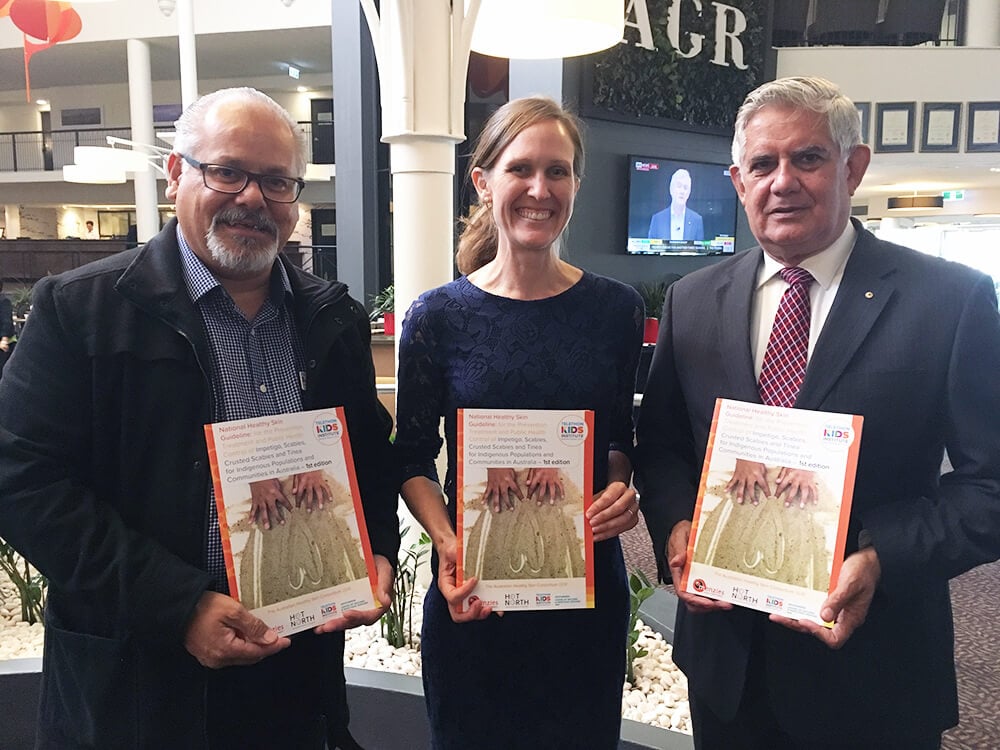
Researchers have developed the first National Healthy Skin Guideline to address record rates of skin infections in Australia’s Indigenous communities.
The Kids researchers are pioneering an exciting new approach to clinical trials, which aims to fast-track the best treatments for people with rare and complex diseases.
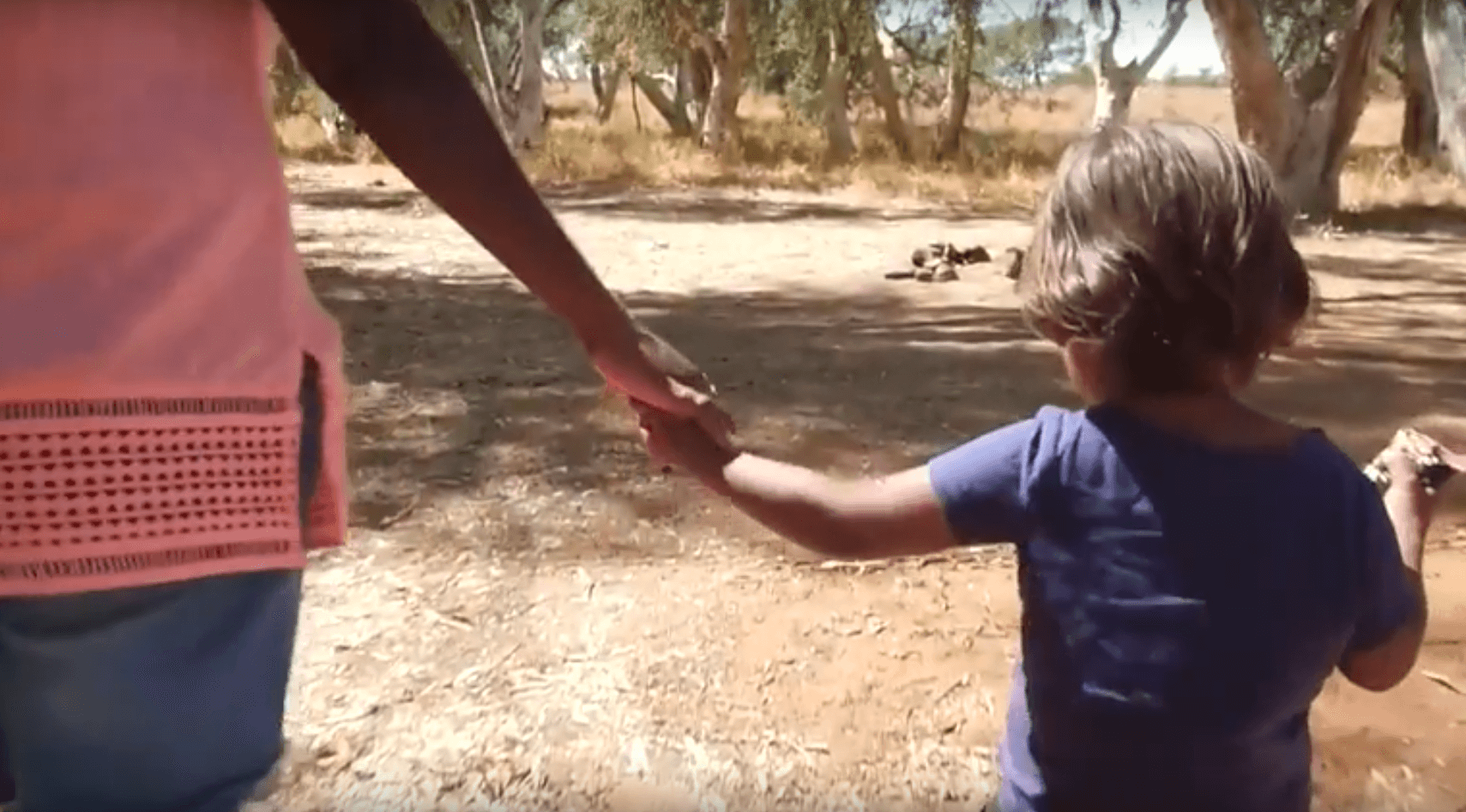
Aboriginal mum and child

News headlines about the large number of life-threatening cases of the flu in Western Australia this winter have been hard to miss - find out what you can do to protect your family.
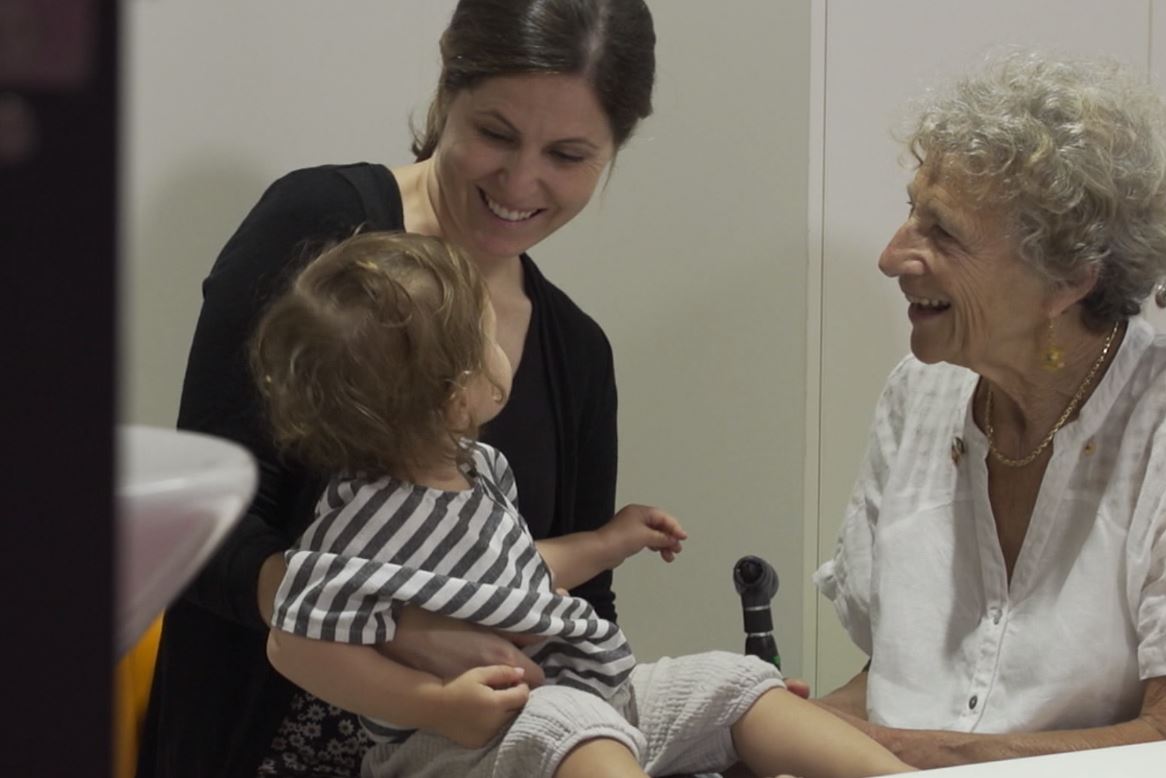
Leading infectious diseases researcher, Clinical Associate Professor Deborah Lehmann AO, has been named a finalist for the Australian Museum Eureka Prizes for her work training and mentoring a new generation of researchers.
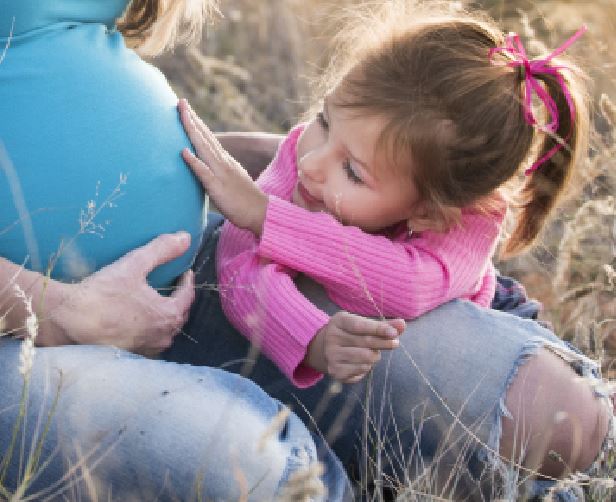
The Kids Research Institute Australia researchers leading the Western Australian site of a global respiratory syncytial virus (RSV) study can now fine-tune development of a world-first vaccine for pregnant mothers.