
Search
The Early Human Capability Index is a holistic measure intended to capture early child development across diverse cultures and contexts.
This project provides guidance to help school leaders review the evidence for different programs, as well as a review of universal, evidence-based pre-school and school-based social and emotional learning programs available in Australia.

Principal Research Fellow
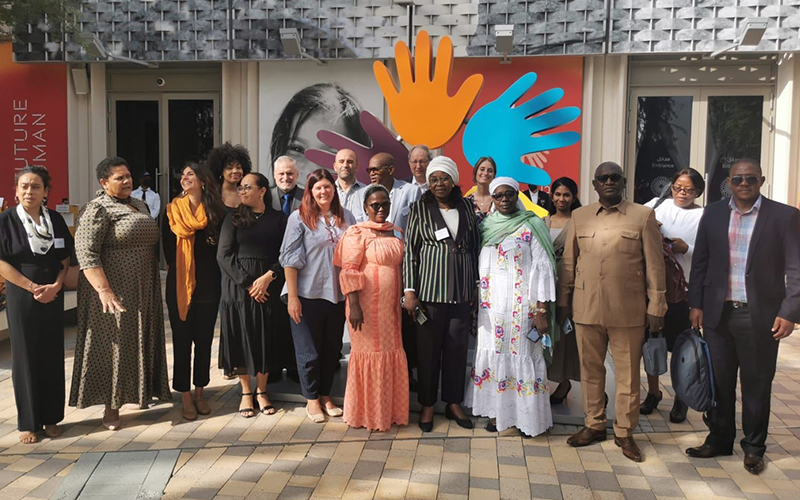
Children around the world could have better access to education thanks to an early childhood development index created for UNESCO by The Kids researcher, Prof Sally Brinkman.
Evaluating Early Childhood Education and Care
Recent evidence indicates that a child’s home learning environment is the strongest predictor of success in later reading abilities and that for children not receiving structured language and reading support at home.
Yasmin Harman-Smith BA, BHlthSc(Hons), MTeach(Primary), PhD Head, Early Years Systems Evidence Yasmin.harman-smith@thekids.org.au Head, Early Years
The mental health and wellbeing of young people has important consequences for students and society. Schools are a logical environment for management and early intervention of wellbeing, mental health and engagement with school. Interventions aimed at improving mental health and wellbeing in education systems requires knowledge of how wellbeing is clustered at a school level. Cluster-randomised trials, and regression analyses of such data also require knowledge of clustering.
Trans youth are at high risk of mental health difficulties and negative life events. Strong parental support is highly protective however there is little understanding of what factors facilitate the process of parental understanding and acceptance of a child’s gender identity.
Student bullying behaviours are a significant social issue in schools worldwide. Whilst school staff have access to quality bullying prevention interventions, schools can face significant challenges implementing the whole-school approach required to address the complexity of these behaviours.