
Search
IDEA is one of the few population-based resources in the world dedicated to intellectual disability. The IDEA database contains information on all children born in Western Australia since 1983 who have been identified with having an intellectual disability. Individuals with autism spectrum disorder, both with and
About The Autism Register
The Autism Register Team are running short, informative workshops at your organisation or at a location close to you. We aim to get your feedback about the new Autism Register, answer your questions and demonstrate the online portal.
Autism and attention-deficit/hyperactivity disorder (ADHD) often co-occur. This survey of 288 New Zealand parents of children diagnosed with autism, ADHD, or both conditions, examined the relations between age of diagnosis and early atypical development, the age specialist consultation was needed and types of specialists seen.
Autism spectrum disorders are complex, with a strong genetic basis. Genetic research in autism spectrum disorders is limited by the fact that these disorders are largely heterogeneous so that patients are variable in their clinical presentations. To address this limitation, we investigated the genetics of individual dimensions of the autism spectrum disorder phenotypes, or autistic-like traits. These autistic-like traits are continuous variations in autistic behaviours that occur in the general population.
The diagnostic experiences of autistic adults in New Zealand have not been investigated and little is known globally about autistic adults' satisfaction with the autism diagnostic process. This study describes the diagnostic experiences of 70 autistic adults living in New Zealand and explores how these experiences are related to satisfaction during three stages of the diagnostic process. The results show that autistic adults were reasonably satisfied with the early query and diagnostic assessment stages, but were dissatisfied with the post-diagnostic support stage, with significant unmet needs. Dissatisfaction during the post-diagnostic support stage was also related to satisfaction during previous stages and poor coordination of supports. Suggestions are made on how to improve the autism diagnostic pathway for autistic adults in New Zealand.
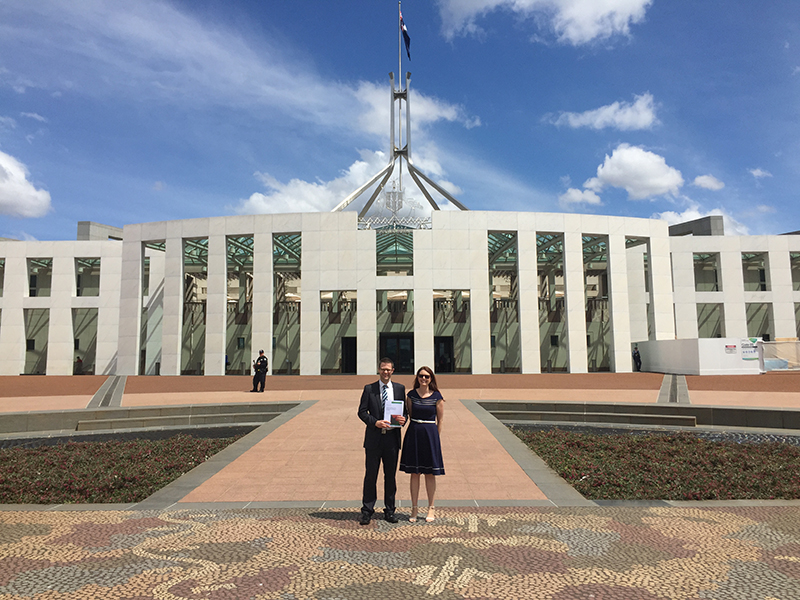
Researchers from The Kids Research Institute Australia, working with the Autism CRC, have led the development of the National Guideline for the Assessment and Diagnosis of Autism Spectrum Disorder in Australia which was launched today.
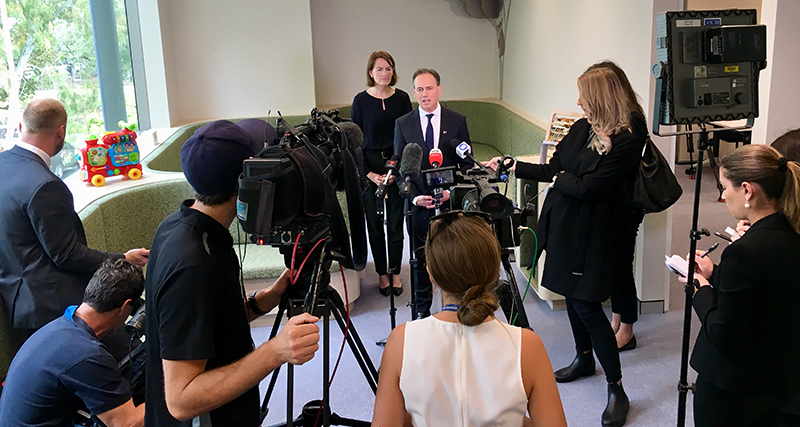
Western Australian babies and children with autism and developmental delay will be able to access world-first therapies and interventions backed by the latest research, thanks a unique clinical service developed by The Kids Research Institute Australia.
If there’s one thing modern researchers and health professionals now understand, it’s that for so many diseases and conditions affecting children and adolescents, early intervention is crucial.
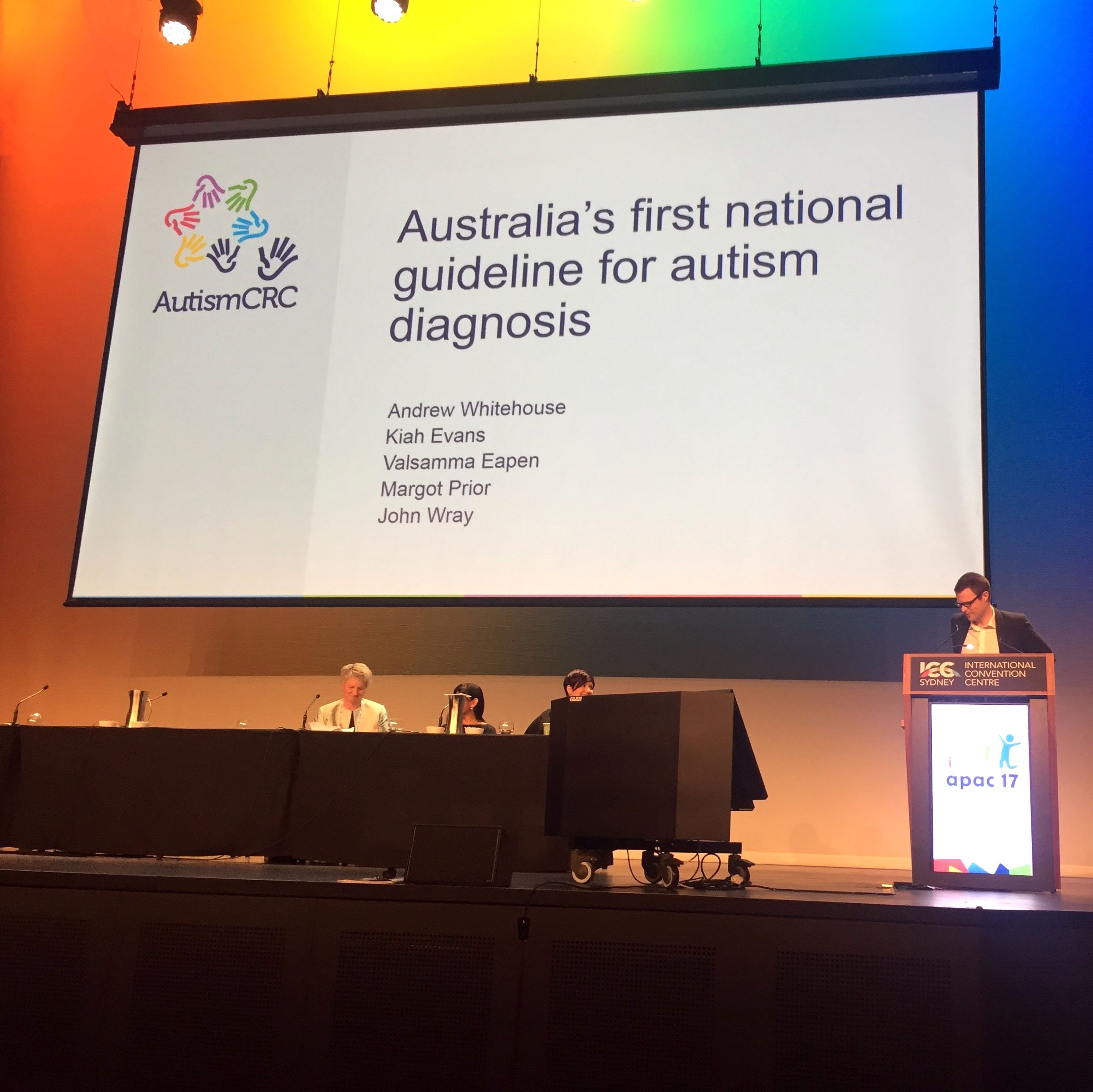
Australia’s first draft national guideline for autism diagnosis has today been released for public consultation.