
Search
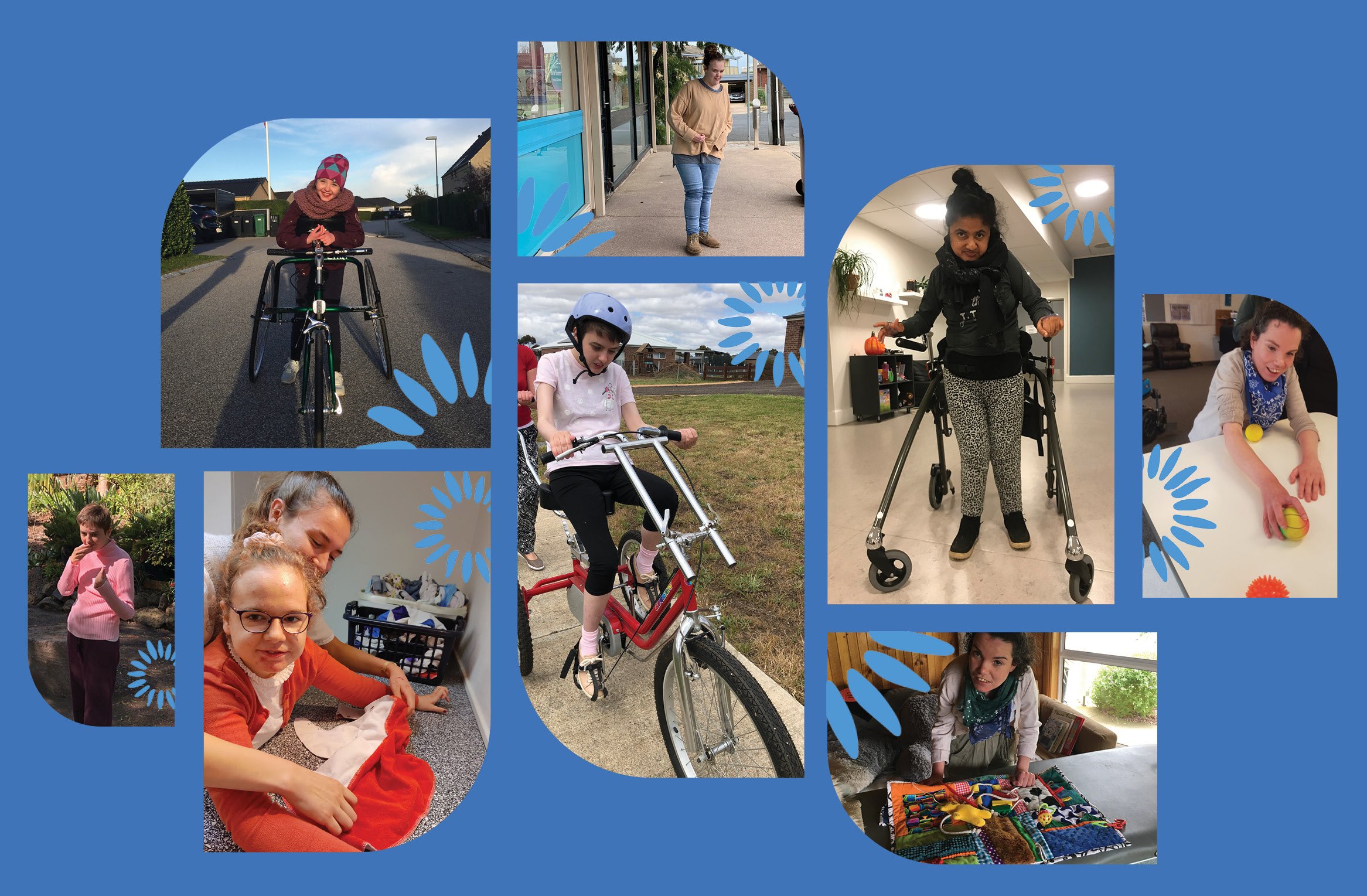
Each family needs to select the appropriate types and levels of activity that suit their own individual needs and circumstances.
When you build routines into your day to increase uptime, it doesn’t only affect the person with Rett syndrome; it affects the whole family.
Our research team have done 4 studies to find out how to increase activity in children and adults with Rett syndrome.
AussieRett is the Australian Rett syndrome research study. We collect information on Australian individuals with Rett syndrome from both families and clinicians
AussieRett is the Australian Rett syndrome research study. We collect information on Australian individuals with Rett syndrome from both families and clinicians
Through InterRett we collect information on individuals with Rett syndrome on a global level. If you are a participant you can complete your questionnaire here.
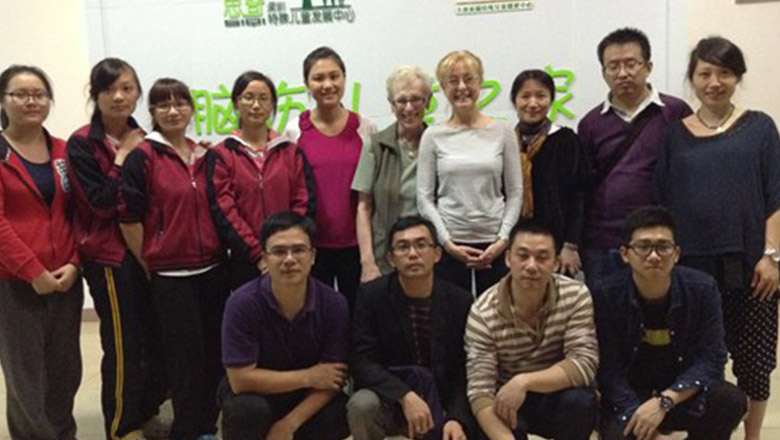
Helen and Jenny visited Shenzhen in the south of China twice during 2013 to talk with clinicians and families at the Shenzhen Children's Hospital.
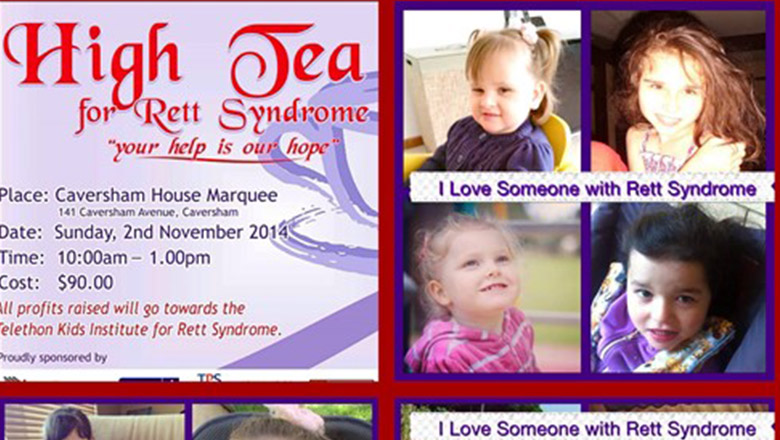
Thanks for everyone who have contributed to and participated in this wonderful event to raise much needed funds to support Rett Syndrome research!
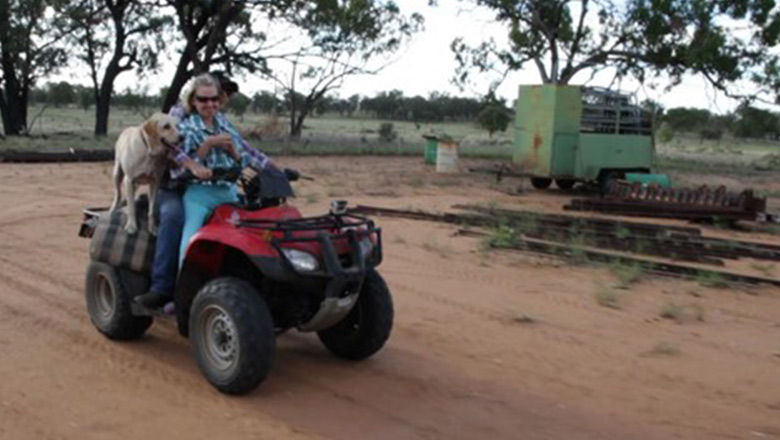
Taylor is a remarkable young woman with Rett Syndrome who is leading an active country life with the support of her family and the local community.
Click the photo below to download Dr Helen Leonard's online webinar hosted by Rettsyndrome.org.