
Search
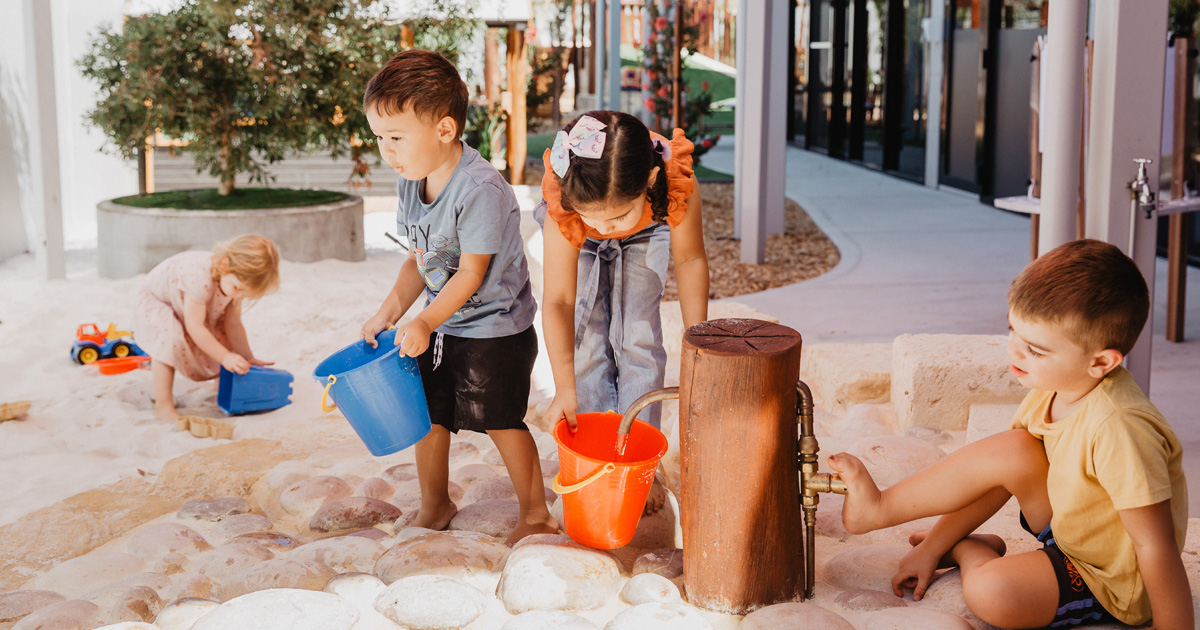
The Kids Research Institute Australia has welcomed today’s announcement by the Cook Government and Minderoo Foundation of a $34.6 million boost for the Early Years Partnership to achieve better outcomes for children.
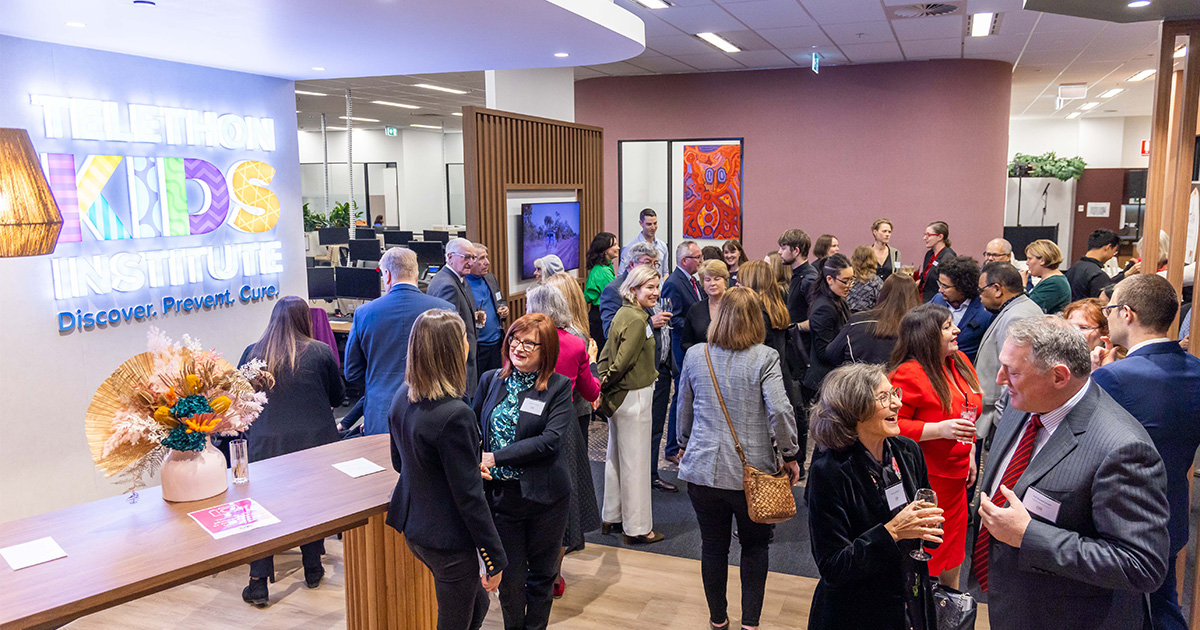
The Kids Research Institute Australia's Adelaide facility has been officially opened by South Australian Premier Peter Malinauskas.

Children across Australia aged 4-12 years are being asked to grab their crayons, pencils or pens and create their best drawing of themselves and their siblings in a simple study that will help researchers learn more about sibling relationships.

A The Kids Research Institute Australia researcher whose work focuses on the mental health of babies and young children has been chosen from a global field to become one of 20 new Zero to Three Fellows.
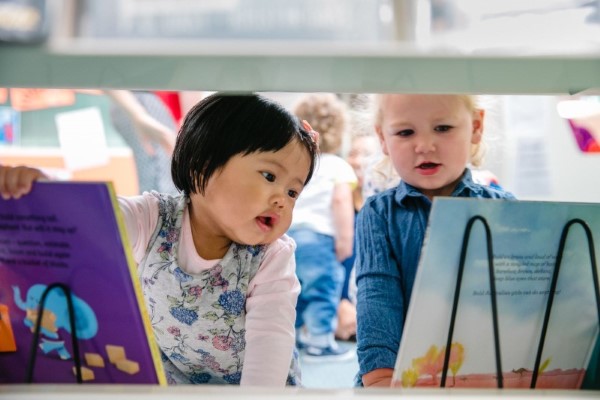
Discover the EYI Research Profile at The Kids' Institute, showcasing innovative child health research and its impact on young lives.
This study investigated where preschool children were more or less active in outdoor play areas in Early Childhood Education and Care (ECEC) centers using a novel method of combined device-measured physical activity, spatial data and on-site audit data.
Maternal diet during pregnancy has long been recognised as an important determinant of neonatal outcomes and child development. Infant body composition is a potentially modifiable risk factor for predicting future health and metabolic disease.
Using over 50 thousand time-use diaries from two cohorts of children, we document significant gender differences in time allocation in the first 16 years in life. Relative to males, females spend more time on personal care, chores and educational activities and less time on physical and media related activities. These gender gaps in time allocation appear at very young ages and widen overtime.
Data on static compliance of the chest wall (Ccw) in preterm infants are scarce. We characterized the static compliance of the lung and Ccw to determine their relative contribution to static compliance of the respiratory system in very preterm infants at 36 wk postmenstrual age. We also aimed to investigate how these compliances were influenced by the presence of bronchopulmonary dysplasia and impacted breathing variables.
Natural outdoor environments provide important settings for children to engage in physical activity. It is unclear if these relationships also exist in preschool aged children. We examined associations between amount and type of neighbourhood vegetation and blue space, proximity to the beach and preschooler's device-measured movement behaviours.