
Search
Although abilities were markedly impaired for the majority with the CDKL5 disorder, some females and a few males had better functional abilities

Head, Child Disability

Senior Research Fellow

Video technology is helping researchers learn more about the early communication style of infants with a family history of autism, ADHD or intellectual disability.
About 2 per cent of children are estimated to have an intellectual disability. The cause of the condition is unknown in at least 50 per cent of cases.
A severe neurodevelopmental disorder mostly affecting girls.
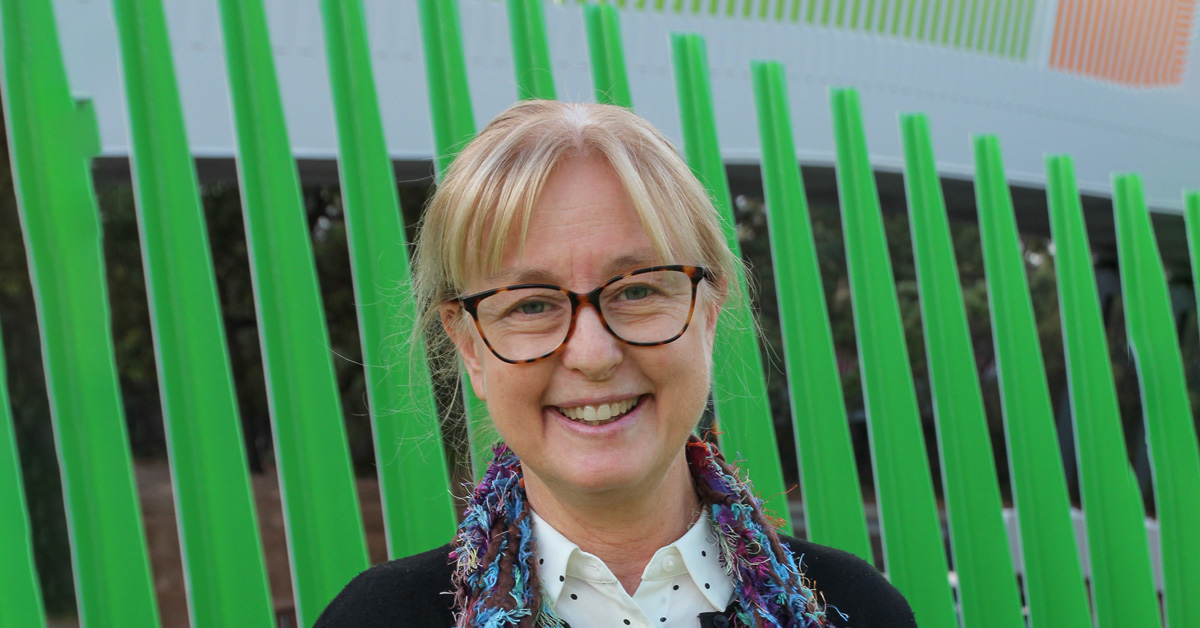
A project led by The Kids Research Institute Australia’s child disability team will seek to reduce potentially preventable hospitalisations and build health literacy for children and young people with intellectual disability.
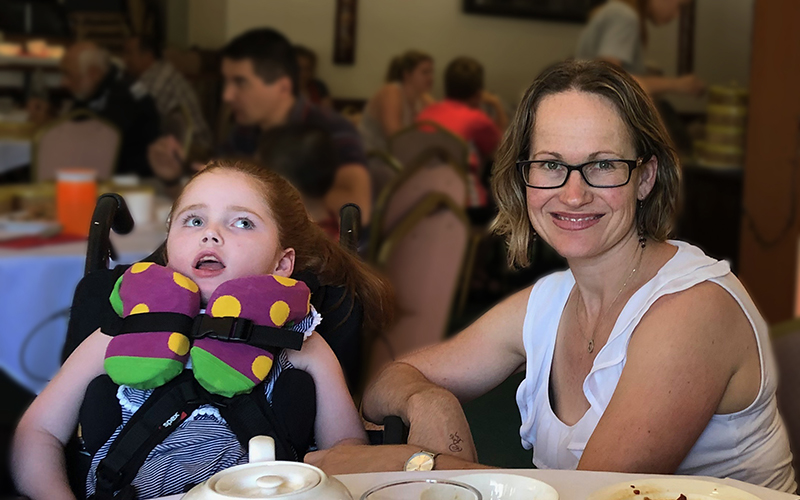
Children with intellectual disability who underwent gastrostomy – a feeding tube placed into the stomach – had better overall health and fewer hospitalisations for all causes except acute respiratory illnesses, research led by The Kids Research Institute Australia has found.
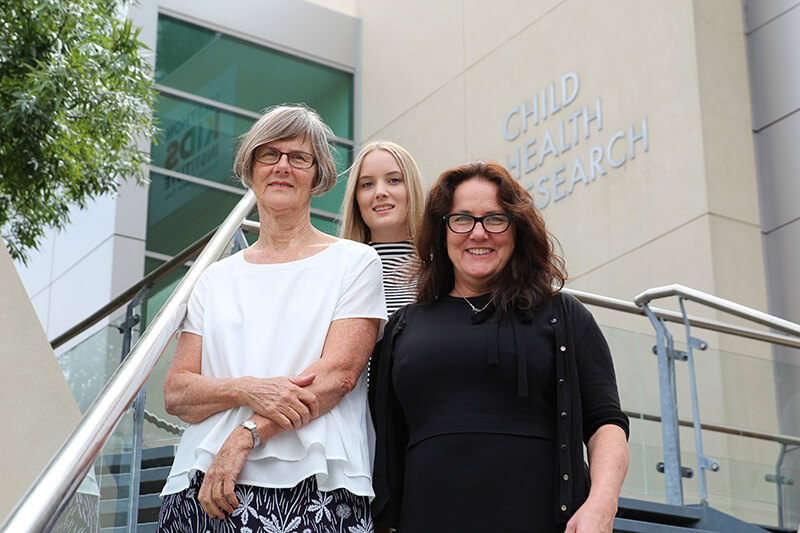
Nine out of ten incarcerated youth examined by The Kids researchers as part of a ground-breaking study had some form of neuro-disability.
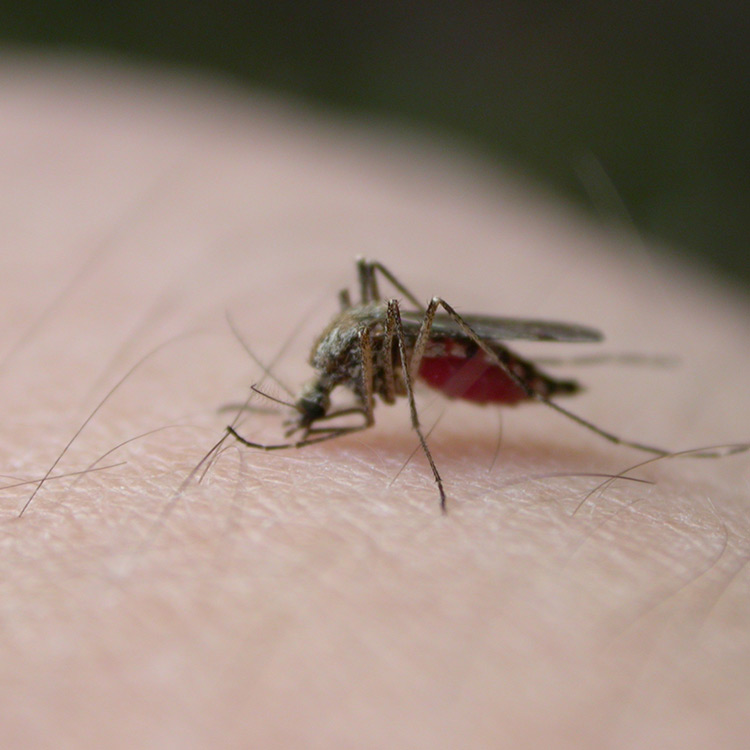
WA Researchers have conducted an Australian-first study to determine the prevalence of microcephaly, in preparation of any future outbreak of the Zika virus.