
Search
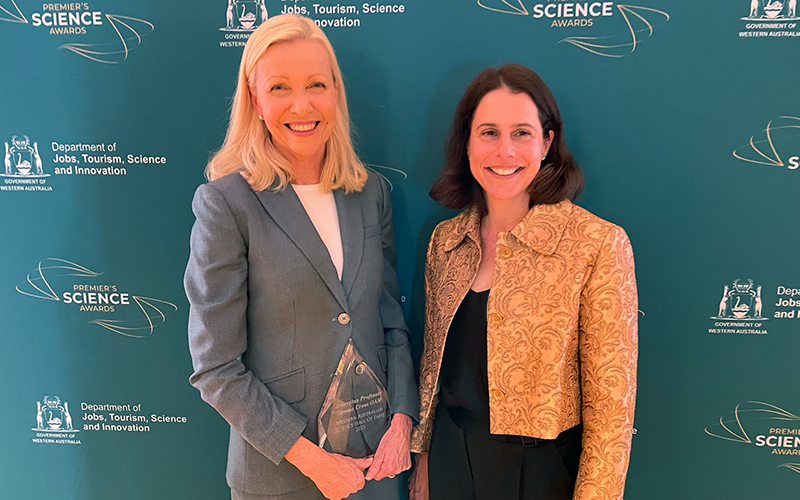
Pioneering anti-bullying researcher Emeritus Professor Donna Cross OAM was last night announced as the latest inductee into the WA Science Hall of Fame.
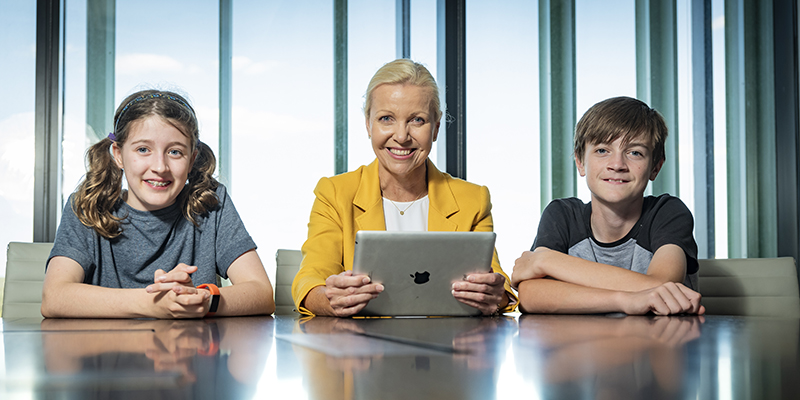
What began as a small formative research project 20 years ago has grown into a universal bullying prevention and social skills development program which has helped countless Australian children and their families.

As a parent, it can be very stressful to learn that your child is being bullied. Our instinct is to protect our children at all costs - but how exactly should we do this?
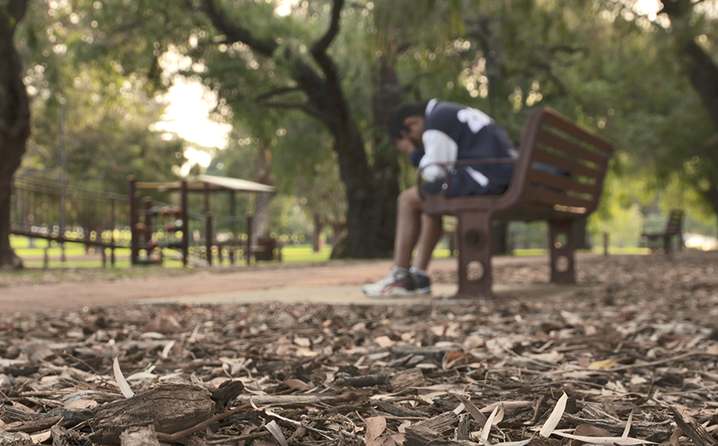
More than half of all children who are bullied do not tell anyone.
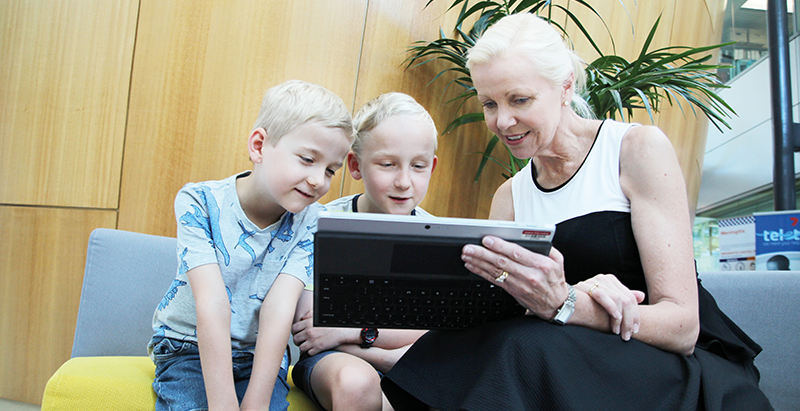
Schools from around the globe have turned to The Kids Research Institute Australia, seeking access to invaluable lessons learned from Australian students on how to effectively reduce harm from cyberbullying.

Professor Donna Cross’ innovative research aims to protect children from the harmful effects of online bullying.

In this video, Professor Donna Cross from the Telethon Kids Institute provides some practical advice on how to respond if your child is being bullied.
Bullying is now regarded as a health problem and not just a disciplinary problem. Increasing evidence shows both traditional bullying (e.g. hitting, teasing) and cyberbullying have lasting effects on young people (both those who bully and those who are bullied), including damage to self-esteem, academic results and mental health.
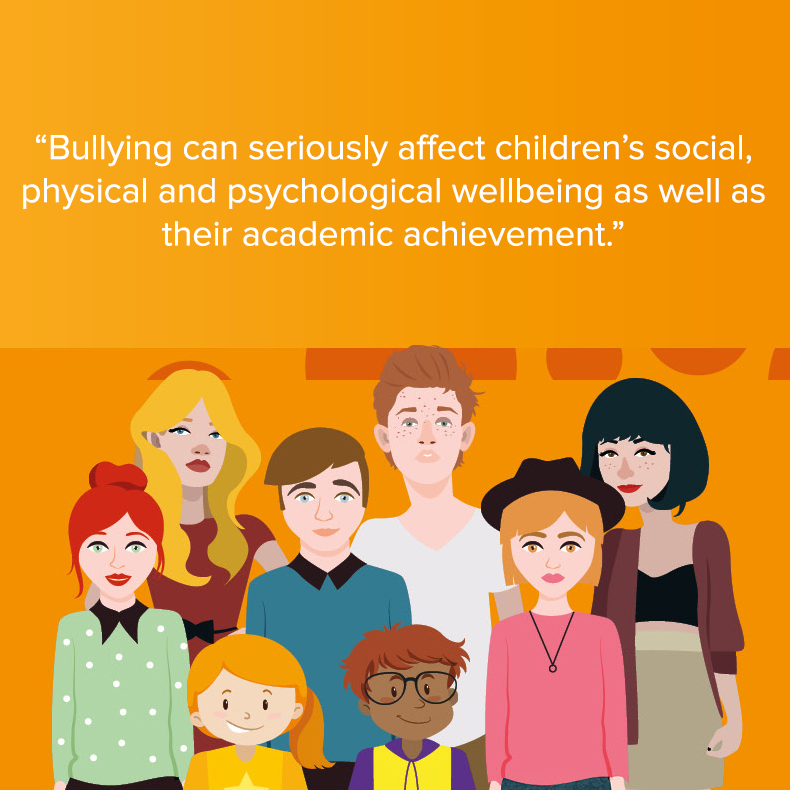
Infographics to easily learn more about bullying and what actions to take should bullying be an issue in your school or community.
Young people’s use of mobile phones and access to the Internet has increased dramatically in the last decade, especially among those aged 9–15 years. Young people now rely on information and communication technology for much of their social interaction, which can have both positive and negative effects on their social and emotional well-being. Of particular concern is the extent to which digital technology (DT) provides opportunities for cyberbullying.