
Search
Physical activity can support physical and mental health among children living with chronic health conditions; however, programmes must be tailored to their specific needs to support participation.
The potential implementation of early type 1 diabetes (T1D) detection pathways, encompassing autoantibody screening and longitudinal monitoring, raises important psychosocial considerations for ethical, person-centred care. This review summarises evidence on the psychosocial impact of early T1D detection, identifying key evidence gaps and recommendations for integrating psychosocial support.
Family carers of youth recovering from early psychosis experience significant stress; however, access to effective family interventions is poor. Digital interventions provide a promising solution.
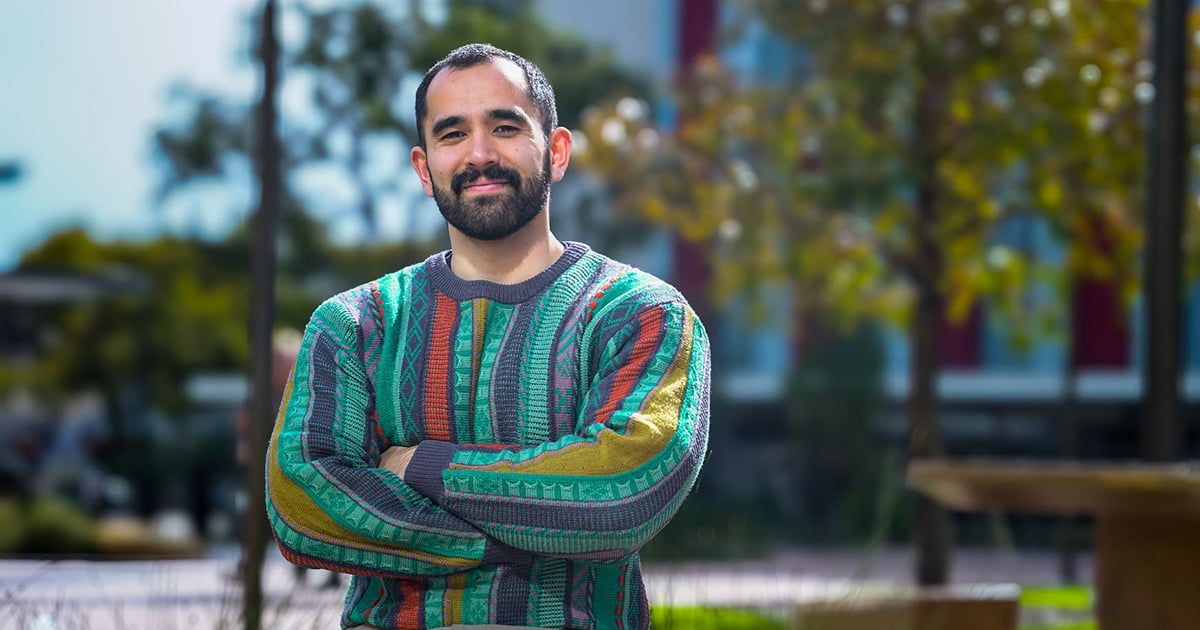
Dr Vincent Mancini, a Senior Research Fellow at The Kids Research Institute Australia, has been awarded a prestigious three-year Fellowship to develop and implement an intervention to support the welfare of regional WA fathers and families in the neonatal intensive care unit (NICU).
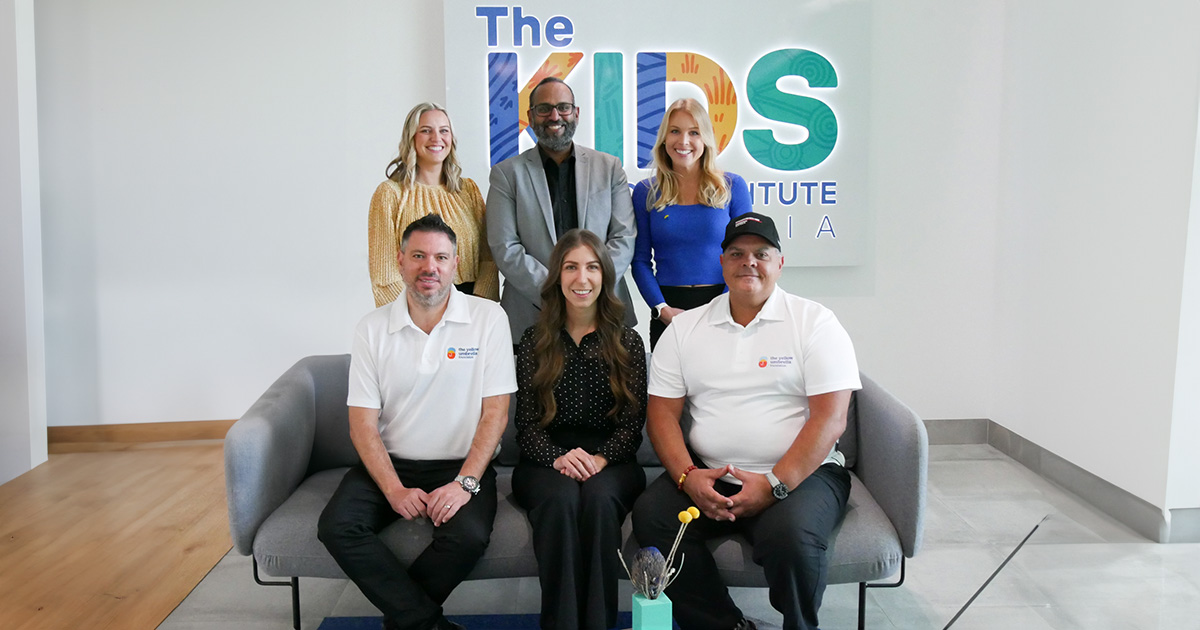
The Kids Research Institute Australia is deeply grateful to The Yellow Umbrella Foundation for their generous gift of $38,453 to help fund a new mental health initiative for parents and caregivers of children living with intellectual disability.

The Kids Research Institute Australia warmly welcomes youth mental health researcher Associate Professor Kathryn Modecki.
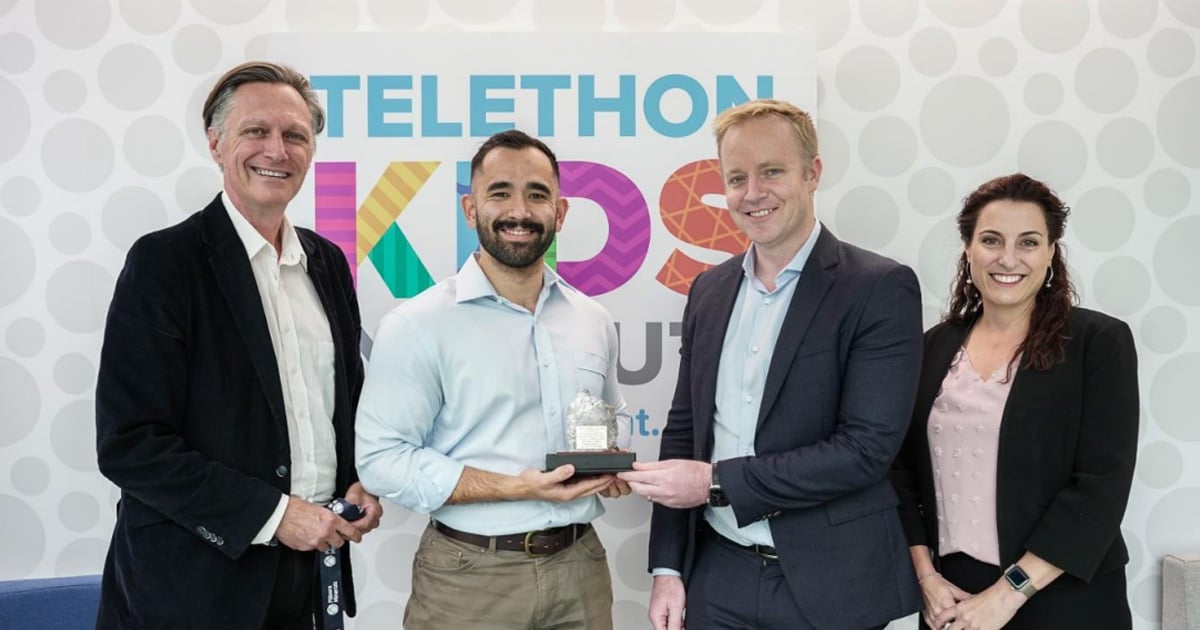
An innovative and impactful three-year research partnership between Pilbara Minerals and The Kids Research Institute Australia has been established to support the mental health and wellbeing of fly-in fly-out (FIFO) workers and their families.

Congratulations to Head of Youth Mental Health at The Kids Research Institute Australia, Dr Yael Perry, who has received a Telstra Health 2023 Brilliant Women in Digital Health Award in recognition of her innovative use of technology to achieve positive mental health outcomes for marginalised young people.

The Kids Research Institute Australia and The University of Western Australia researchers have been awarded more than $1 million in funding from Healthway, for projects to improve the mental health of LGBTQA+ young people, encourage early physical activity in childcare centres and create healthier local environme
Valuable support from the Stan Perron Charitable Foundation will enable The Kids Research Institute Australia researchers to commence projects on topics ranging from disability, mental health and lung disease to diabetes, Aboriginal leadership, and the development of child-focused pandemic policies.