
Search
Regular physical activity and exercise (PA) are cornerstones of diabetes care for individuals with type 1 diabetes. In recent years, the availability of automated insulin delivery (AID) systems has improved the ability of people with type 1 diabetes to achieve the recommended glucose target ranges. PA provide additional health benefits but can cause glucose fluctuations, which challenges current AID systems.

"This system definitely helped with my diabetes management, especially overnight, and helped to keep my blood sugars as stable as possible which was fantastic,"
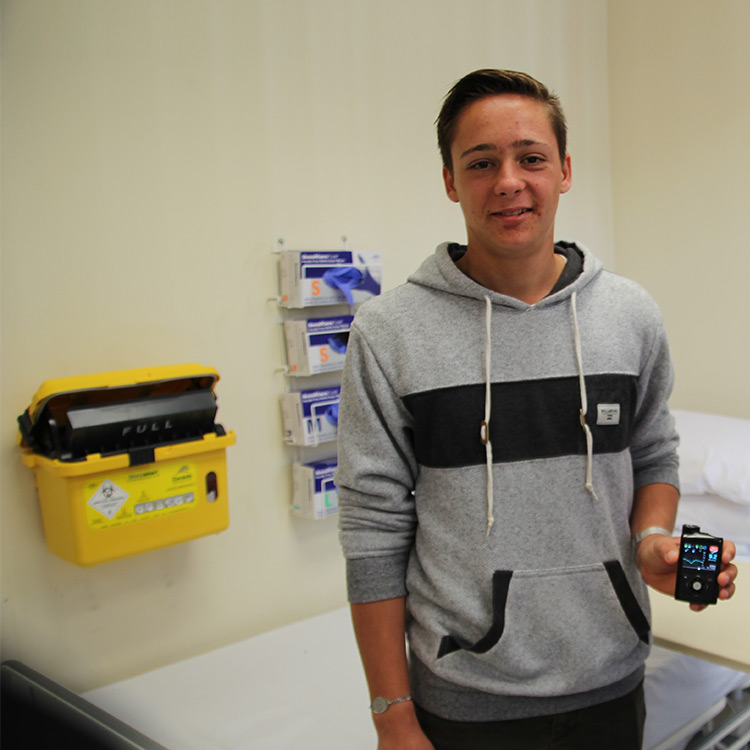
The Children’s Diabetes Centre at The Kids Research Institute Australia is leading the longest and largest at-home trial of a hybrid closed-loop insulin pump system.

The generous support of Western Australians through Channel 7’s Telethon is helping to fund life-changing child health research, with two The Kids Research Institute Australia researchers awarded significant grants.
The Environmental Determinants of Islet Autoimmunity (ENDIA) study is an Australia-wide pregnancy-birth cohort study following children who have a first-degree relative with type 1 diabetes (ACTRN1261300794707). A dedicated ENDIA Facebook page was established in 2013 with the aim of enhancing recruitment and supporting participant retention through dissemination of study information.
Pregnancy and type 1 diabetes are each associated with increased anxiety and depression, but the combined impact on well-being is unresolved. We compared the mental health of women with and without type 1 diabetes during pregnancy and postpartum and examined the relationship between mental health and glycemic control.
To compare HbA1c and clinical outcomes in adolescents and young adults with type 1 diabetes, with or without celiac disease.
The Environmental Determinants of Islet Autoimmunity (ENDIA) pregnancy-birth cohort investigates the developmental origins of type 1 diabetes (T1D), with recruitment between 2013 and 2019. ENDIA is the first study in the world with comprehensive data and biospecimen collection during pregnancy, at birth and through childhood from at-risk children who have a first-degree relative with T1D.
High protein high fat meals are considered “difficult” foods because they can cause prolonged hyperglycemia after ingestion. The potential of hybrid closed loop therapy in managing postprandial glucose excursions with these difficult foods remains unknown. This pilot study aimed to explore the impact of manual mode in standard insulin pump therapy and auto mode with hybrid closed loop pump therapy in managing glucose excursions caused by HPHF foods and to obtain feedback from families about each mode.
Continuous glucose monitoring systems are used in therapeutic decisions for diabetes management, however, the impact of body composition on CGM accuracy is not known. Body composition variables were collected in an observational study designed to determine the accuracy of an investigational Medtronic Guardian™ sensor 3.