
Search
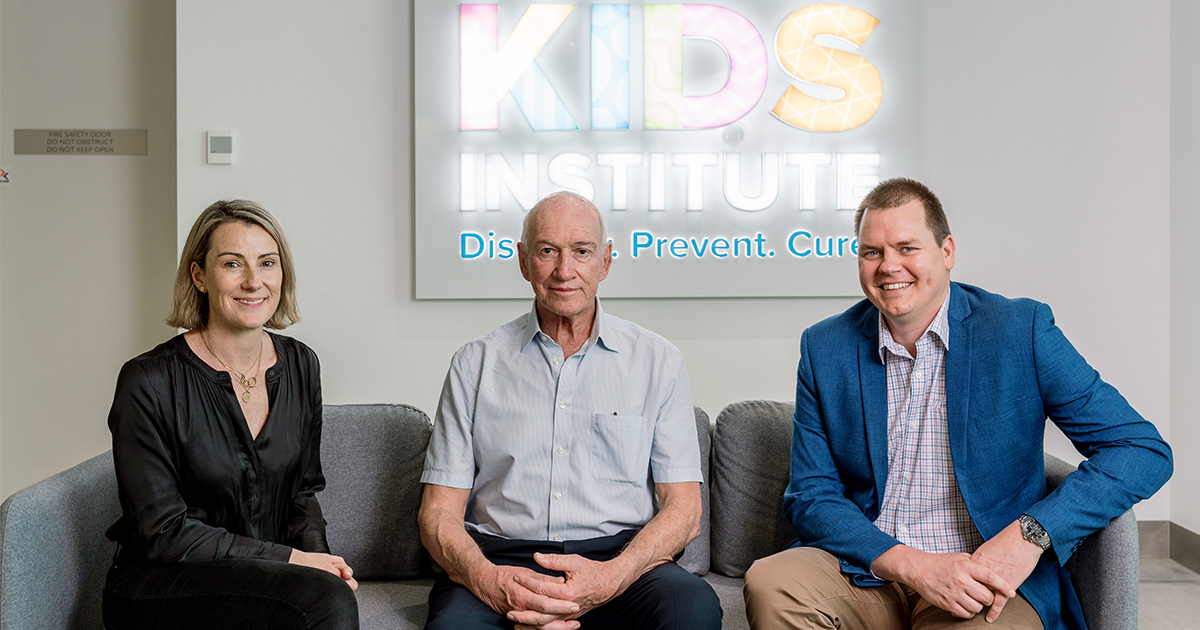
A The Kids Research Institute Australia spin-off company, Inspiring Holdings Pty Ltd (Inspiring), has been announced as winner of the Wesfarmers Wellbeing Platinum Award in the prestigious WA Innovator of the Year awards for their novel Universal Spacer System – a device which improves the delivery of inhaled dru

Four The Kids Research Institute Australia researchers have received prestigious fellowships and four significant cohort studies led or co-led by The Kids have received key grants under two new funding programs supported by the State Government’s Future Health Research and Innovation (FHRI) Fund.

Valuable support from the Stan Perron Charitable Foundation will enable The Kids Research Institute Australia researchers to commence projects on topics ranging from disability, mental health and lung disease to diabetes, Aboriginal leadership, and the development of child-focused pandemic policies.
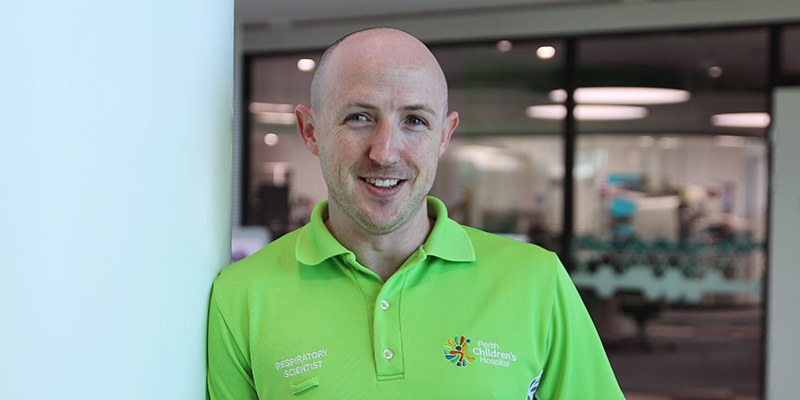
Parents of children born prematurely have expressed concerns about their child’s lung health when they exercise, with symptoms such as breathlessness.
Functional studies of how early-life interventions shape the airway microbiome remain scarce. Here, we performed metagenomic sequencing of 704 longitudinal nasal swabs from infants with and without cystic fibrosis (CF) to construct and characterize a non-redundant gene atlas of the infant nasal microbiome. We aimed to determine how the nasal microbiome is perturbed by early therapies, as CF is commonly treated with inhaled hypertonic saline to improve mucociliary clearance.
Lung function testing and lung imaging are commonly used techniques to monitor respiratory diseases, such as cystic fibrosis (CF). The nitrogen (N2) multiple-breath washout technique (MBW) has been shown to detect ventilation inhomogeneity in CF, but the underlying pathophysiological processes that are altered are often unclear.
Antisense oligonucleotides are an emerging therapeutic option to treat diseases with known genetic origin. In the age of personalised medicines, antisense oligonucleotides can sometimes be designed to target and bypass or overcome a patient's genetic mutation, in particular those lesions that compromise normal pre-mRNA processing. Antisense oligonucleotides can alter gene expression through a variety of mechanisms as determined by the chemistry and antisense oligomer design.
The long-term consequences of early adverse exposures are well known but is becoming clear that early means not just in pregnancy but also in at least the two preceding generations. Furthermore, there are new existential threats to long term respiratory health, some of which have been presented at the INSPiRED meeting in Bologna and are reviewed in this manuscript.
Existing trajectory studies have emphasised large-airway indices, but chronic obstructive pulmonary disease (COPD) might originate in smaller airways. This study aimed to investigate mid-to-small-airway function trajectories, their associated factors, and COPD risk.
Many survivors of preterm birth (<37 weeks gestation) have lifelong respiratory deficits, the drivers of which remain unknown. Influencers of pathophysiological outcomes are often detectable at the gene level and pinpointing these differences can help guide targeted research and interventions. This study provides the first transcriptomic analysis of primary nasal airway epithelial cells in survivors of preterm birth at approximately 1 year of age.