
Search
Infants with KMT2A-rearranged B-cell acute lymphoblastic leukemia (ALL) have a dismal prognosis. Survival outcomes have remained static in recent decades despite treatment intensification and novel therapies are urgently required.
Research has shown differences in how fathers and mothers respond to a child's cancer diagnosis. Previous studies have highlighted that sociocultural norm shape fathers' experiences of their child's cancer diagnosis. Our phenomenological qualitative study aimed to examine the lived experiences of fathers whose children have been diagnosed with cancer and explore the impact of sociocultural gender roles.
T-cell lymphoblastic lymphoma (T-LBL) is a rare and aggressive lymphatic cancer, often diagnosed at a young age. Patients are treated with intensive chemotherapy, potentially followed by a hematopoietic stem cell transplantation. Although prognosis of T-LBL has improved with intensified treatment protocols, they are associated with side effects and 10-20% of patients still die from relapsed or refractory disease. Given this, the search toward less toxic anti-lymphoma therapies is ongoing.
Supratentorial RELA fusion (ST-RELA) ependymomas (EPNs) are resistant tumors without an approved chemotherapeutic treatment. Unfortunately, the molecular mechanisms that lead to chemoresistance traits of ST-RELA remain elusive. The aim of this study was to assess RELA fusion-dependent signaling modules, specifically the role of the Hedgehog (Hh) pathway as a novel targetable vulnerability in ST-RELA.
Outcomes for infants diagnosed under 1 year of age with KMT2A-rearranged acute lymphoblastic leukemia (ALL) have remained stagnant over the past 20 years. Successive treatment protocols have previously focused on intensification of conventional chemotherapy, but increased treatment-related toxicity and chemoresistance have led to a plateau in survival.
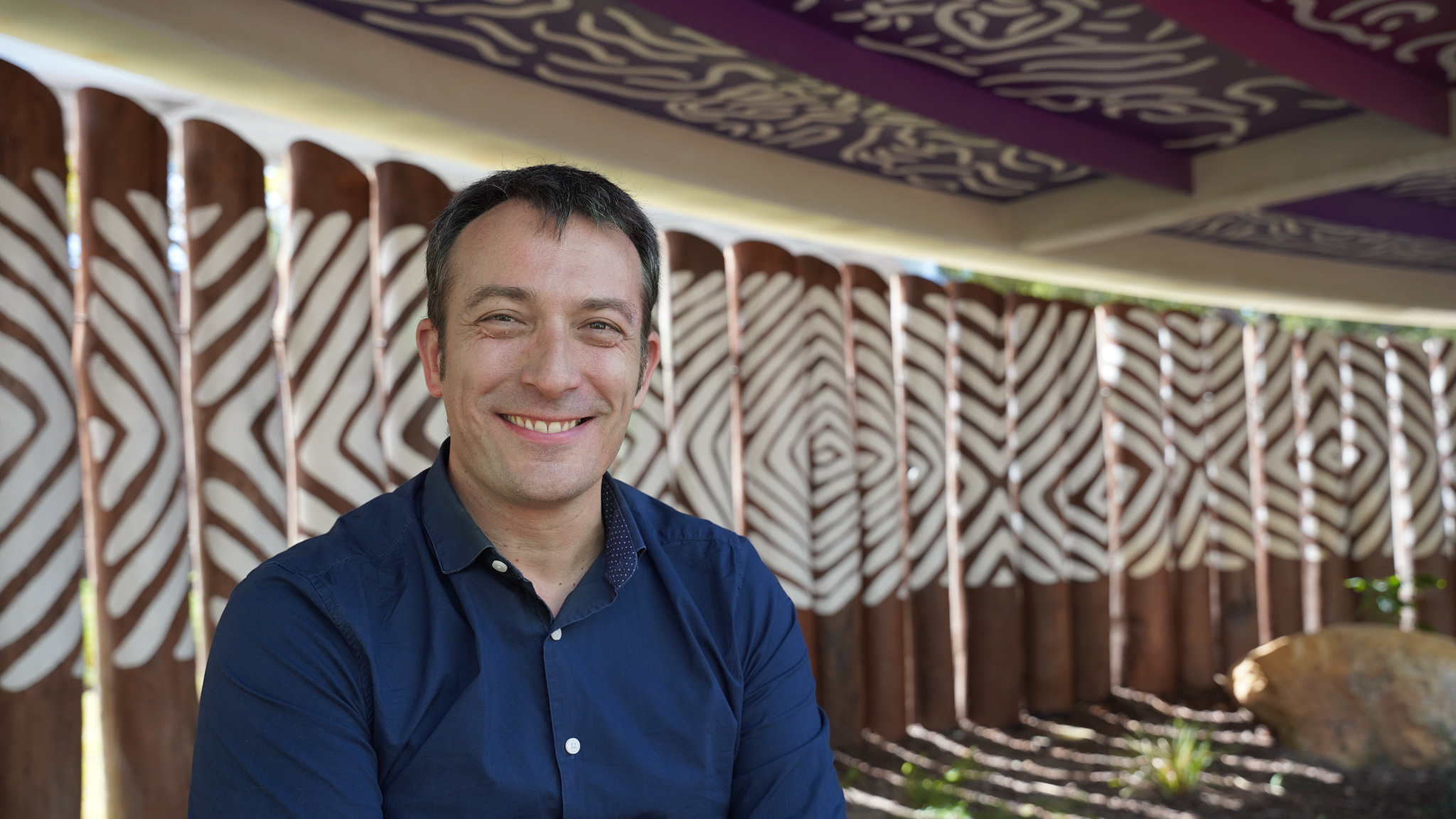
Dr Sébastien Malinge has received a Stan Perron Charitable Foundation Research Fellowship for his pioneering research, which is paving the way for safer, targeted therapies for children with hard-to-treat leukaemia
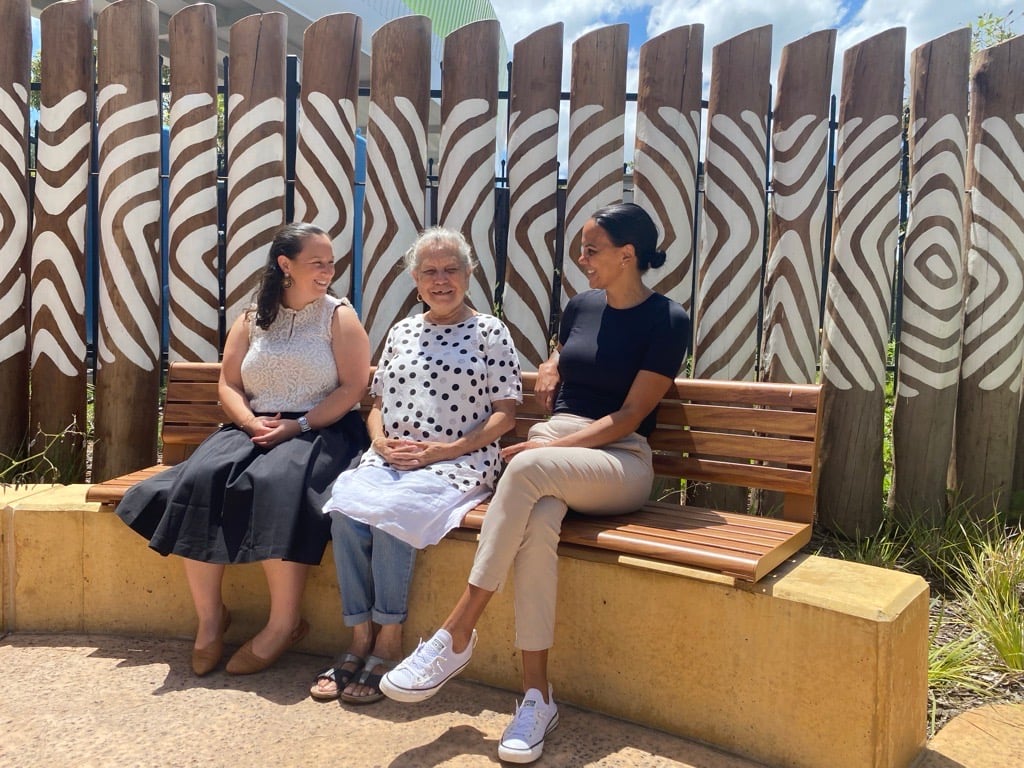
A first of its kind research program at The Kids Research Institute Australia aims to develop new strategies to better treat First Nations children with cancer.
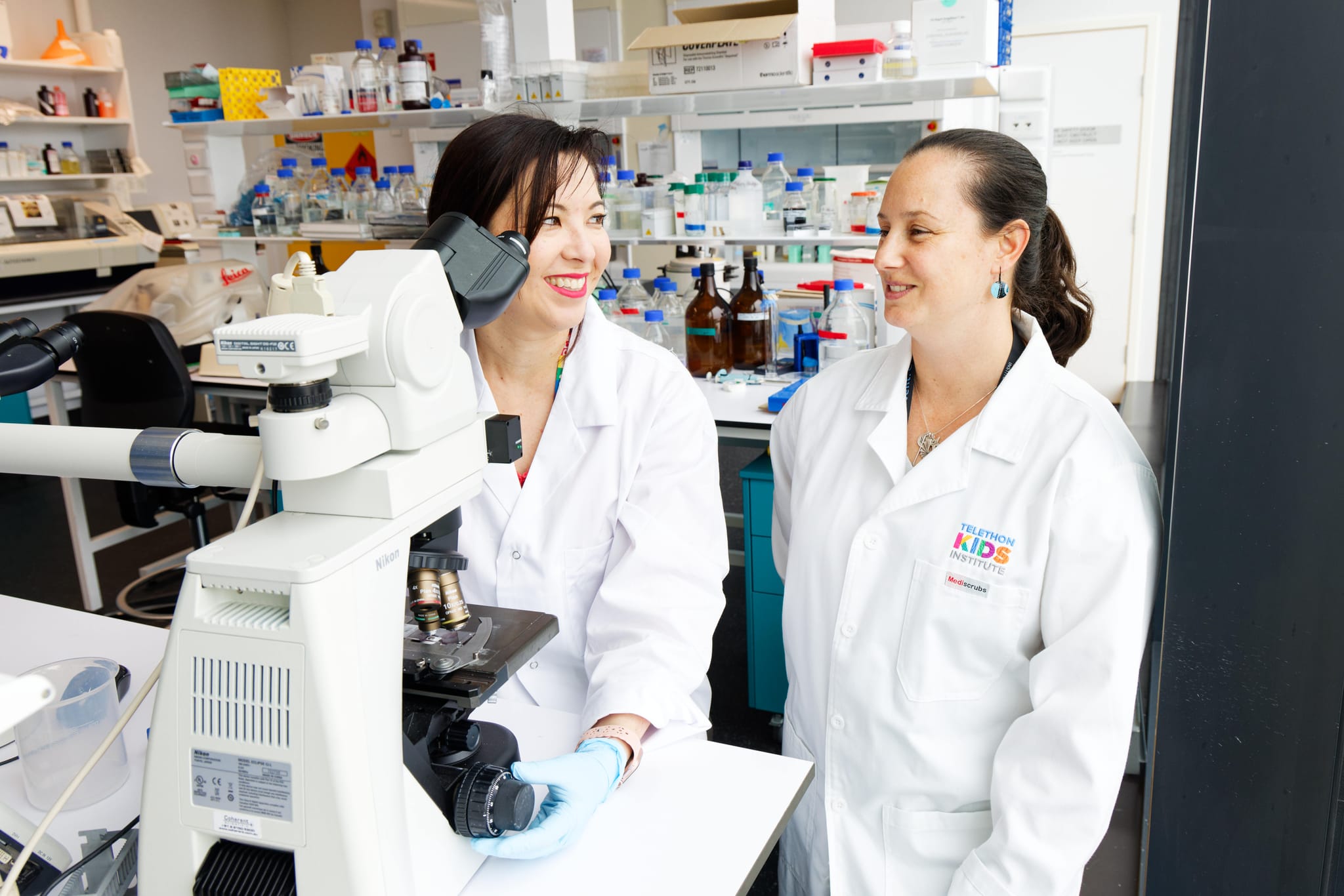
Dr Jessica Buck and Associate Professor Raelene Endersby have been appointed to the prestigious Australian Brain Cancer Mission Expert Advisory Panel.
Children with Down syndrome (DS) are at increased risk of developing haematological malignancies, in particular acute megakaryoblastic leukaemia and acute lymphoblastic leukaemia. The microenvironment established by abnormal haematopoiesis driven by trisomy 21 is compounded by additional genetic and epigenetic changes that can drive leukaemogenesis in patients with DS.
Event-free survival considers other adverse events in addition to mortality. It therefore provides a more complete understanding of the effectiveness and consequences of treatment than standard survival measures, but is rarely reported at the population level for childhood cancer.