
Search
Tropomyosin receptor kinase (TRK) fusions are detected in less than 2% of central nervous system tumors. There are limited data on the clinical course of affected patients.
Surgery is an essential part of cancer treatment, particularly for localised solid tumours. Geriatric assessments (GA) with tailored interventions or comprehensive GA (CGA) can identify frailty factors and needs of older adults with cancer, assisting treatment decisions and care strategies to reduce postoperative complications. This systematic review summarises the effects of GA/CGA compared to usual care for older adults with cancer intended for surgery: their impact on treatment decisions, supportive care interventions, postoperative complications, survival, and health-related quality of life.
Mesothelioma is a lethal cancer. Despite promising outcomes associated with immunotherapy, durable responses remain restricted to a minority of patients, highlighting the need for improved strategies that better predict outcome. Here, we described the development of a mesothelioma-specific gene signature that accurately predicts survival.
Cancer prevention and care efforts have been challenged by the COVID-19 pandemic and armed conflicts, resulting in a decline in the global Human Development Index (HDI), particularly in low- and middle-income countries. These challenges and subsequent shifts in health care priorities underscore the need to continuously monitor cancer outcome disparities and statistics globally to ensure delivery of equitable and optimal cancer prevention and care in uncertain times.
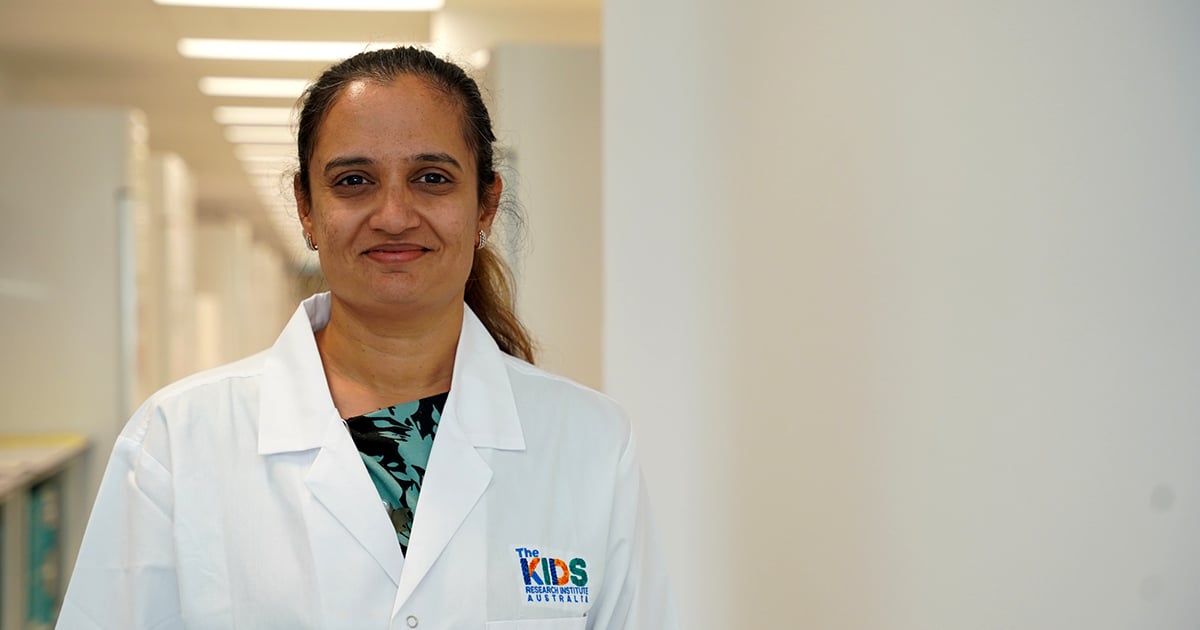
A landmark study led by Dr Hetal Dholaria, The Kids Research Institute Australia researcher and Perth Children’s Hospital Oncologist, has confirmed that a “wait and watch” approach for newborns diagnosed with neuroblastoma is not only safe, but effective over the long term.
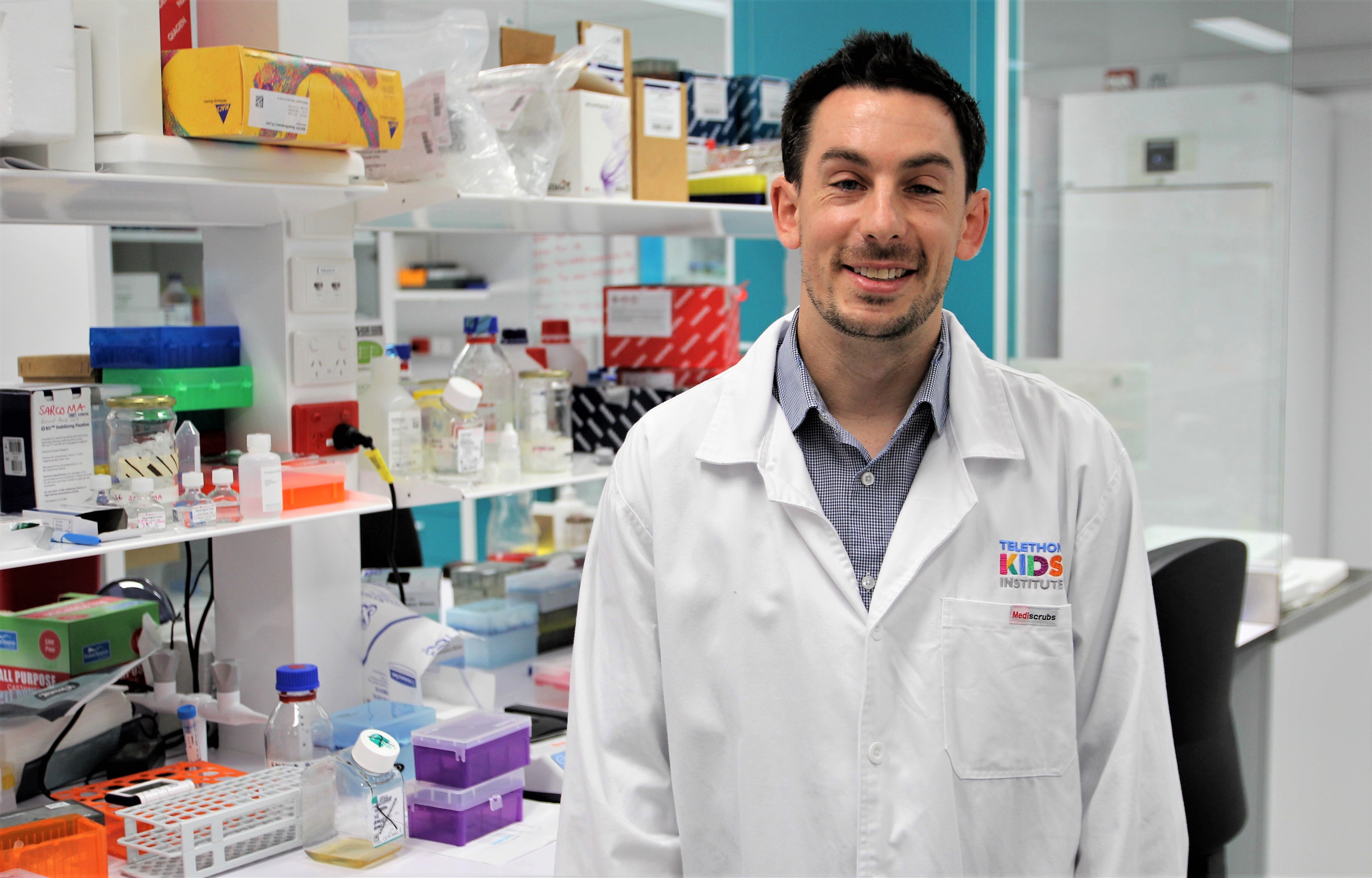
Cure Cancer and The Kids Research Institute Australia researcher Dr Ben Wylie announced new potential treatment in time for Childhood Sarcoma Awareness month.
This study combines two innovative mouse models in a major gene discovery project to assess the influence of host genetics on asbestos related disease (ARD). Conventional genetics studies provided evidence that some susceptibility to mesothelioma is genetic. However, the identification of host modifier genes, the roles they may play, and whether they contribute to disease susceptibility remain unknown.
DNA-informed prescribing (termed pharmacogenomics, PGx) is the epitome of personalised medicine. Despite international guidelines existing, its implementation in paediatric oncology remains sparse.
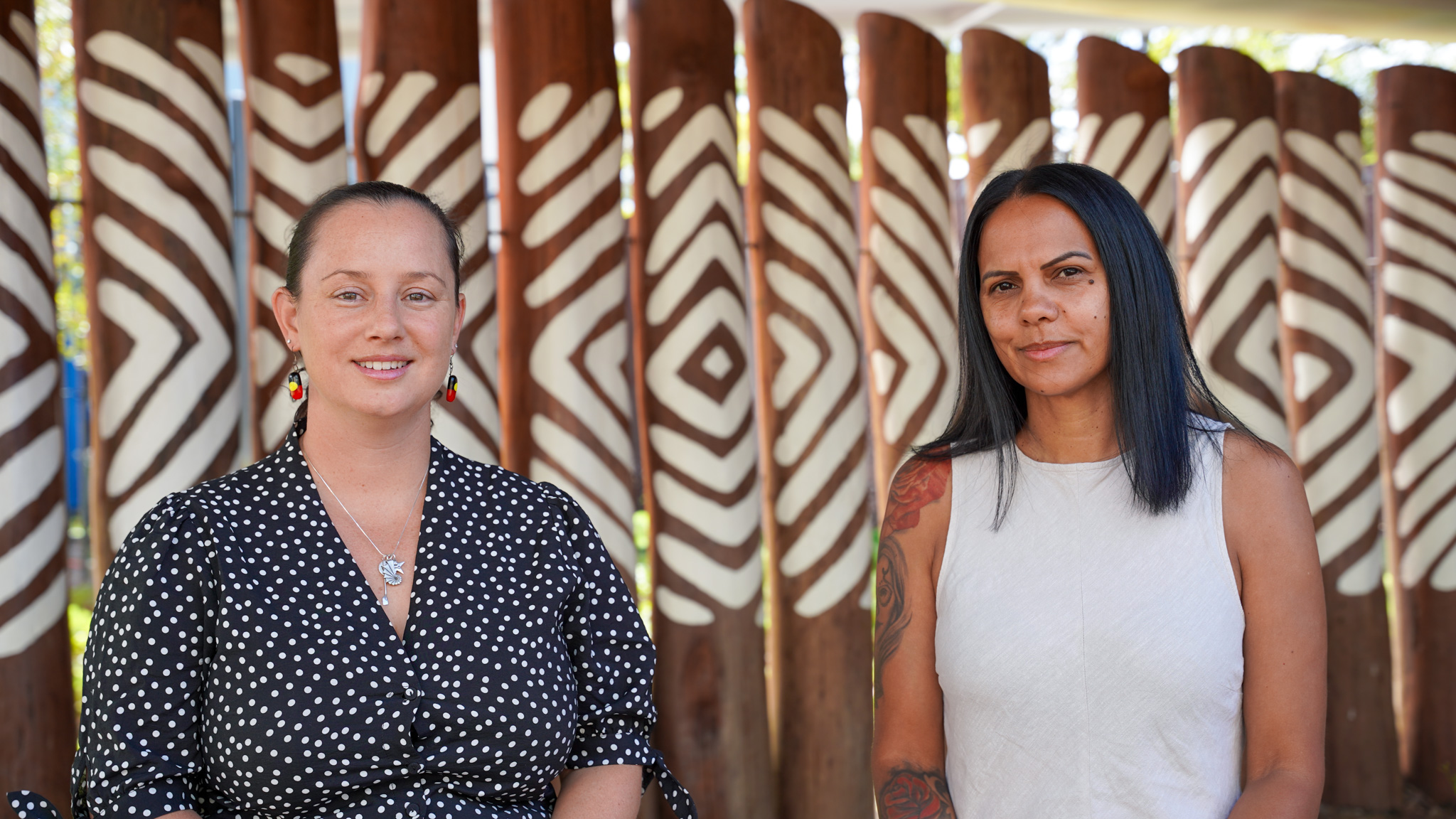
A first of its kind research program at The Kids Research Institute Australia aims to develop new strategies to better treat Aboriginal and Torres Strait Islander children with cancer.