
Search
The aim of the present study was to compare scale and conditional reliability derived from item response theory analyses among the most commonly used, as well as several newly developed, observation, interview, and parent-report autism instruments.
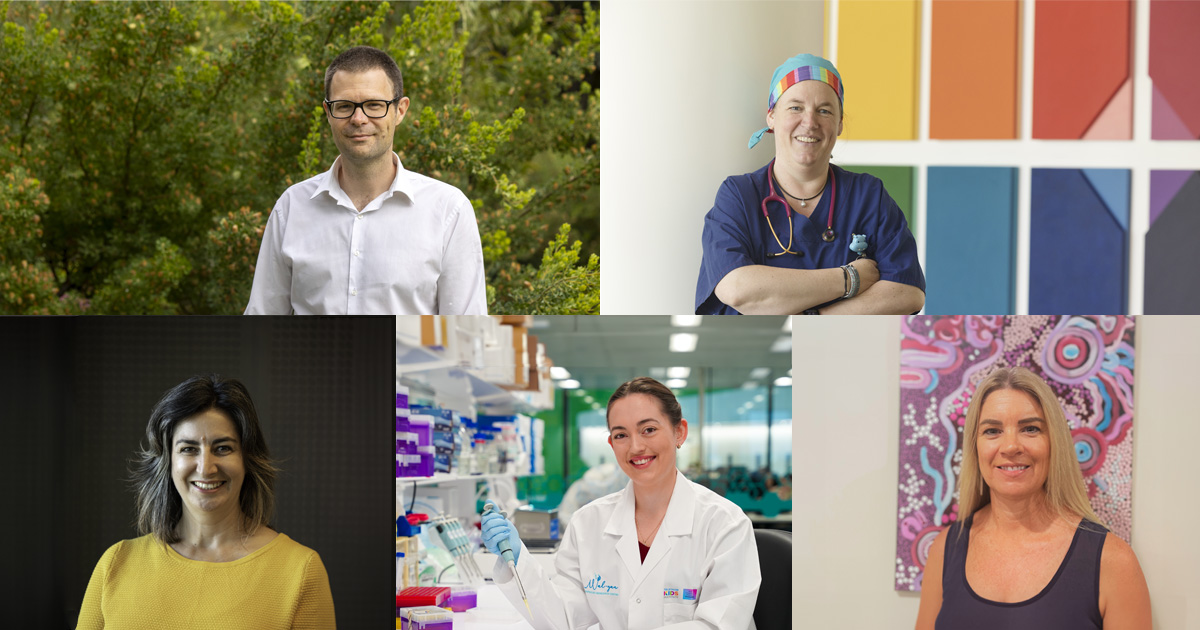
Five The Kids Research Institute Australia researchers working across diverse and highly impactful areas of child health research have been named as finalists for the 2023 Premier’s Science Awards.
Economic preferences may be shaped by exposure to sex hormones around birth. Prior studies of economic preferences and numerous other phenotypic characteristics use digit ratios (2D : 4D), a purported proxy for prenatal testosterone exposure, whose validity has recently been questioned. We use direct measures of neonatal sex hormones (testosterone and oestrogen), measured from umbilical cord blood (n = 200) to investigate their association with later-life economic preferences (risk preferences, competitiveness, time preferences and social preferences) in an Australian cohort (Raine Study Gen2).
Reading and writing are crucial life skills but roughly one in ten children are affected by dyslexia, which can persist into adulthood. Family studies of dyslexia suggest heritability up to 70%, yet few convincing genetic markers have been found.
This study aimed to understand how parents describe the most challenging behaviors exhibited by their children diagnosed with autism and/or ADHD, how those behaviours impact their family, and whether challenges are directly related to the core characteristics of these conditions.
Autism spectrum disorder (ASD), a neurodevelopmental condition characterised by social and communication differences, is complex and aetiologically heterogeneous. Untargeted metabolomics is emerging as a tool in screening for biochemical abnormalities. This research was conducted using the Australian Autism Biobank resource and involved analysis of plasma metabolites to characterise metabolite differences between autistic children and controls.
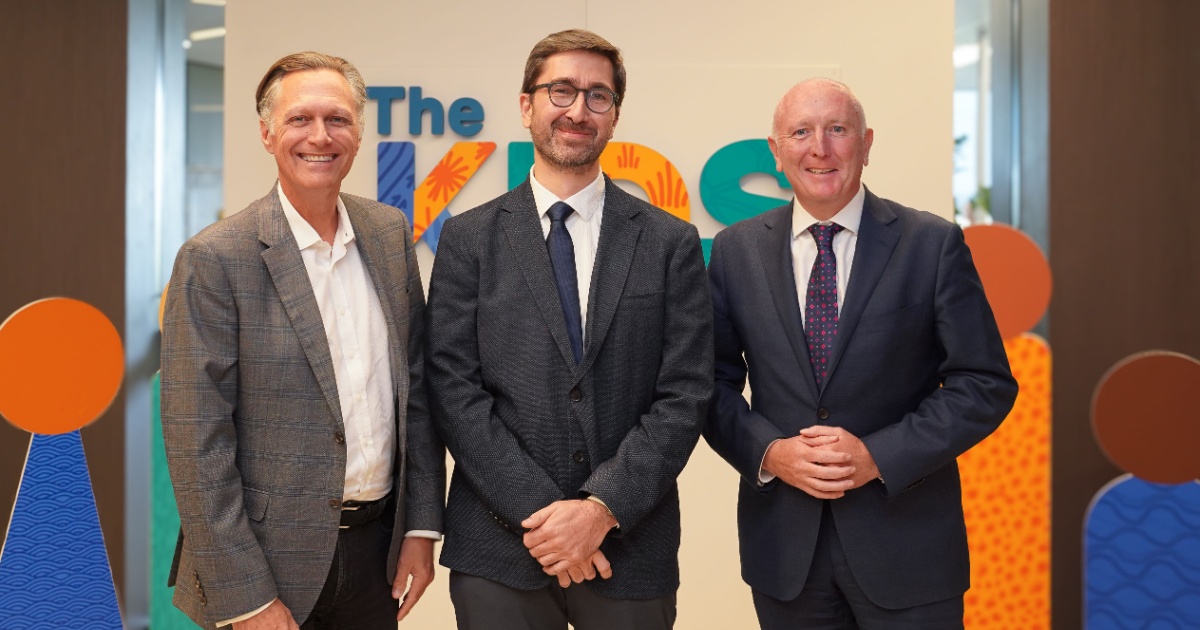
A leading autism scientist has relocated to Perth to take up a new appointment at The Kids Research Institute Australia, thanks to a program designed to attract world-class health researchers to Western Australia.
We do not know much about what support services people think are okay for young autistic children. This study was a survey of 253 people. We asked autistic adults, parents, and professionals from Australia and New Zealand whether they thought it was okay to provide support services to autistic children.
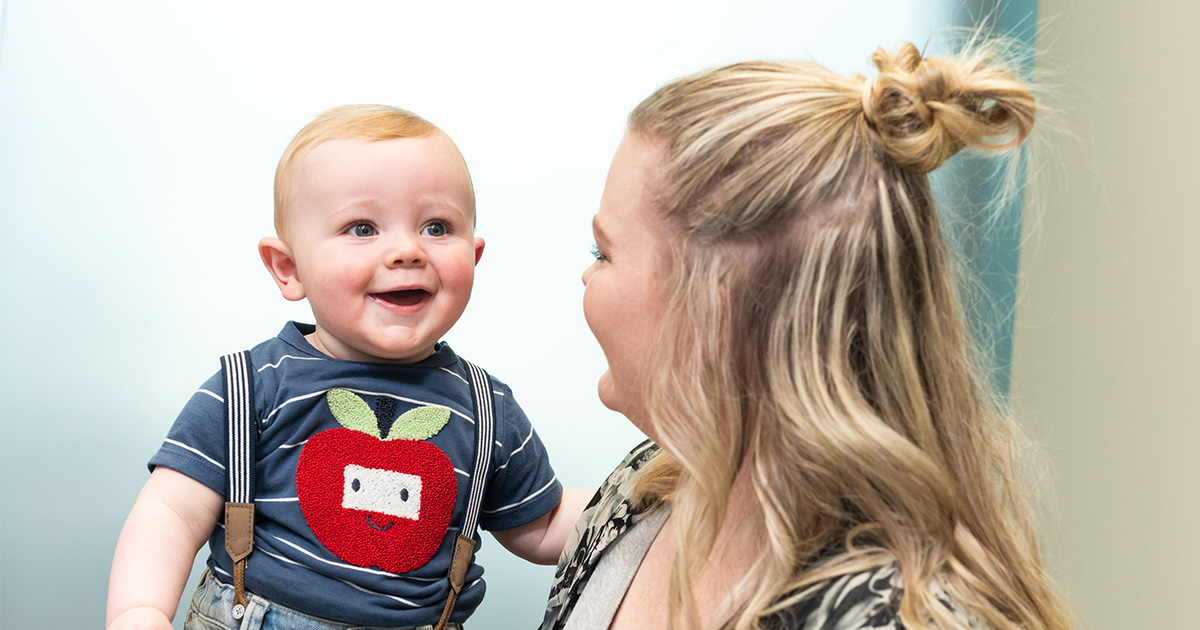
Inklings is a program to support babies aged 6-18 months showing early differences in their social interaction and communication development.