
Search
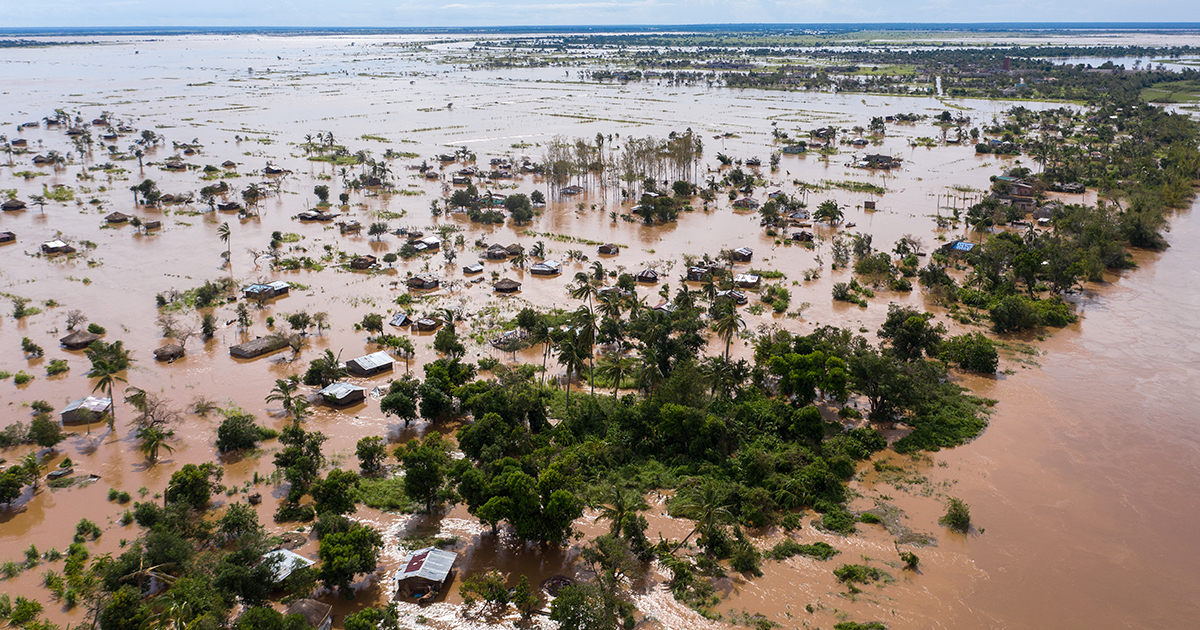
World-first research from The Kids Research Institute Australia and Curtin University predicts climate change could trigger more than 100 million additional malaria cases and 500,000 additional deaths in Africa by 2050, including substantial impacts on children.
The overarching purpose of this research is to tackle a pressing public health challenge: the declining rates of physical activity among children and their increasing reliance on private vehicles for the daily school commute.
Monitoring the number of COVID-19 patients in hospital beds was a critical component of Australia's real-time surveillance strategy for the disease. From 2021 to 2023, we produced short-term forecasts of bed occupancy to support public health decision-making.
Eradication and elimination strategies for lymphatic filariasis (LF) primarily rely on multiple rounds of annual mass drug administration (MDA), but also may benefit from vector control interventions conducted by malaria vector control programs. We aim to examine the overlap in LF prevalence and malaria vector control to identify potential gaps in program coverage.
Differential exposure and effect of malaria results from blends of biophysical, geospatial, and social determinants of health (SDoH). Likewise, effective policies and programmatic interventions against malaria must consider the complex interaction of social and spatial factors, while comprehensive health promotion approaches must simultaneously tackle SDoH and the ecological dimensions that drive malaria.
In the context of high malaria burden yet limited resources, Guinea's national malaria programme adopted an innovative subnational tailoring approach, including engagement of stakeholders, data review, and data analytics, to update their malaria operational plan for 2024-2026 and identify the most appropriate interventions for each district considering the resources available.
Child anthropometric deficits remain a major public health problem in Sub-Saharan Africa (SSA) and are a key target of the UN Sustainable Development Goals (SDGs). The SDGs recommend disaggregation of health indicators by ethnic group. However, few studies have assessed how ethnicity is associated with anthropometric deficits across SSA.
Post-acute sequelae of COVID-19 (PASC), or long COVID, are a public health concern. While most recover from SARS-CoV-2 infections within weeks, some experience persistent symptoms. Here, we quantified the association between repeated SARS-CoV-2 infections and the risk of hospital-diagnosed PASC.
Malaria remains a leading cause of illness and death globally, with countries in sub-Saharan Africa bearing a disproportionate burden. Global high-resolution maps of malaria prevalence, incidence, and mortality are crucial for tracking spatially heterogeneous progress against the disease and to inform strategic malaria control efforts. We present the latest such maps, the first since 2019, which cover the years 2000–22. The maps are accompanied by administrative-level summaries and include estimated COVID-19 pandemic-related impacts on malaria burden.
To characterise small-area geographical variation in the prevalence of diabetes in Australian youth. A combined statistical reconstruction and small-area estimation algorithm was applied to privacy-modulated data from the 2021 Australian Census.