
Search
Citation: MacDonald B, Burmaz M, Baker S, et al. TrialR: critical enablers and the need for reusable Rare Disease Clinical Trial infrastructure in
In recent years, a small number of people with rare diseases caused by unique genetic variants have been treated with therapies developed specifically for them. This pioneering field of genetic N-of-1 therapies is evolving rapidly, giving hope for the individualized treatment of people living with very rare diseases.
People living with rare diseases had a high risk of negative health outcomes due to COVID-19. Pandemic preparedness will ensure best practice procedures and optimal outcomes during future pandemic events. This paper sought to understand the needs of children with rare diseases during the COVID-19 pandemic to inform preparation for future pandemic and disaster events. First, impacts and outcomes from the COVID-19 pandemic on people living with rare disease were identified in the literature.

Recently, researchers from The Kids Research Institute Australia, Perth Children’s Hospital and The University of Western Australia contributed to three major international publications, collectively reinforcing rare diseases as a critical, community-wide health priority.

The Kids Research Institute Australia is proud to be a part of the Rare Care Comprehensive Centre (RCCC) for children with rare and undiagnosed disease, made possible thanks to one of Western Australia’s biggest philanthropic gifts.

Research that screens novel genetic variants identified in disease will be fast-tracked by a funding boost, offering new hope of an early diagnosis for families of children with a rare or undiagnosed genetic disease.
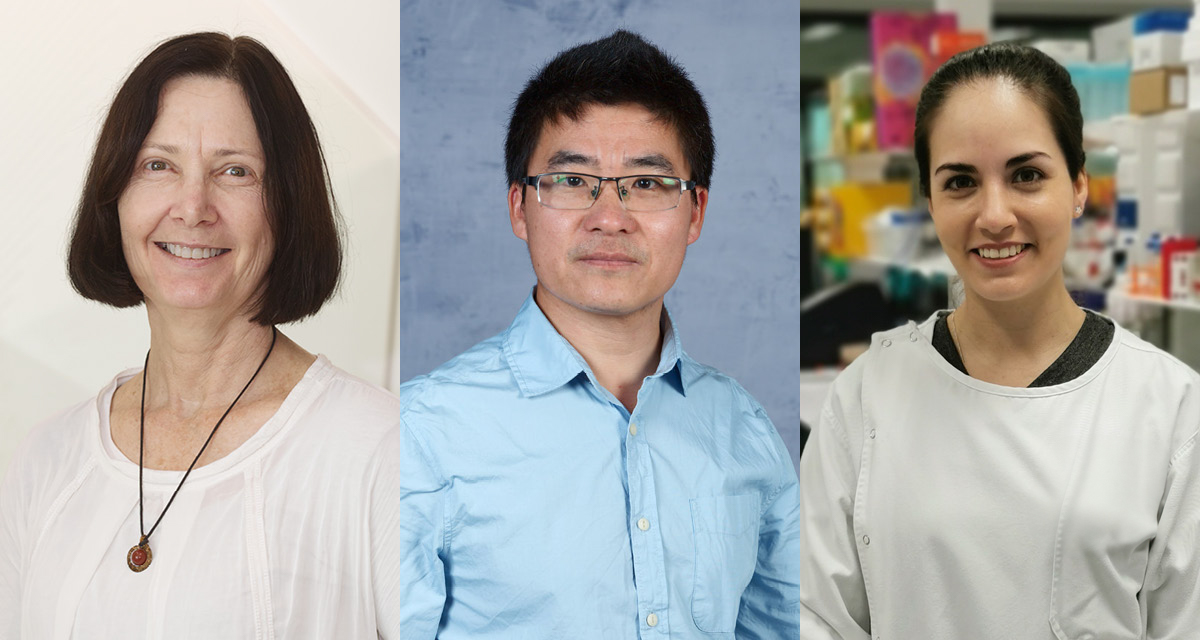
One of the researchers who helped crack the code of 10-year-old Northam girl Charlotte Patterson’s incredibly rare disease has received State Government funding that will allow her to use the same methods to rapidly assess the cases of hundreds more patients living with undiagnosed disease.