
Search
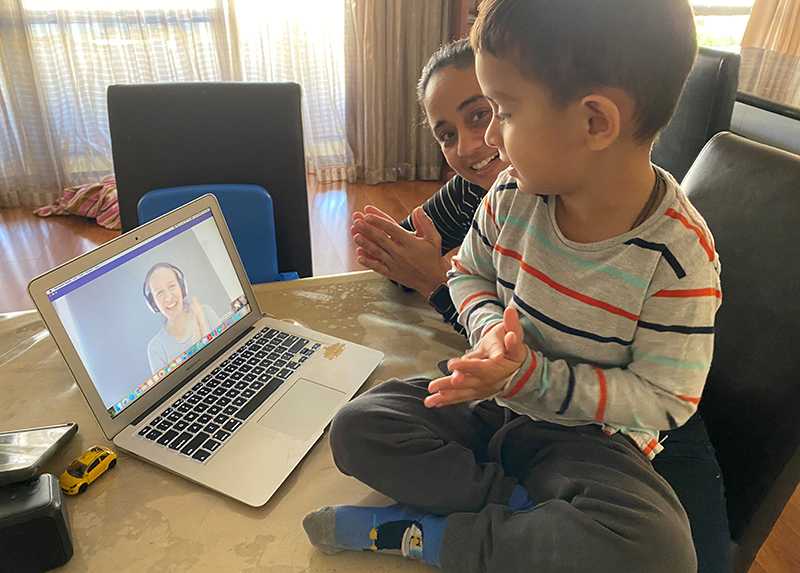
The CliniKids team has reimagined how allied health services for children with autism spectrum disorder or developmental delays are delivered.
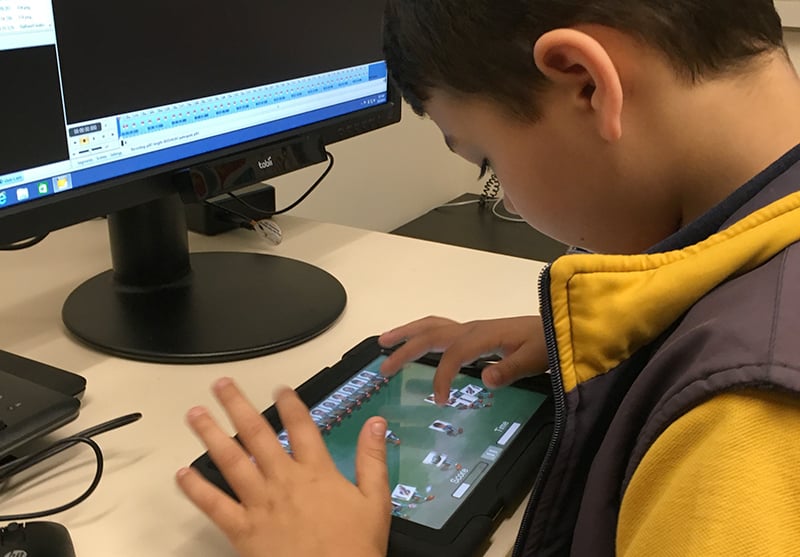
Researchers at The Kids Research Institute Australia and University of Western Australia have recently published data describing the use of an attention training game designed for school-aged children diagnosed with autism spectrum disorder (ASD).
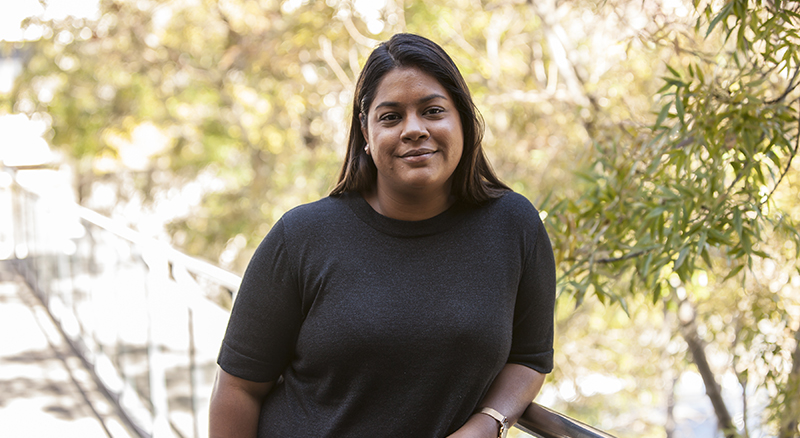
Autism researchers from The Kids Research Institute Australia have called for the term ‘high functioning autism’ to be abandoned because of the misleading and potentially harmful expectations it creates around the abilities of children on the autism spectrum.
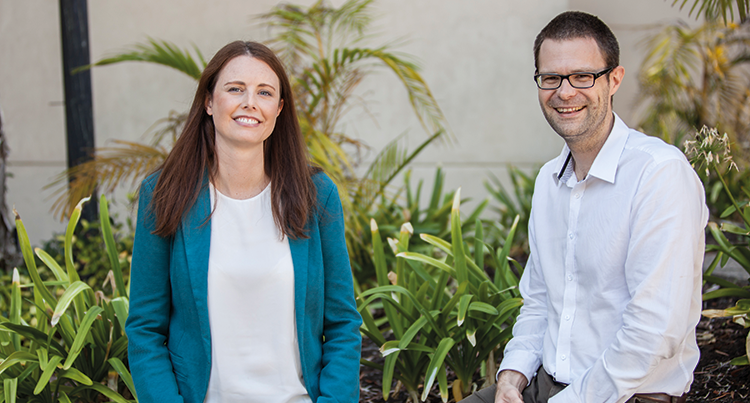
Professor Andrew Whitehouse tells how Australia’s first national guideline for the diagnosis of autism spectrum disorder is going to transform the way the condition is assessed and managed, vastly improving the experience for families.
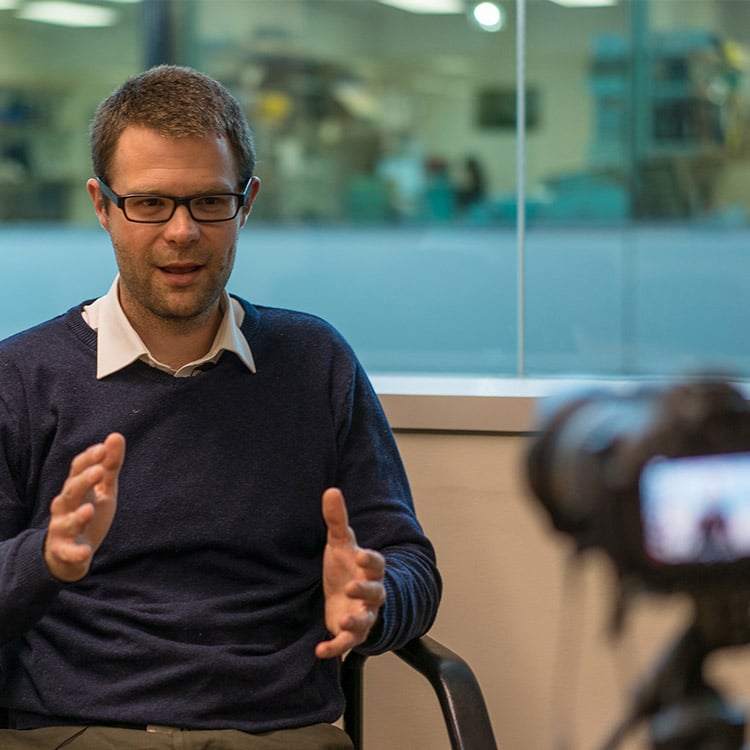
The Kids Research Institute Australia has two researchers and an innovative science engagement initiative as finalists in the 2017 Premier’s Science Awards.
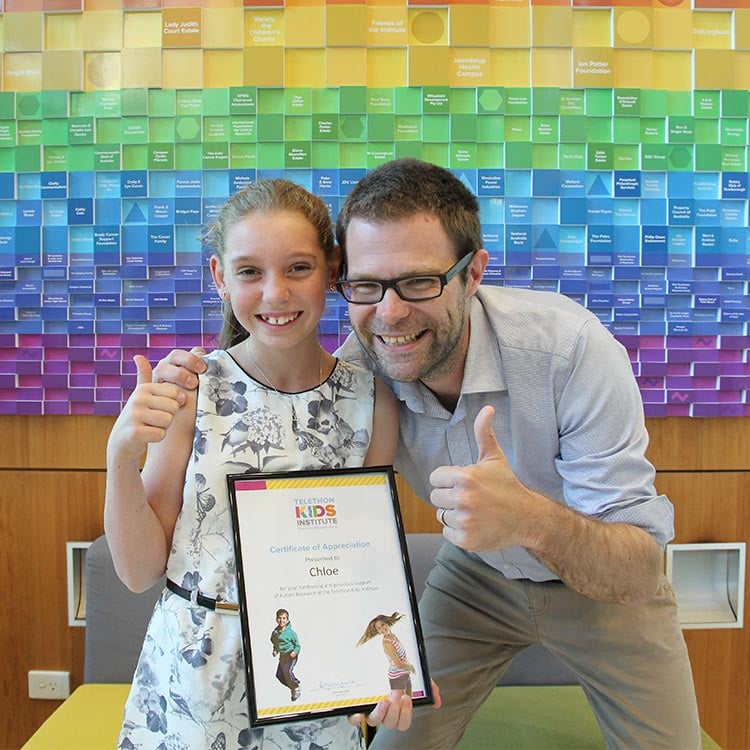
Chloe recently decided to bake cupcakes to sell to her school friends and teachers and it was all for a cause very close to her heart - autism research.
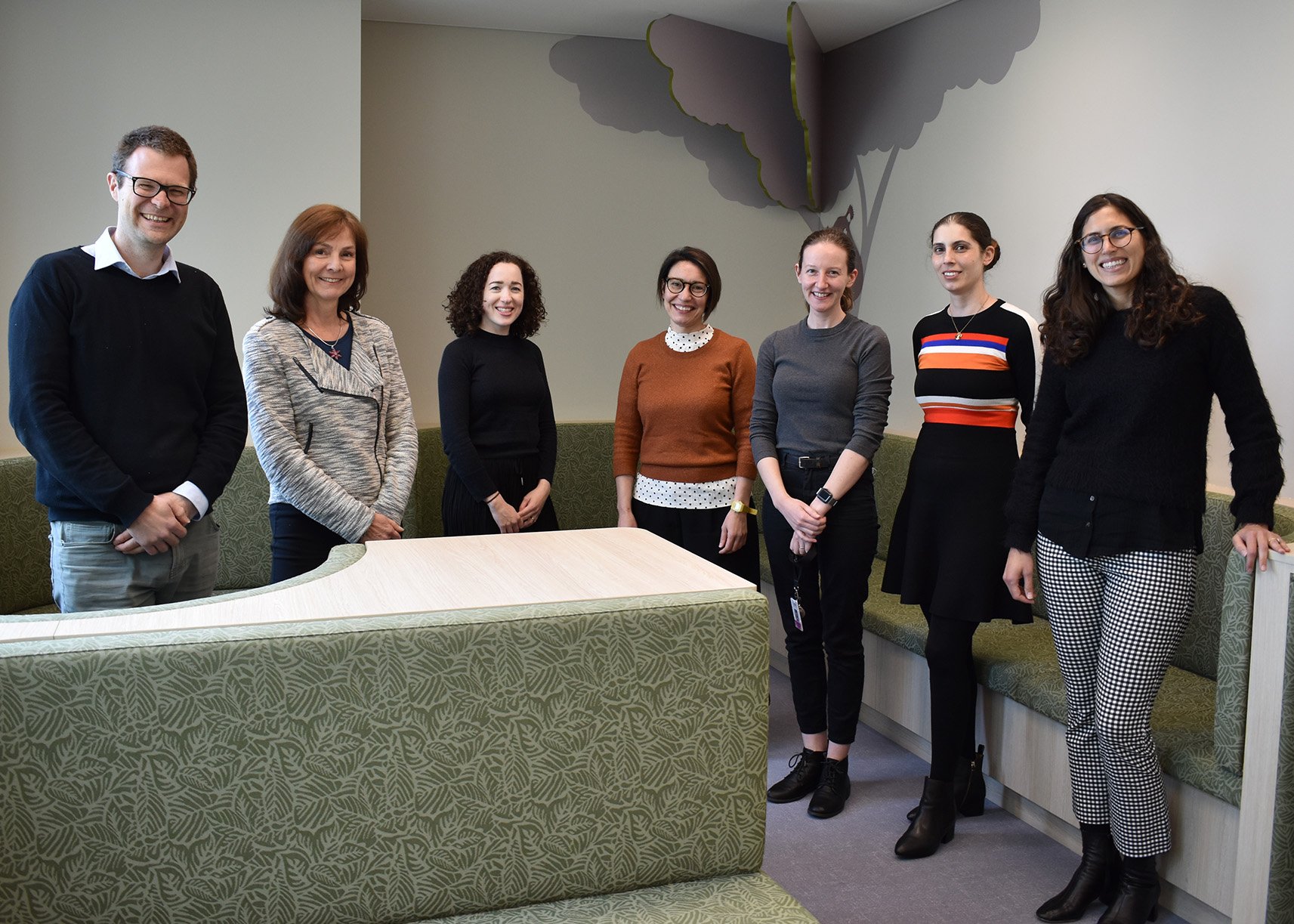
For Speech Pathology Week, we asked our speech pathologists to share their favourite resource/s and how they like to use it.

CliniKids is excited to welcome Dr Kandice Varcin to the team as part of a new partnership between The Kids Research Institute Australia and Griffith University.
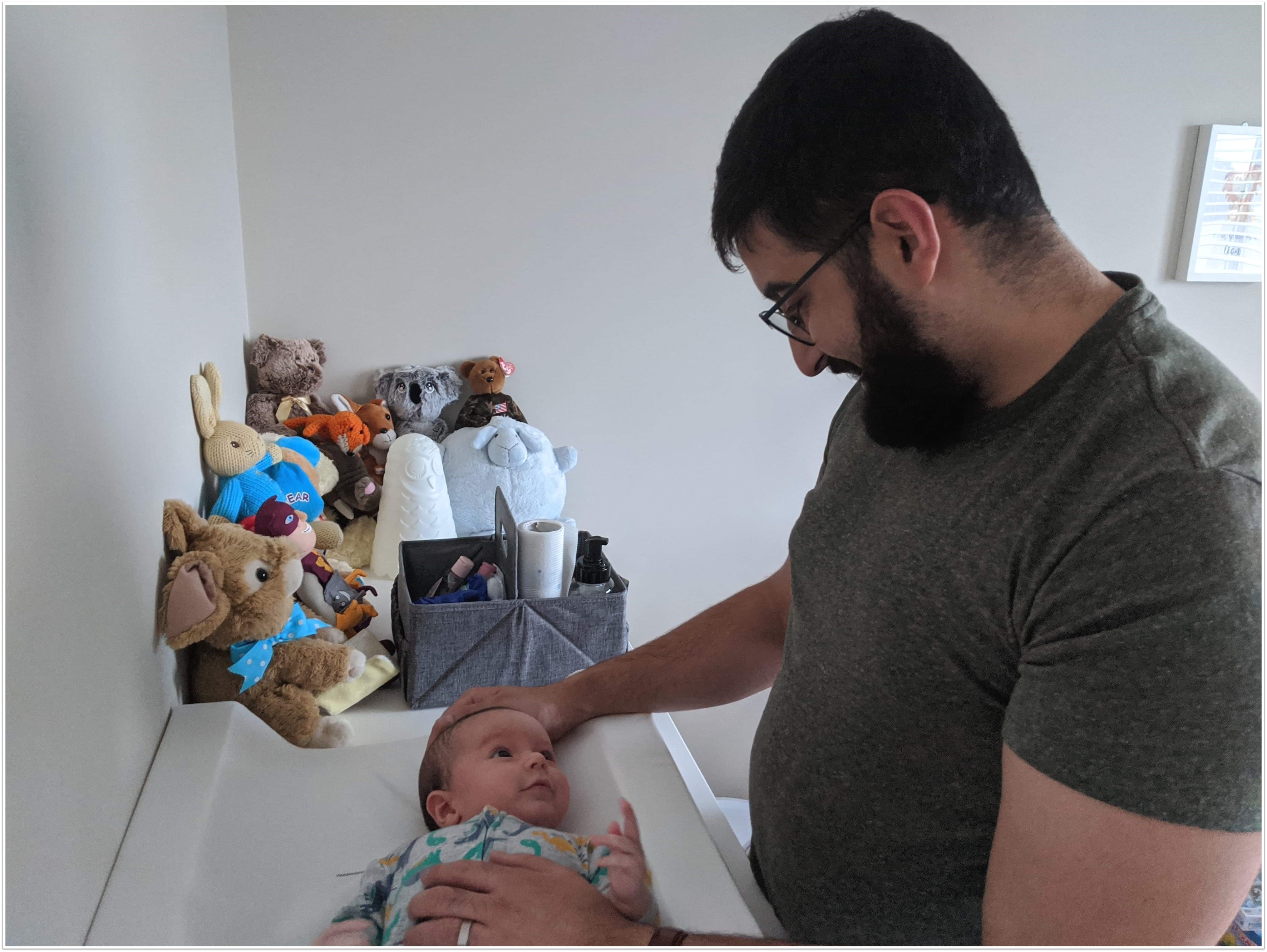
At CliniKids, it is important that the services we offer are informed by the children and families that utilise our services.
CliniSibs is an after-school small group program designed to support siblings of autistic children.