
Search
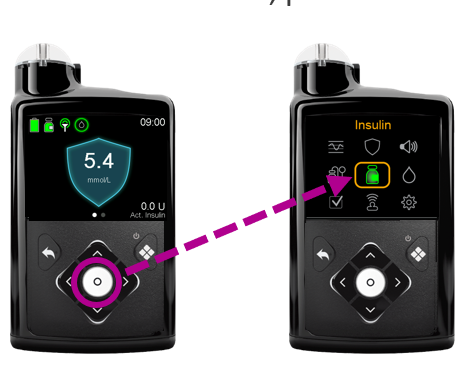
Medtronic have announced the release of the new Medtronic pump – the 780G with Smartguard features.

JDRF ONE TALK WITH... PROFESSOR LIZ DAVIS Tune into JDRF Australia instagram page Wednesday 20 October from 3PM WST to hear our Co-Director Professor Liz Davis chat about the diabetes research she's involved in and why she does it. JDRF Australia (@jdrfaus) • Instagram photos and videos
Scientific Launch Speakers Professor Liz Davis @ProfLizDavis @CDCTelethonKids Professor Davis is the Co-Director of the JDRF Global Centre of
The pattern and quantity of insulin required for high-protein high-fat (HPHF) meals is not well understood. This study aimed to determine the amount and delivery pattern of insulin required to maintain euglycemia for 5 hours after consuming a HPHF meal compared with a low-protein low-fat (LPLF) meal.
Dietary fat and protein impact postprandial hyperglycaemia in people with type 1 diabetes, but the underlying mechanisms are poorly understood. Glucoregulatory hormones are also known to modulate gastric emptying and may contribute to this effect.
Type 1 diabetes presents significant challenges for optimal management. Despite intensive glycaemic control being the standard of care for several decades, glycaemic targets are infrequently achieved and the burden of complications remains high. Therefore, the advancement of diabetes management technologies has a major role in reducing the clinical and economic impact of the disease on people living with type 1 diabetes and on health care systems.
Serum 25 hydroxyvitamin D [25(OH)D] levels of pregnant women have been linked to various health outcomes in their offspring. Satellite-derived ultraviolet radiation (UVR) data have been used as a proxy for 25(OH)D levels, as individual-level cohort studies are time-consuming, costly and only feasible for common outcomes.
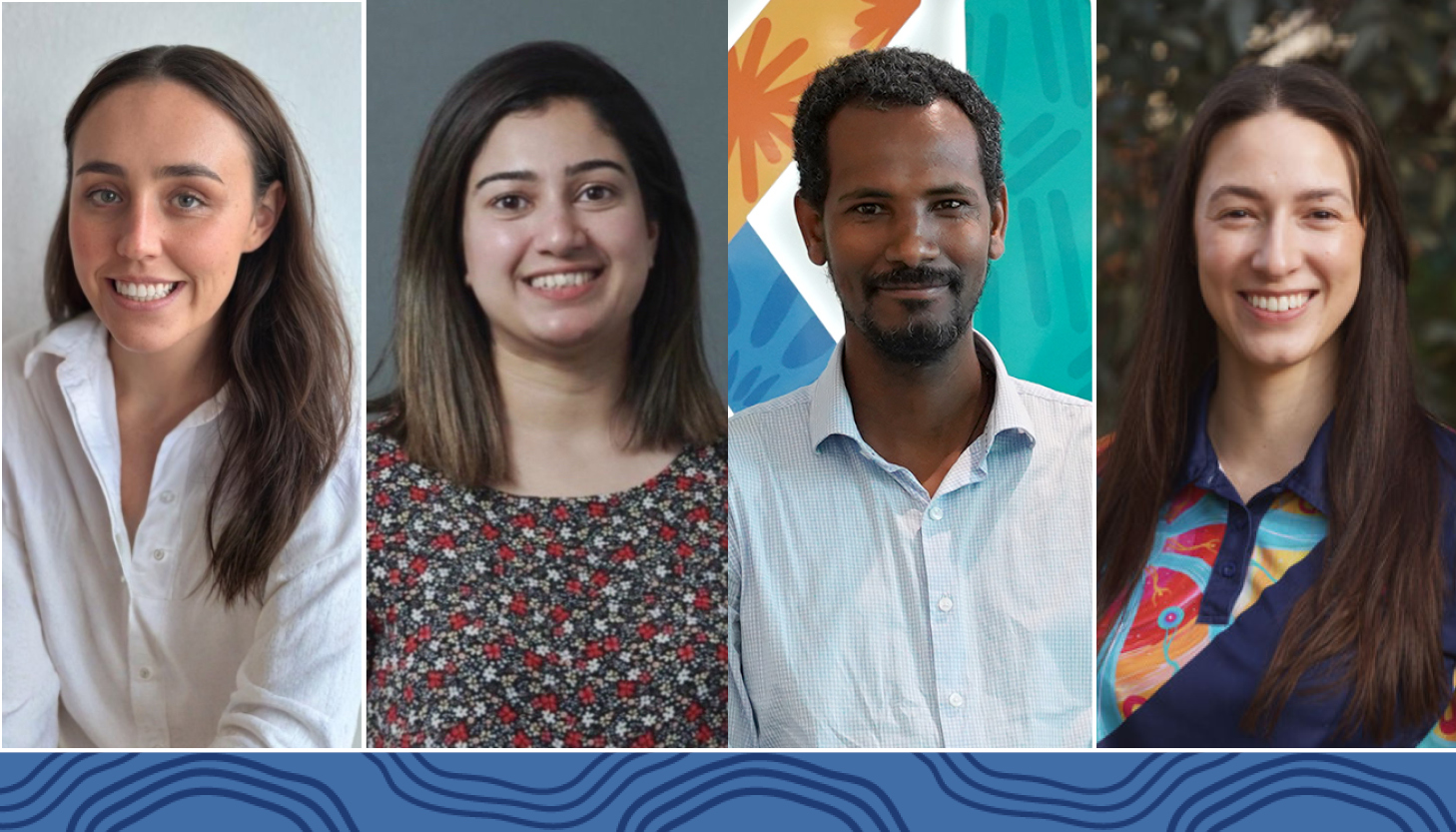
Congratulations to four outstanding early-career researchers from The Kids Research Institute Australia, who have been awarded BrightSpark Foundation fellowships and project funding for 2026.

We know many families have questions about the risk of COVID-19 to children with type 1 diabetes. To address these questions, Perth Children’s Hospital’s Diabetes Clinic has provided information and resources to help you navigate this tricky period.

The Centre is currently involved in an international effort to develop revolutionary closed- loop 'artificial pancreas' technology. It is also leading a multi-centre Australian trial of these portable devices at home in young people with diabetes.