
Search
Online youth-focused health programs often include parent modules—that equip parents with skills to assist their child in improving their health—alongside youth-specific content. BRAVE Self-Help, an evidence-based program designed for children and teenagers with early signs of anxiety, is a popular Australian program that includes six parent modules.
Leclercia adecarboxylata is a rare cause of septic arthritis in children, and has intrinsic resistance to common antibiotics. We describe two cases of L. adecarboxylata septic arthritis in children that required re-presentation to hospital with prolonged treatment, and highlight the importance of considering L. adecarboxylata as a potential cause of infection among children with penetrating injuries and associated environmental exposure.
Antisense oligonucleotides are an emerging therapeutic option to treat diseases with known genetic origin. In the age of personalised medicines, antisense oligonucleotides can sometimes be designed to target and bypass or overcome a patient's genetic mutation, in particular those lesions that compromise normal pre-mRNA processing. Antisense oligonucleotides can alter gene expression through a variety of mechanisms as determined by the chemistry and antisense oligomer design.
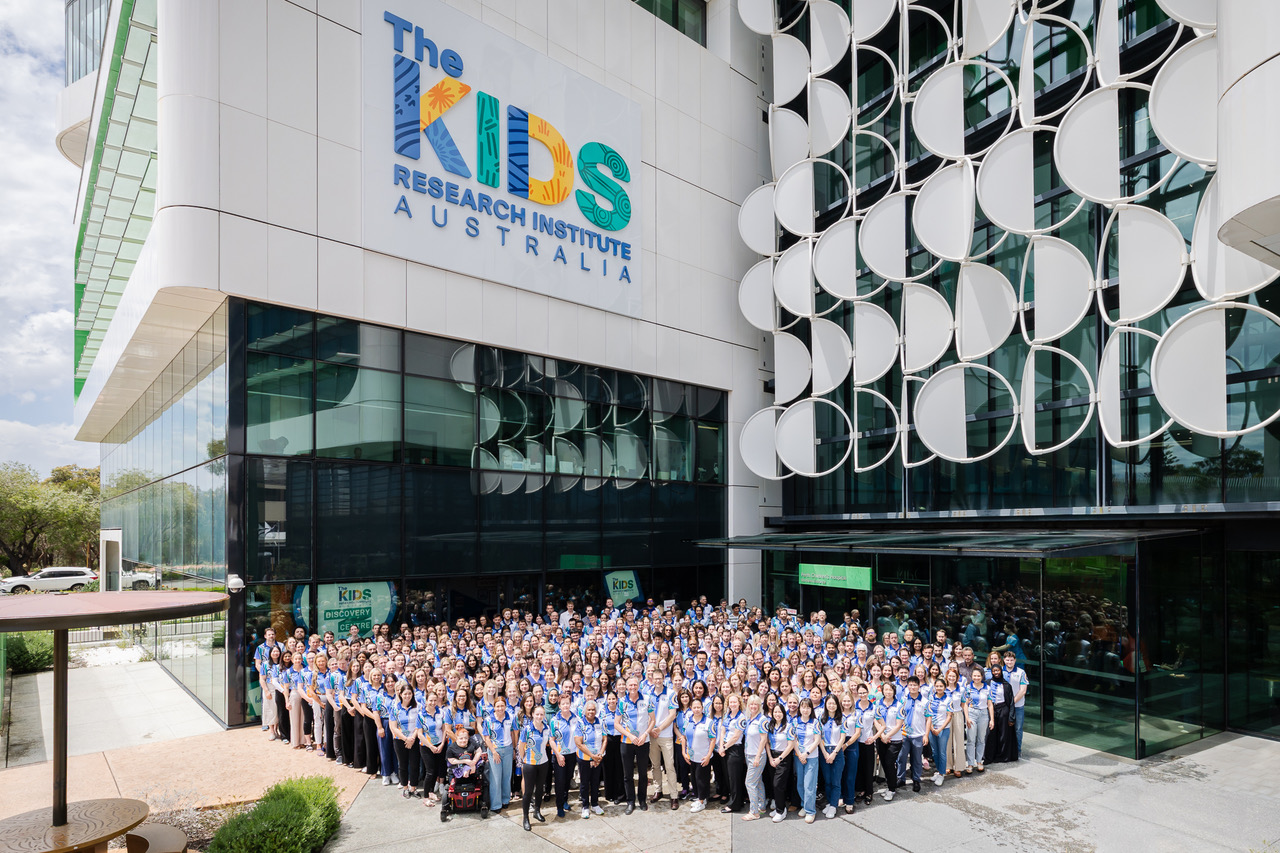
Last week, The Kids Research Institute Australia celebrated a remarkable milestone – 35 years of bold ideas, groundbreaking research, and the people who find answers to the big questions about better health outcomes for children and families.
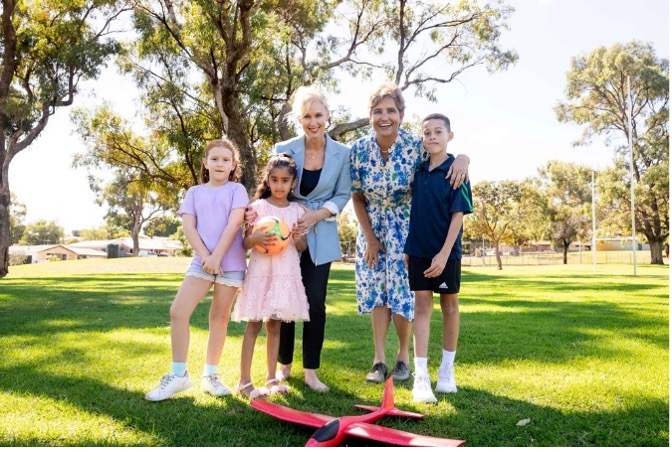
ORIGINS is celebrating a substantial funding increase for its world-class research into child and family health and wellbeing.
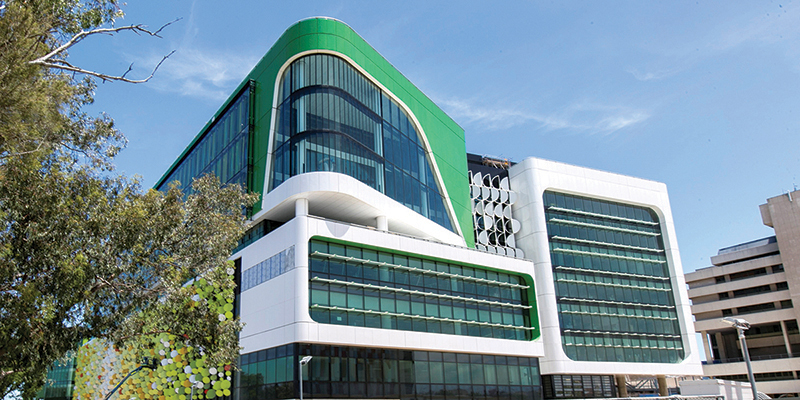
The Kids Research Institute Australia is one of 20 West Australian research facilities to share in $25 million funding under the State Government’s Research Infrastructure Support (RIS) program, through the Future Health Research and Innovation (FHRI) Fund.

Nine researchers from The Kids Research Institute Australia have secured vital support through the WA Near Miss Awards, allowing them to continue innovative health projects that narrowly missed out on national funding.

ORIGINS sub-project, The Flourishing Child, has received a $746,051 grant from the Medical Research Future Fund to develop a Flourishing Assessment and Pathway Tool to address gaps in early intervention for children's mental health.

An Australian study has revealed the clear link between eating breakfast and academic success, with students who skip breakfast some or all of the time achieving poorer NAPLAN results than children who always eat breakfast.

Six researchers from The Kids Research Institute Australia have been awarded $8.9 million in prestigious Investigator Grants from the National Health and Medical Research Council.