
Search
To improve early intervention and personalise treatment for individuals early on the psychosis continuum, a greater understanding of symptom dynamics is required. We address this by identifying and evaluating the movement between empirically derived attenuated psychotic symptomatic substates-clusters of symptoms that occur within individuals over time.
The concept of ultra-high risk for psychosis (UHR) has been at the forefront of psychiatric research for several decades, with the ultimate goal of preventing the onset of psychotic disorder in high-risk individuals. Orygen (Melbourne, Australia) has led a range of observational and intervention studies in this clinical population.
Promoting psychological well-being and preventing distress among pregnant women is an important public health goal. In addition to adversely impacting the mother's health and well-being, psychological distress in pregnancy increases the risk of poor pregnancy outcomes, compromises infant socioemotional development and bonding, and heightens maternal and child vulnerability in the postpartum period. Mindfulness and compassion-based interventions show potential for prevention and early intervention for perinatal distress.
The current study used a transdiagnostic approach to explore experiences of consumers and professionals on how the process of assessing and diagnosing neurodevelopmental conditions can be improved.
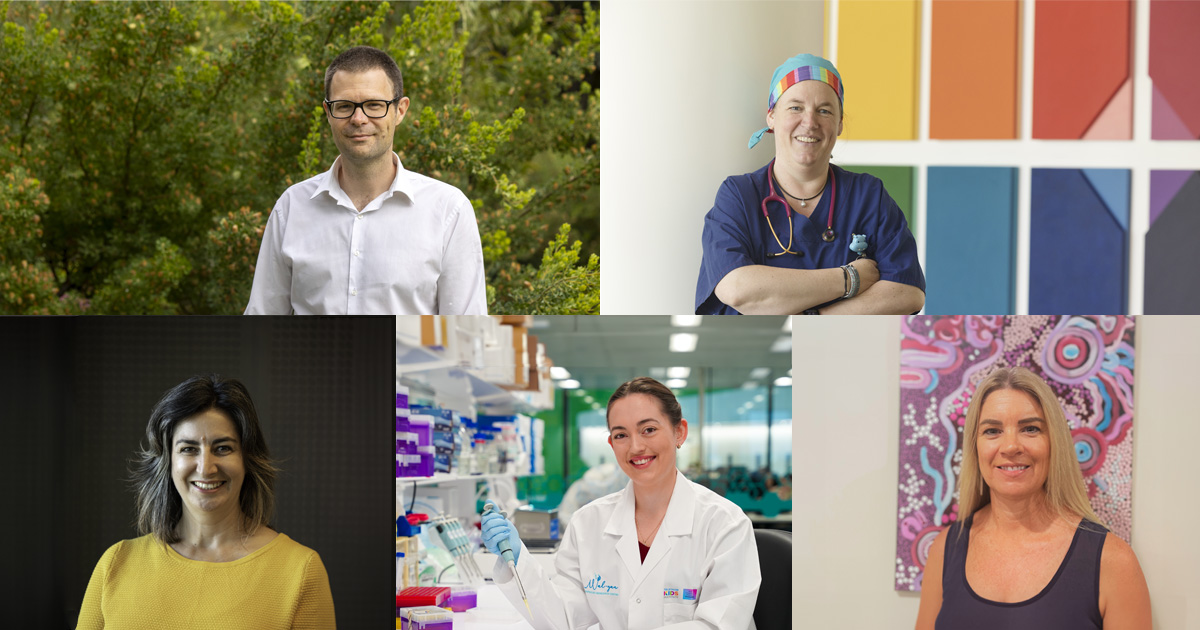
Five The Kids Research Institute Australia researchers working across diverse and highly impactful areas of child health research have been named as finalists for the 2023 Premier’s Science Awards.

Up to 50 homeless young people will be provided with training to help them recognise suicidal behaviour and make referrals to potentially life-saving resources, thanks to a grant from Suicide Prevention Australia.
One of the most traumatic injuries a child can experience is a severe burn. Despite improvements in medical treatments which have led to better physical outcomes and reduced mortality rates for paediatric burns patients, the psychological impact associated with experiencing such a traumatic injury has mostly been overlooked. This is concerning given the high incidence of psychopathology amongst paediatric burn survivors.
Asthma during pregnancy is associated with a range of adverse perinatal outcomes. It is also linked to increased rates of neurodevelopmental conditions in the offspring. We aimed to assess whether fractional exhaled nitric oxide (FENO)-based asthma management during pregnancy improves child developmental and behavioural outcomes compared to usual care. The Breathing for Life Trial was a randomised controlled trial that compared FENO-based asthma management during pregnancy to usual care.
There is limited but consistent evidence that suggests prenatal factors, including maternal stress, may contribute to susceptibility for otitis media. We aimed to determine the effect of multiple life stress events during pregnancy on risk of acute and recurrent otitis media in offspring at three and five years of age.
Young people who are lesbian, gay, bisexual, trans, queer or questioning, asexual and other diverse genders and sexualities (LGBTQA+) are at greater risk of adverse mental health outcomes and suicide, with additional barriers to accessing safe and affirming physical and mental health services in comparison to the general population.