
Search
This study investigated the influence of factors at birth and in infancy on the likelihood of achieving major motor milestones in CDKL5 Deficiency Disorder (CDD). Data on 350 individuals with a pathogenic CDKL5 variant was sourced from the International CDKL5 Disorder Database.
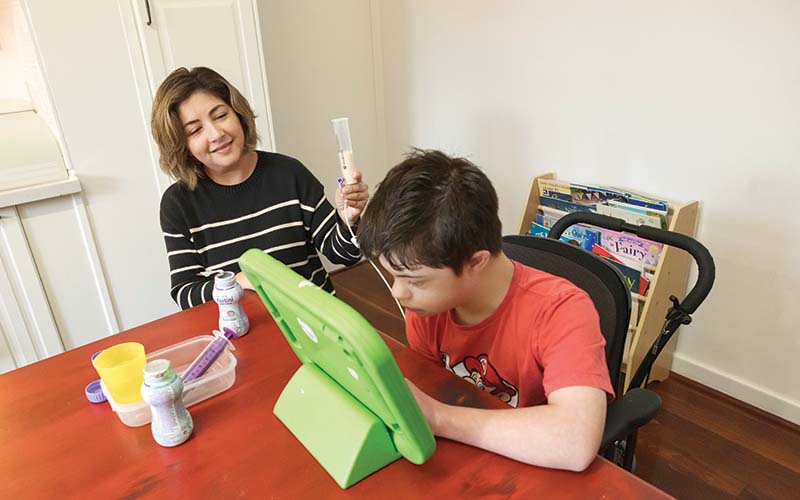
For thousands of children around Australia with intellectual and other disabilities, the process of eating can be traumatic, posing challenges that veer from uncomfortable to life threatening.
The study investigated the effect of seizure and medication burden at initial contact with the International CDKL5 Disorder Database on subsequent development and clinical severity and compared quality of life among those whose development progressed, remained stable, or regressed between baseline and follow-up.
Children born to parents with intellectual disability (ID) have been shown as disproportionally represented in child protection services however with limited population-based research.

Professor Carol Bower has received the prestigious ICBDSR Distinguished Service Award for her work on birth defects - a career that spans 35 years.
To explore how those with a physical illness in childhood are managing in relationships across childhood to young adulthood.
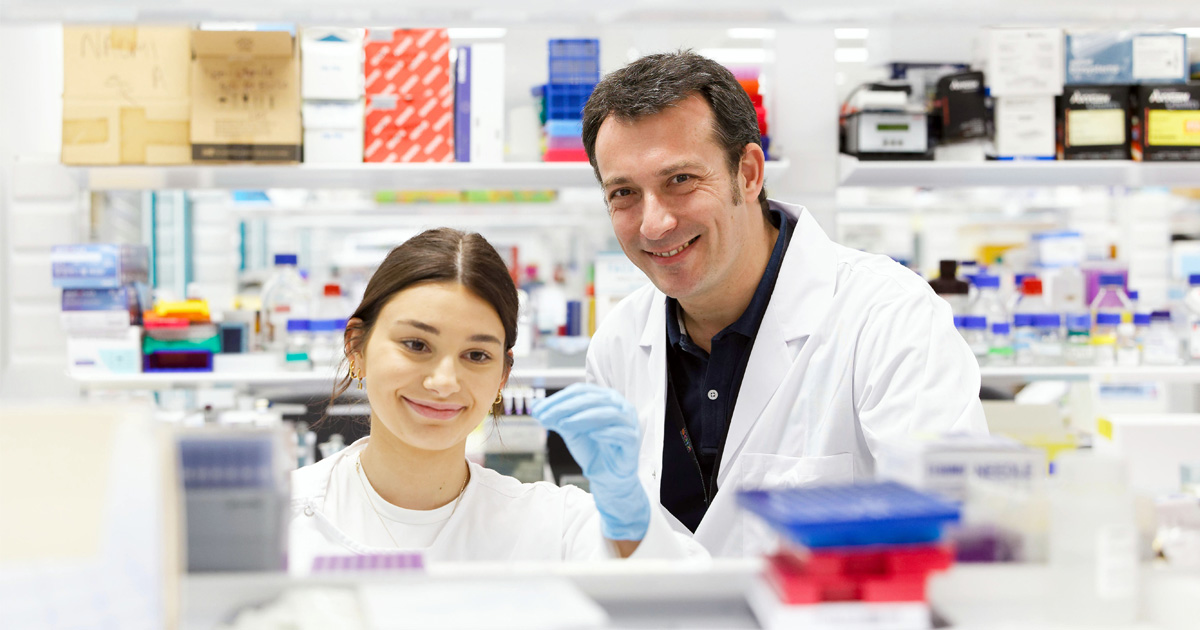
A team of world-leading scientists has secured $5 million in funding from the Leukaemia and Lymphoma Society to advance the fight against leukaemia in children with Down syndrome.
Caregivers of individuals with neurodevelopmental and chronic health conditions require health literacy (HL) skills for the long-term management of these conditions. The aim of this rapid review was to investigate the efficacy of HL interventions for these caregivers.
To establish the burden of respiratory illness in cerebral palsy (CP) on the Western Australian health care system by quantifying the costs of respiratory hospitalizations in children with CP, compared with non-respiratory hospitalizations.
To investigate the potential risk factors of respiratory illness (ethnicity, oral health, and eating and drinking ability) in children and young adults with cerebral palsy.