
Search
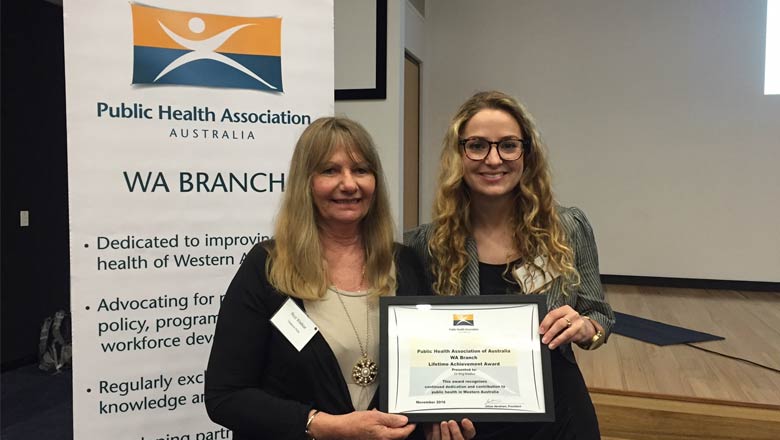
Two The Kids researchers working to improve the health & wellbeing of Aboriginal children & their families have both been honoured at the PHAA Awards.
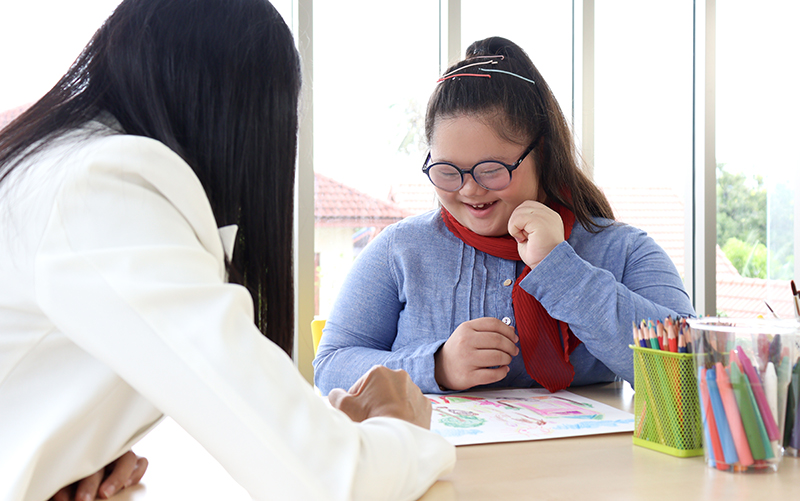
The Kids Research Institute Australia researchers have called for a greater focus on creating opportunities for children with disability to participate in the community, after finding a clear link between participation and better quality of life.
We aimed to describe birth prevalence of rare craniofacial anomalies and associations with antenatal and perinatal factors. All live and stillbirths in Western Australia between 1980 and 2010 were identified from the Western Australian Birth Registrations and the Midwives Notification System (also provides information on antenatal and perinatal factors).
People with a disability may spend more time sitting and lying (“downtime”) and less time standing and walking (“uptime”). Caregivers and therapists supporting individuals with Rett syndrome were surveyed, aiming to gather insights on how to support participation in “uptime” activities.
Playgroups are widely used throughout the Australian community yet understanding of their efficacy is hindered by inconsistent playgroup definitions and practice principles. This study aimed to develop, implement and evaluate the feasibility of a manualised therapeutic playgroup for children with developmental delay and their families using a three step process.
Children with neurodevelopmental disorders share common phenotypes, support needs and comorbidities. Such overlap suggests the value of transdiagnostic assessment pathways that contribute to knowledge about research and clinical needs of these children and their families.
Altered mental status is a major criterion for a diagnosis of encephalitis to be made with alteration in behavior, a key manifestation of altered mental status. We reviewed all evaluated cases identified by the Australian Childhood Encephalitis study between May 2013 and June 2018.
To describe trends, age, and sex-specific patterns of population hospital admissions with a diagnosis of craniosynostosis (CS) in Australia. Population data for hospital separations (in-patient) from public and private hospitals (July 1996-June 2018) were obtained from the publicly available Australian Institute of Health and Welfare (AIHW) National Hospital Morbidity Database.
To describe the major congenital anomalies present in children with postneonatally acquired cerebral palsy (CP), and to compare clinical outcomes and cause of postneonatally acquired CP between children with and without anomalies.
CDKL5 deficiency disorder (CDD), a severe developmental and epileptic encephalopathy, is being diagnosed earlier with improved access to genetic testing, but this may also have unanticipated impacts on parents’ experience receiving the diagnosis. This study explores the lived experience of parents receiving a diagnosis of CDD for their child using mixed methods.