Search
More than 1 in 5 children experience neglect, exposing them to several adverse consequences. Children with intellectual disability experience additional neglect related challenges. Public perceptions significantly influence the identification, intervention, and prevention of child neglect.
Given the rise of multidrug-resistant (MDR) Pseudomonas aeruginosa infections, alternative treatments are needed. Anti-pseudomonal phage therapy shows promise, but its clinical application is limited due to the development of resistance and a lack of biofilm penetration.
The highest incidence of sepsis across all age groups occurs in neonates leading to substantial mortality and morbidity. Cardiovascular dysfunction frequently complicates neonatal sepsis including biventricular systolic and/or diastolic dysfunction, vasoregulatory failure, and pulmonary arterial hypertension.
Since 1955, the recommended strategy for rheumatic heart disease secondary prophylaxis has been benzathine penicillin G injections administered intramuscularly every 4 weeks. Due to dosing frequency, pain, and programmatic challenges, adherence is suboptimal. It has previously been demonstrated that BPG delivered subcutaneously at a standard dose is safe and tolerable and has favorable pharmacokinetics, setting the scene for improved regimens with less frequent administration.
Scabies is one of the world’s most prevalent diseases, with approximately 147 million cases at any one time and an estimated annual incidence of 455 million new episodes. Although Group A streptococcal (GAS) pharyngitis has long been implicated in the pathogenesis of acute rheumatic fever (ARF) and subsequent rheumatic heart disease (RHD), impetigo caused by GAS has recently been postulated as a link between scabies and the pathogenesis of ARF.
Primary prevention of acute rheumatic fever (ARF) and rheumatic heart disease (RHD) encompasses the timely diagnosis and adequate treatment of the superficial group A Streptococcus (GAS) infections pharyngitis and impetigo. GAS is the only known inciting agent in the pathophysiology of the disease.
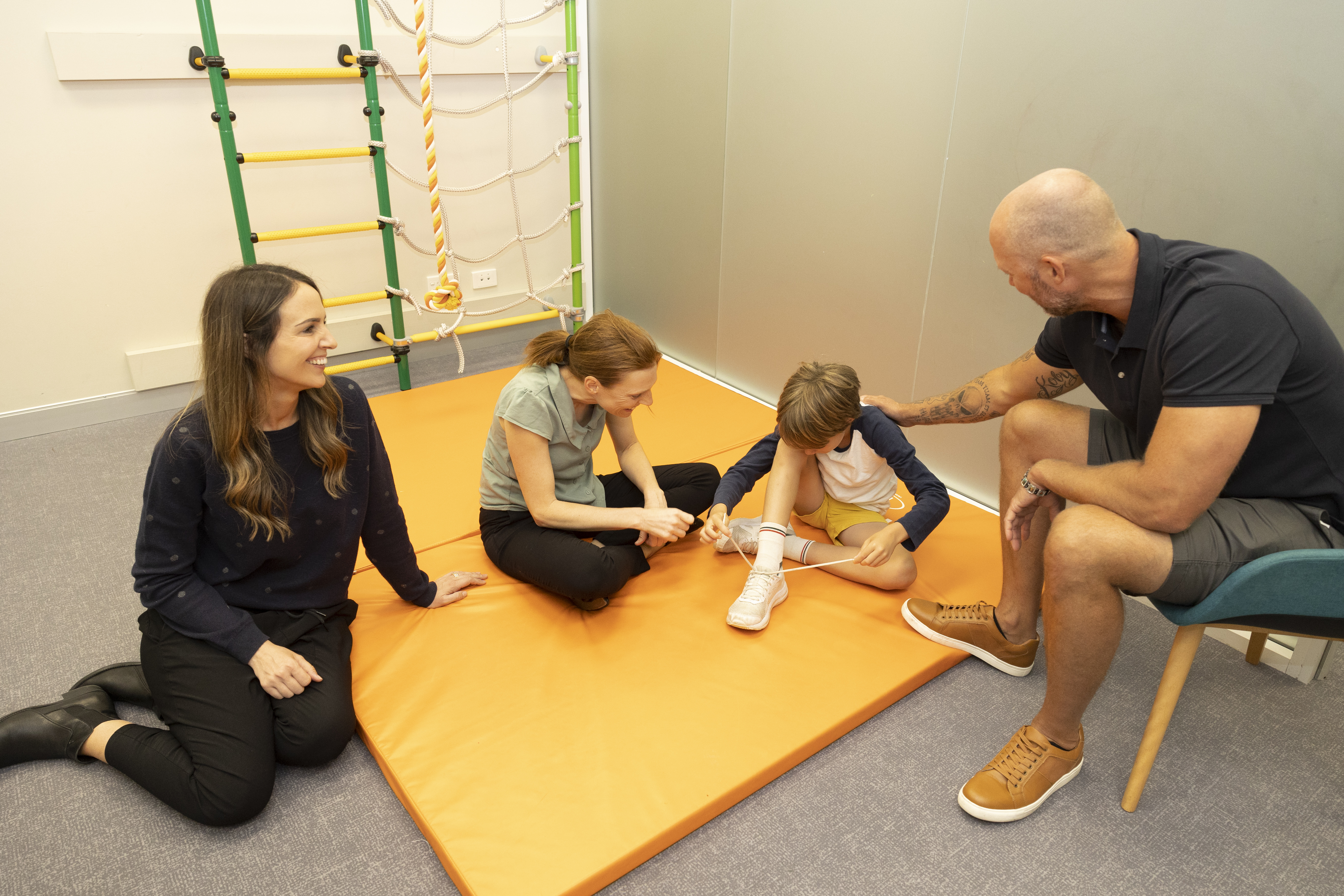
Children with neurodevelopmental, emotional, or behavioural challenges participate in lower levels of physical activity (PA) and subsequently have poorer physical and mental health outcomes. We sought to determine the feasibility and preliminary efficacy of a multi-component physical literacy program for children with neurodevelopmental, emotional, or behavioural challenges.
Although school-based delivery of online interventions can effectively prevent depression and other common mental disorders, little is known about the characteristics of students who engage with these programs. This study aimed to identify predictors of two indicators of adolescent engagement (program usage and skill enactment) with a school-based online depression prevention program. The study also explored the association between skill enactment and mental health outcomes.
In the last decade, reduction in adolescent fertility rates in Indonesia has slowed despite national programmes and policies focused on addressing child marriage. Indonesia currently has the highest number of births to adolescent girls aged 15-19 years in Southeast Asia. There is a need to develop a more nuanced understanding of the drivers of adolescent pregnancy in Indonesia to inform programmes and policies tailored to young people's needs and priorities.
Fidgety movements occur in infants between the age of 9 to 20 weeks post-term, and their absence are a strong indicator that an infant has cerebral palsy. Prechtl's General Movement Assessment method evaluates whether an infant has fidgety movements, but requires a trained expert to conduct it. Timely evaluation facilitates early interventions, and thus computer-based methods have been developed to aid domain experts.