
Search
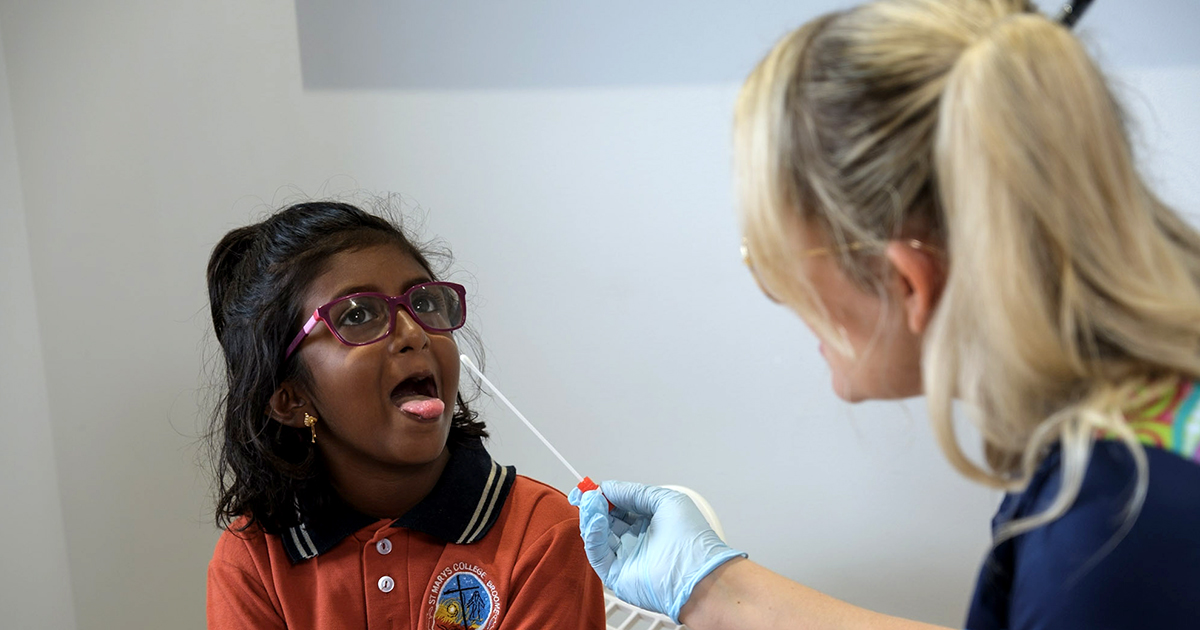
New research has revealed that molecular point-of-care testing (POCT) can significantly improve detection of Group A Streptococcal (Strep A) pharyngitis compared to laboratory culture – particularly in remote communities, where results can take up to seven days – unlocking a major opportunity to prevent rheumatic
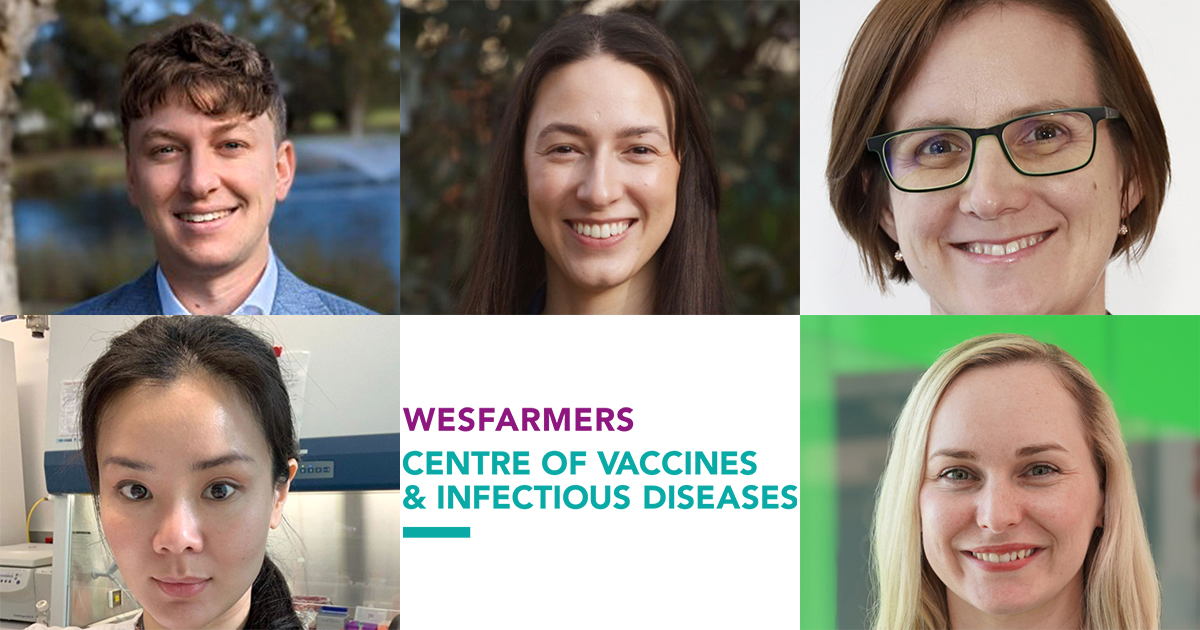
Congratulations to Alec Truswell, Tamara Veselinović, Anastasia Phillips, and Wenna Lee for being awarded Seed Funding through the Wesfarmers Centre of Vaccines & Infectious Diseases, each valued at up to $25,000, and to Sonia McAlister, the recipient of the 2026 Riley Hughes Memorial Award in Pertussis Research.
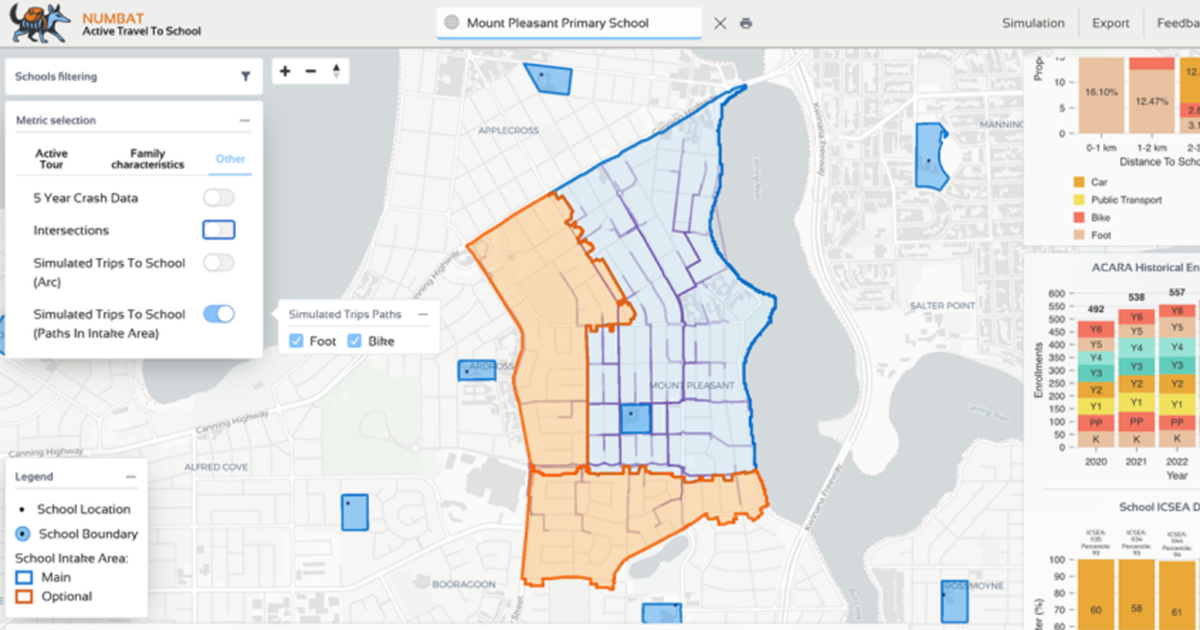
A powerful new digital modelling tool is helping tackle an emerging challenge in children’s health – the dramatic decline in walking and cycling to school.
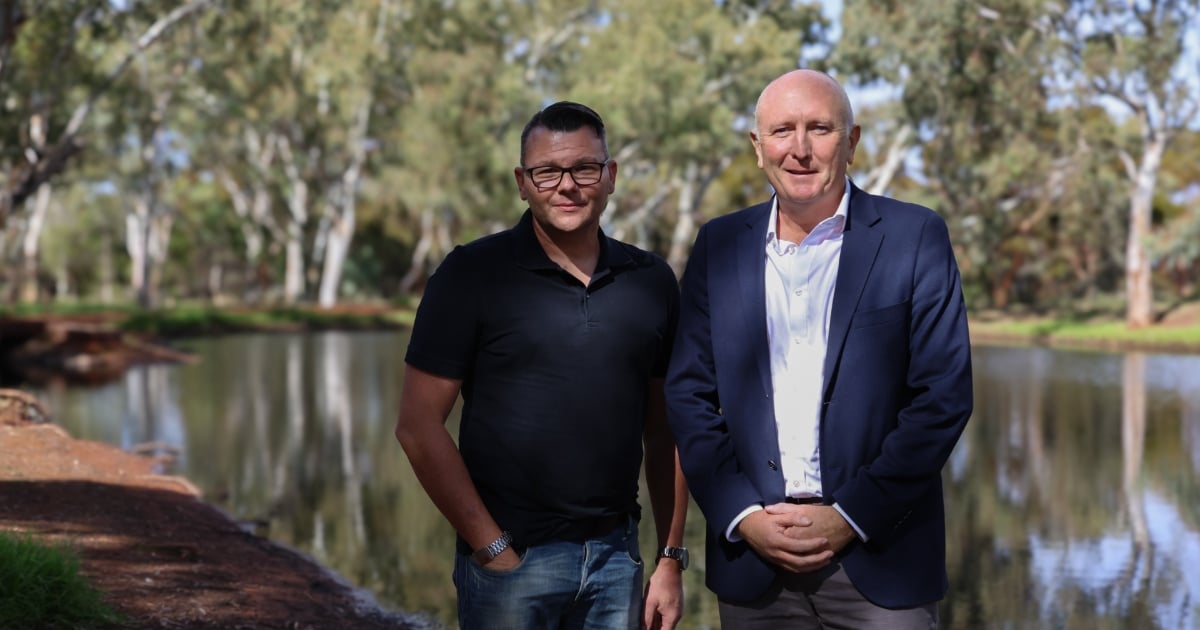
Scientists at The Kids Research Institute Australia are taking their fight against antibiotic- resistant superbugs to the Goldfields working alongside local Indigenous communities and councils.
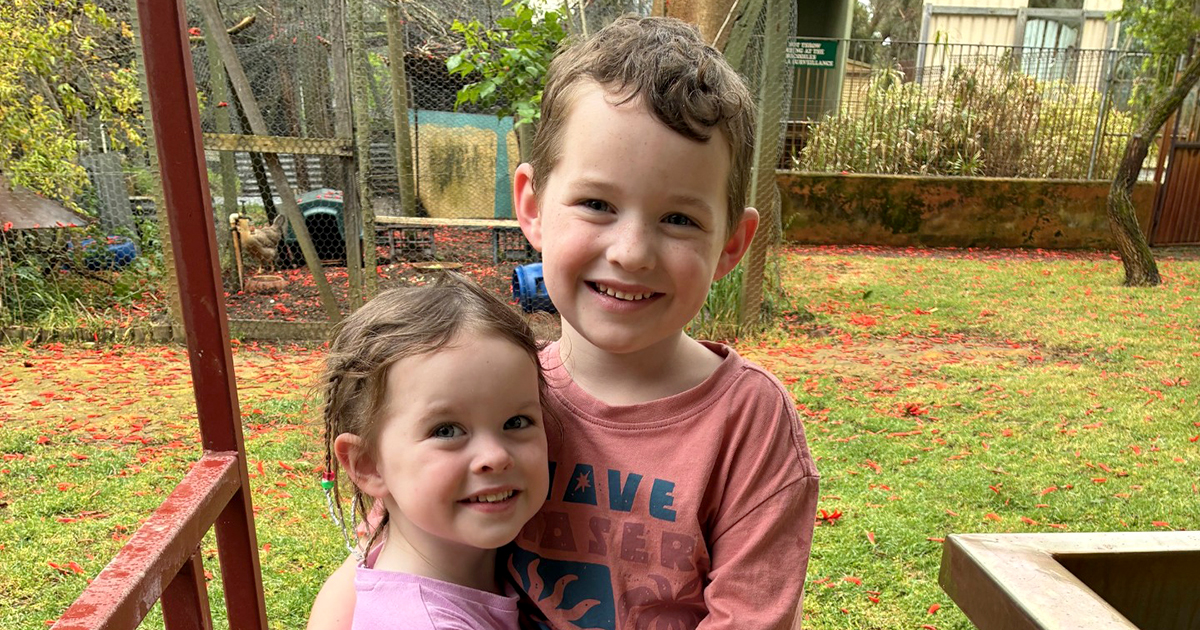
For decades, cystic fibrosis (CF) meant a life shaped by daily treatments, frequent hospitalisations, and an uncertain future. The arrival of CFTR modulators has changed that picture dramatically, and researchers at the Wal-yan Respiratory Research Centre now want to understand the bigger picture.
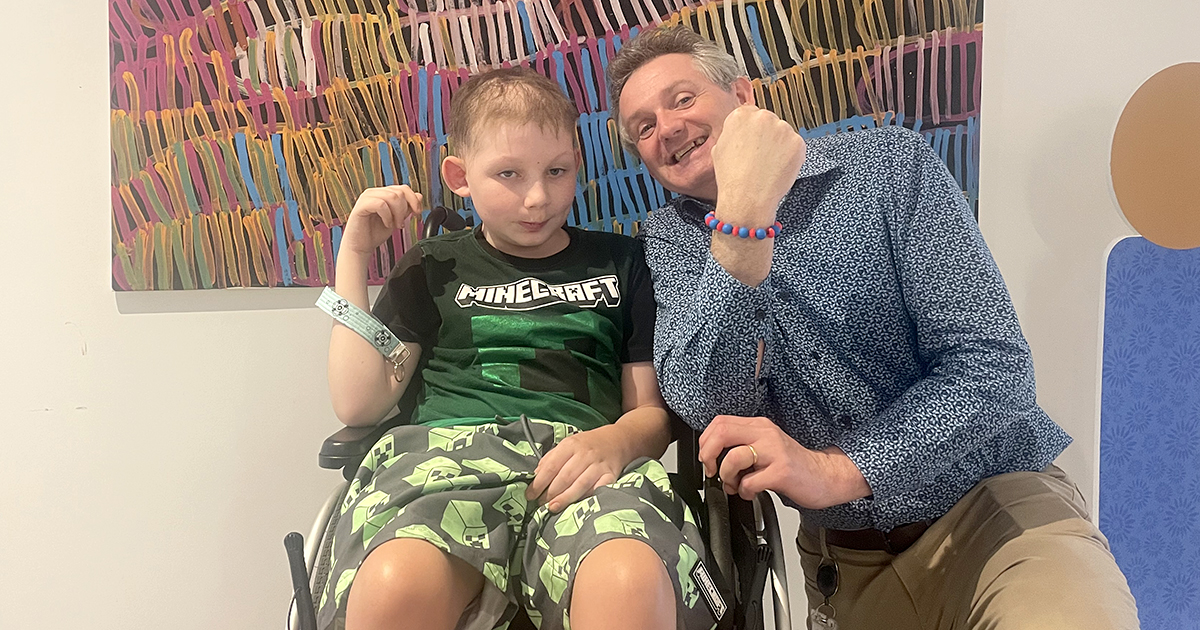
From a handful of handmade bracelets to a fundraising milestone with life-changing impact, Nickolai’s journey is one defined by resilience, generosity, and hope.
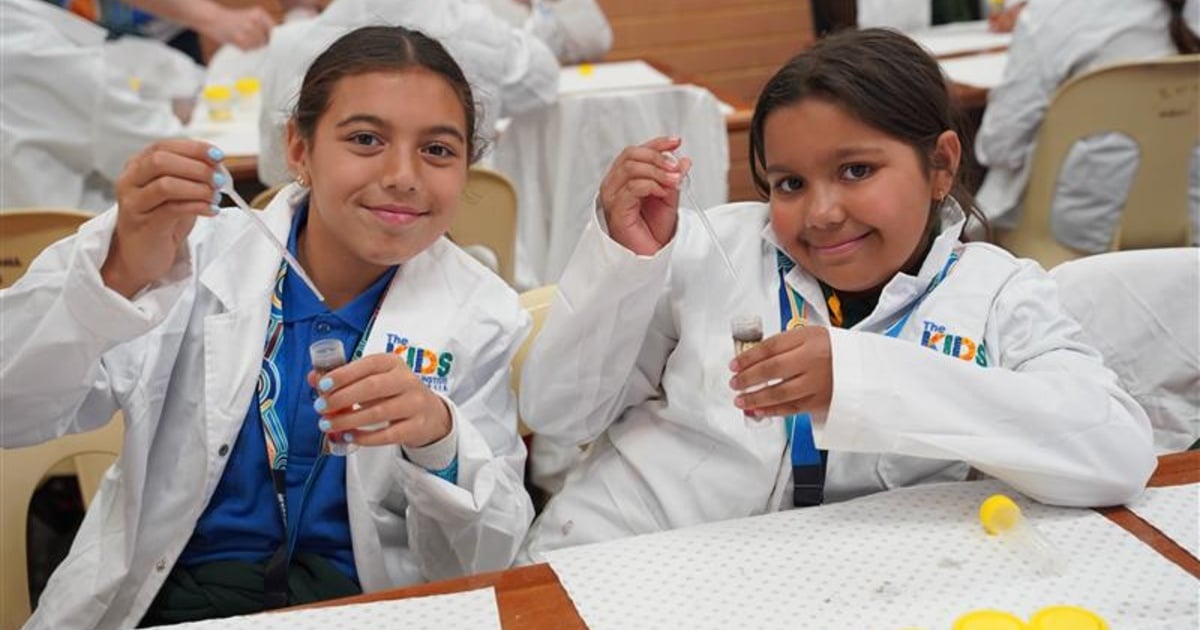
The Kids Research Institute Australia is returning to Kalgoorlie on 20 and 21 May 2026 to host its second STEM Festival and set off a chain-reaction of fun, with two idea-fuelled days of activities planned for local children and families
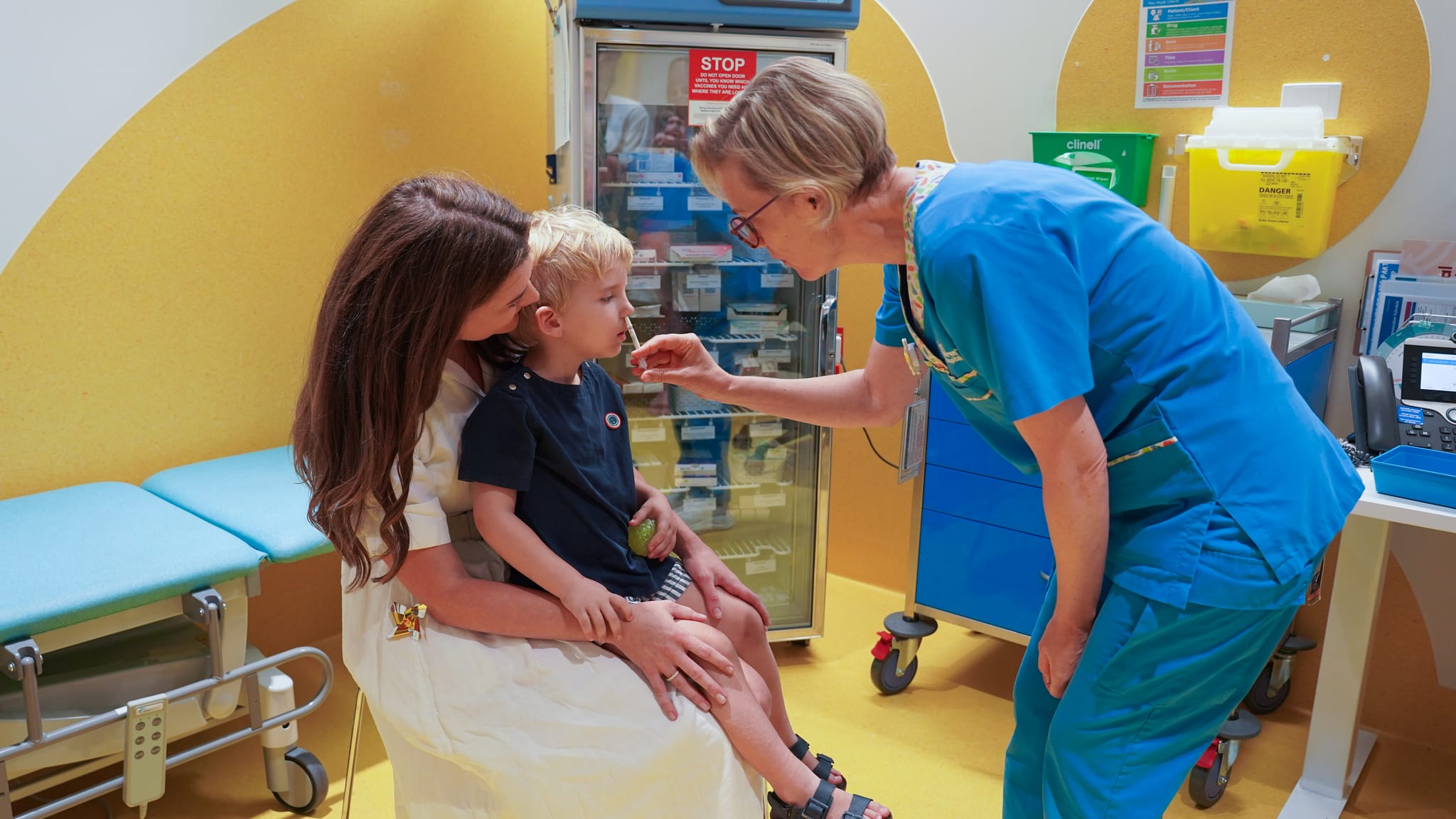
Researchers at The Kids Research Institute Australia hope an Australian-first nasal spray vaccine for two to 11-year-olds will boost flu vaccination this winter.
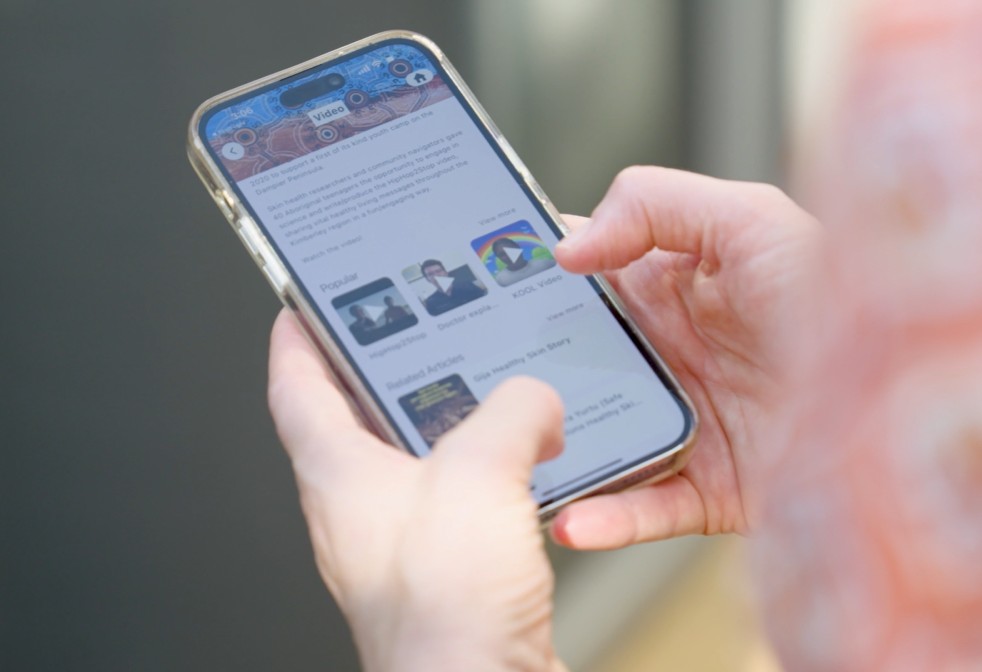
Aboriginal families across Western Australia are being equipped with the knowledge to take early action against potentially life-threatening skin infections thanks to the launch of a Strong Skin phone app.

As Neurodiversity Celebration Week draws to a close, we are shining a light on an important study underway at The Kids Research Institute Australia, led by Dr Thom Nevill, a Research Officer within our Human Development and Community Wellbeing and Child Disability teams.