
Search

Our team is comprised of well experienced clinicians who can support your child and family.
By fundraising, you’re helping raise awareness and provide funds to support CliniKids and the work we do with autistic children. There are lots of ways to fundraise, online and offline.
Contact us If you have any questions about getting started, please contact our giving team. We're happy to help! +61 8 6319 1333 giving@thekids.org.au
The number of words children produce (expressive vocabulary) and understand (receptive vocabulary) changes rapidly during early development, partially due to genetic factors. Here, we performed a meta-genome-wide association study of vocabulary acquisition and investigated polygenic overlap with literacy, cognition, developmental phenotypes, and neurodevelopmental conditions, including attention-deficit/hyperactivity disorder.
Parenting is a rewarding experience but is not without its challenges. Parents of Autistic children face additional challenges, and as a result can experience lower levels of wellbeing and more mental health problems (i.e., depression, anxiety, stress). Previous studies have identified concurrent correlates of wellbeing and mental health.
This article describes the development of a Model of Care resource to support youth involved with the justice system where a neurodevelopmental disability such as Fetal Alcohol Spectrum Disorder is suspected. Service staff within the Youth Justice sector were engaged in an iterative process of resource development over a 9-month period.
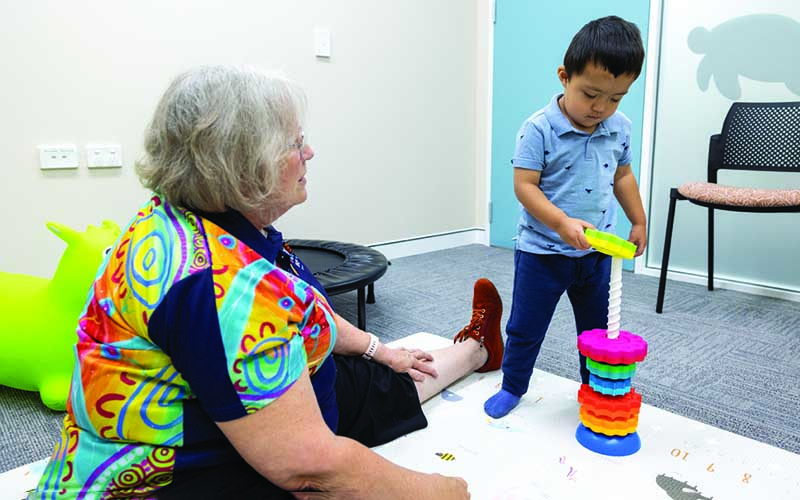
Discover how this family is benefitting from CliniKids' evidence-based therapies.
The aim of this study was to investigate the influence of children's autism characteristics, sensory profiles and feeding difficulties on caregiver-reported impact at mealtimes.
Reading and writing are crucial life skills but roughly one in ten children are affected by dyslexia, which can persist into adulthood. Family studies of dyslexia suggest heritability up to 70%, yet few convincing genetic markers have been found.
Reading Disability is often characterized by difficulties in the phonology of the language. While the molecular mechanisms underlying it are largely undetermined, loci are being revealed by genome-wide association studies.