
Search
Children in low-mid income countries, and First Nations children in high-income countries, experience disproportionately high rates of Streptococcus pneumoniae and Haemophilus influenzae infections and diseases including pneumonia and otitis media.
Infants aged <6 months are vulnerable to severe influenza disease and no vaccine is approved for use in this age group. We aimed to describe the epidemiology, risk factors associated with severe outcomes and management of influenza in Australian infants aged <6 months.
Following the end of winter, there has been a persistent absence of severe acute respiratory syndrome coronavirus 2 community transmission and no increase in influenza detections. Limited physical distancing measures have remained in place, with largely no restrictions on gathering sizes and no mandate for wearing masks.
BCG vaccination modulates immune responses to unrelated pathogens. This off-target effect could reduce the impact of emerging pathogens. As a readily available, inexpensive intervention that has a well-established safety profile, BCG is a good candidate for protecting healthcare workers (HCWs) and other vulnerable groups against COVID-19.
Influenza A virus is the only influenza virus causing flu pandemics. Influenza is a highly contagious disease that can be deadly, especially in high-risk groups. Worldwide, these annual epidemics are estimated to result in about 3 to 5 million cases of severe illness and in about 290,000 to 650,000 respiratory deaths.
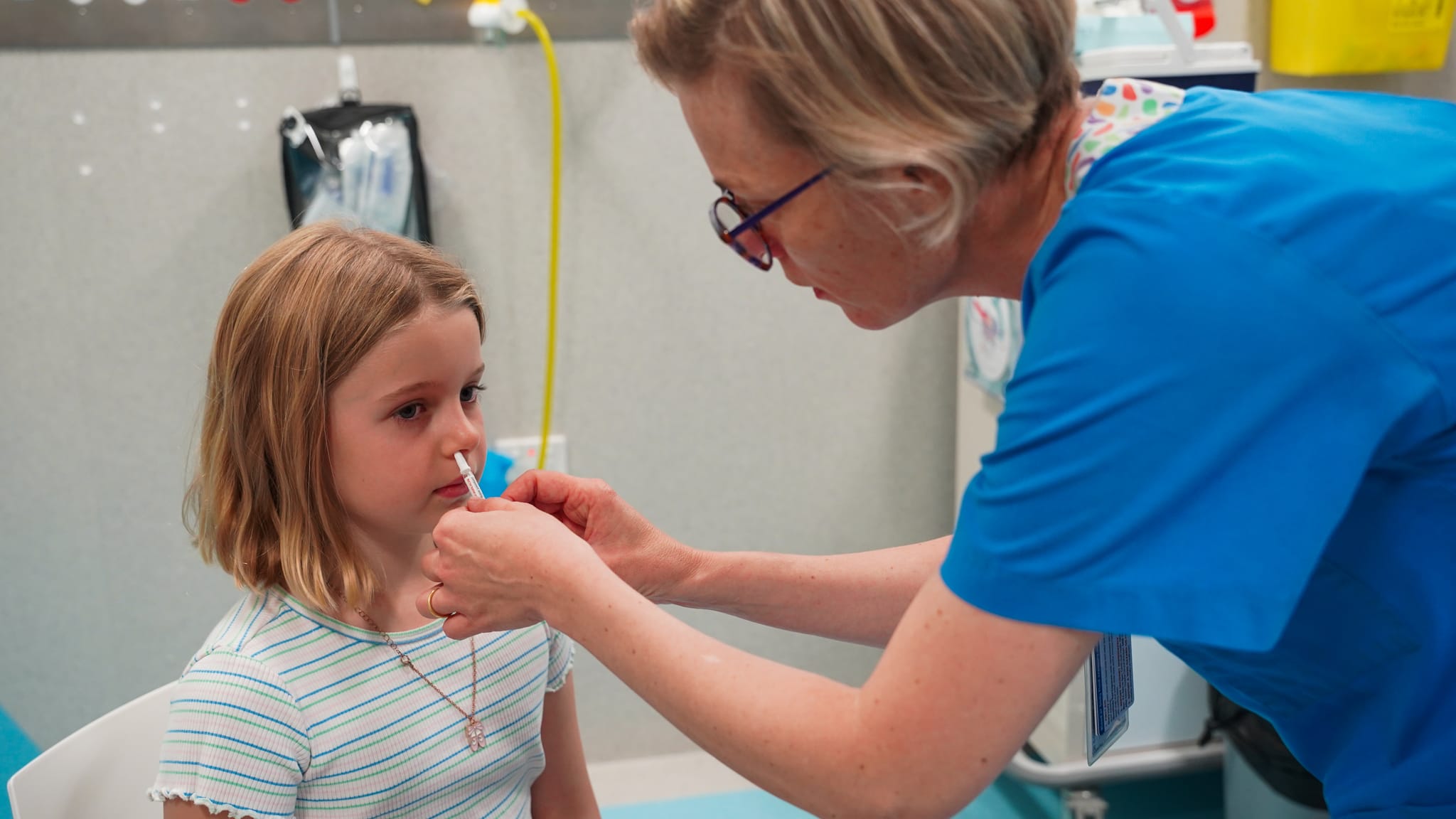
Influenza (commonly known as the flu) is caused by a highly contagious virus spread mainly through coughing and sneezing. An annual flu vaccination is the most effective way to prevent flu outbreaks.
SARS-CoV-2 nucleocapsid (N) protein antibodies can be used to identify the serological response to natural infection in those who have previously received a COVID-19 spike-based vaccine. Anti-N antibody responses can also be induced by inactivated whole SARS-CoV-2 virus vaccines, such as CoronaVac. We aimed to characterise antibody responses to the N protein following COVID-19 and following vaccination with CoronaVac.
COVID-19 related non-pharmaceutical interventions (NPIs) disrupted global healthcare utilisation, with notable declines in infection related paediatric hospitalisations. We aimed to identify non-infectious paediatric conditions for which the incidence of hospital admissions increased during the introduction and alleviation of NPIs in 2020.
Socio-economic inequality and vaccination inequity have long been critical issues. However, no studies have explored the gap in influenza vaccination uptake between public and private schools. Importantly, the extent to which socio-economic inequality translates into vaccination uptake inequity has not been quantified.
Immunisation is the most effective way of protecting your child against a range of serious illnesses, including measles, hepatitis B and whooping cough. All vaccines used in Australia undergo stringent testing and ongoing monitoring.