
Search
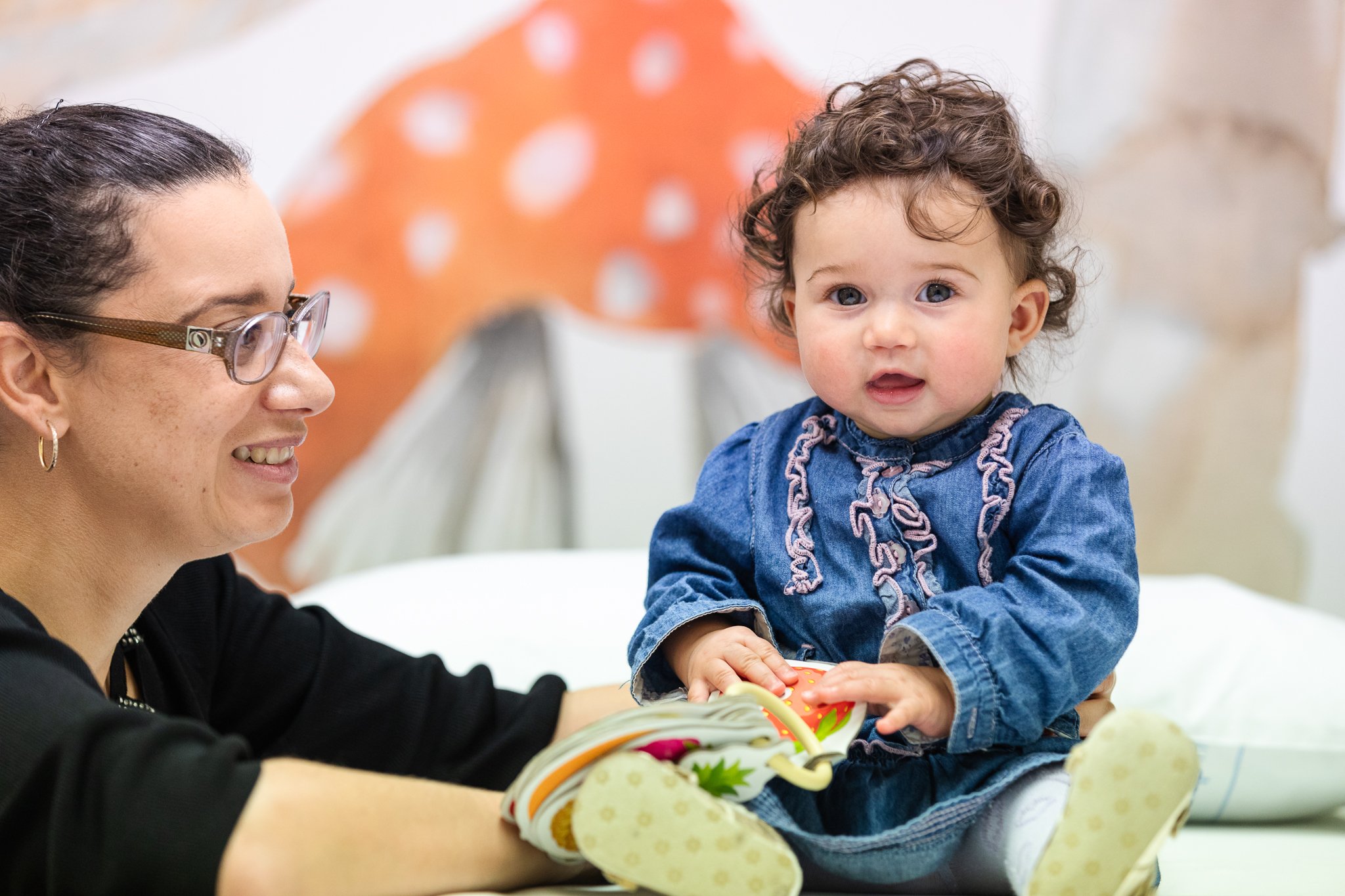
RHINO researchers from The Kids' Wal-yan Respiratory Research Centre, will analyse ORIGINS data and turn it into meaningful respiratory and allergy outcome data that can be used by researchers around the world.

PrEggNut is aiming to determine whether mothers regularly eating more eggs and peanuts during pregnancy and breastfeeding will reduce food allergies in their babies.

The Happy Parenting Program is investigating new ways to provide support to parents with young children from an early age.

Understanding how families engage with screen technologies and how it may influence child development
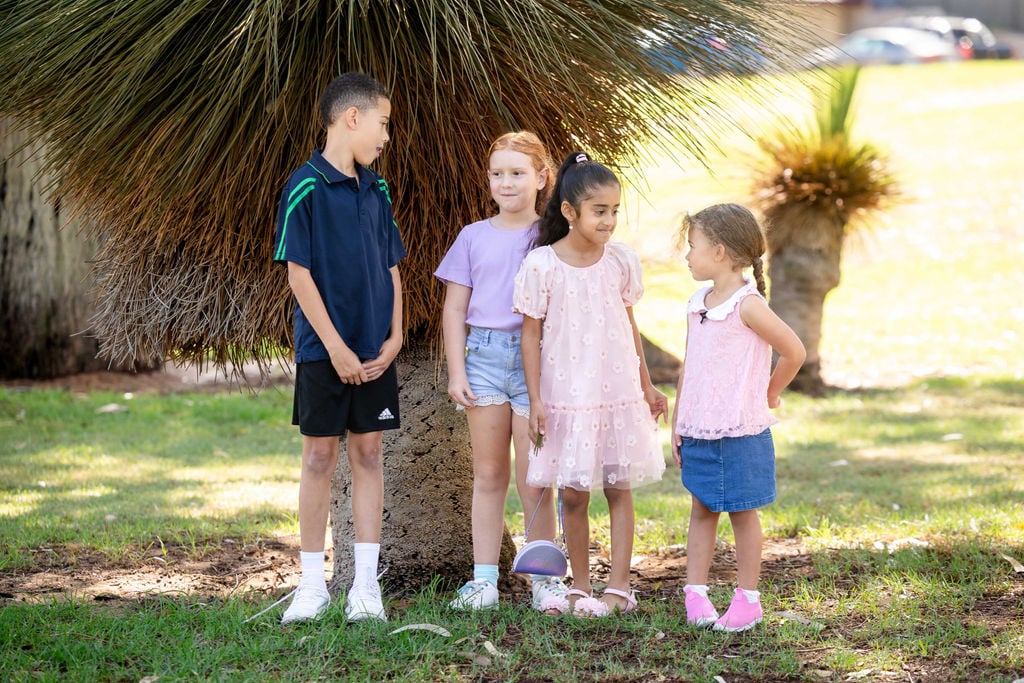
Assessing efficacy of infant T-cells to develop child-specific cancer immunotherapies.
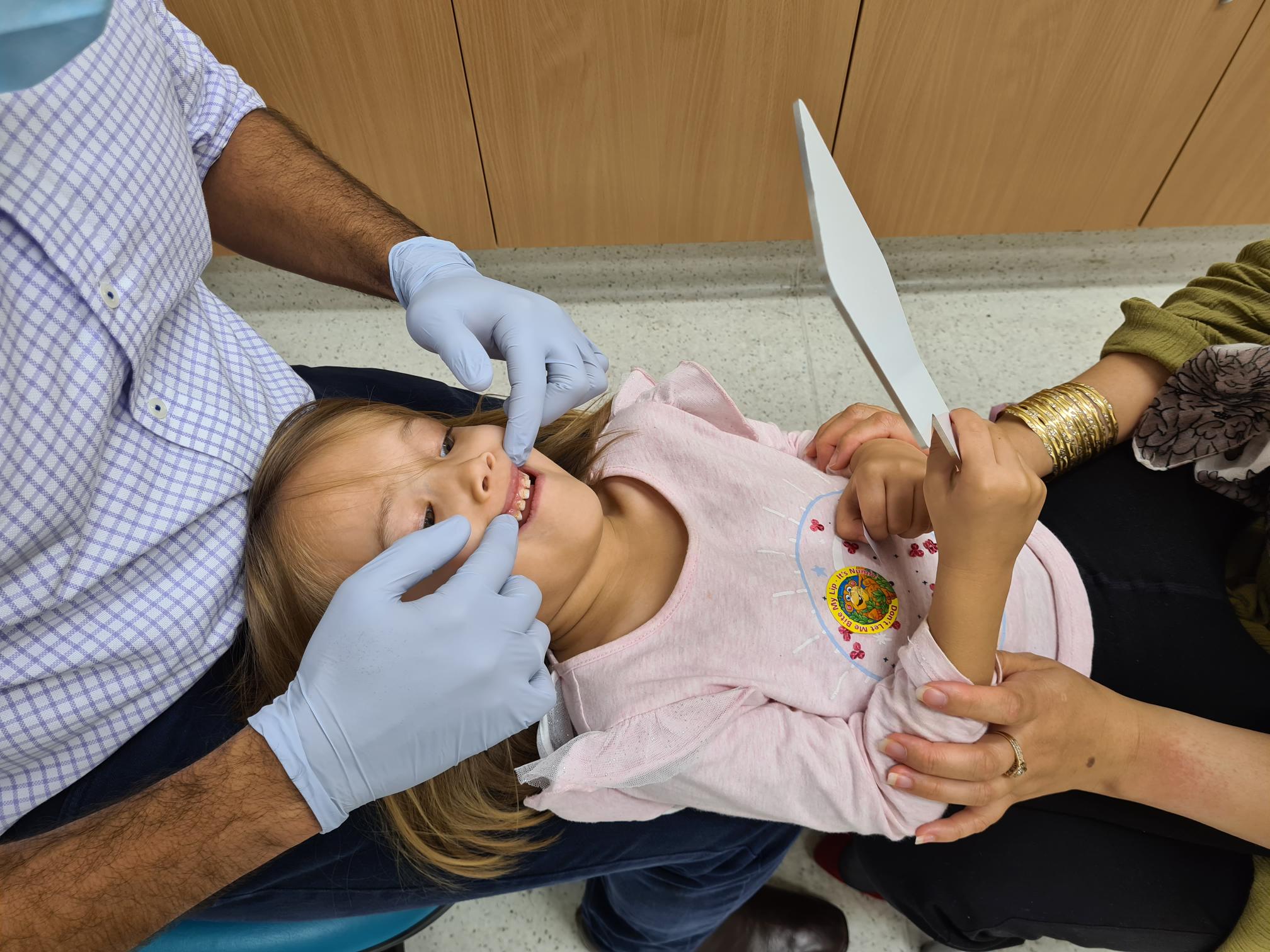
Assessing a dental photographic method as an alternative dental screening method.

The impact of familial and childhood health conditions on health later in life.
The broadening of the clinical definition of autism over time-the so-called, autism spectrum-has run in parallel with the growth of a neurodiversity movement that has reframed the concept of autism entirely. Without a coherent and evidence-based framework through which both of these advances can be situated, the field is at risk of losing definition altogether.
The ability to balance conflicting functional demands is critical for ensuring organismal survival. The transcription and repair of the mitochondrial genome requires separate enzymatic activities that can sterically compete, suggesting a life-long trade-off between these two processes.
Equitable SARS-CoV-2 surveillance in low-resource communities lacking centralized sewers is critical as wastewater-based epidemiology (WBE) progresses. However, large-scale studies on SARS-CoV-2 detection in wastewater from low-and middle-income countries is limited because of economic and technical reasons.