
Search
Carcinogenic effects of ultraviolet radiation (UVR) with reference to skin cancer are the basis of widely implemented recommendations to avoid sun exposure. Whether the benefits of "restrictive sun policies" outweigh their potential harms due to diminished beneficial effects of sunlight exposure remain a matter of controversy.
Management and outcomes of children hospitalised with acute SARS-CoV-2 infection may differ throughout the pandemic or with admission type (clinical COVID-19, incidental COVID-19 or nosocomial infection).
Diarrhoea remains a leading cause of mortality among children under five years of age, with over 99 % of deaths occurring in low- and middle-income countries. Poor water quality, inadequate sanitation, poverty, undernutrition, and limited healthcare access contribute to this lingering problem, together with emerging environmental stressors driven by climate change.
The airway epithelium is the primary structural and functional airway barrier and orchestrates innate immunity. Some children may have underlying epithelial vulnerabilities that contribute to the pathogenesis of acute wheeze and asthma.
Impaired oxygen delivery or blood flow to the brain around the time of birth can cause injury. Hypoxic ischaemic encephalopathy is a leading cause of death and disability in term and near-term infants.
Asthma affects > 10% of children in Australia and New Zealand (NZ), with up to 5% of those having severe disease, presenting a management challenge. We aimed to survey tertiary paediatric respiratory services across Australia and NZ using a custom-designed questionnaire, to conduct a cross-sectional observational study of the numbers of children with problematic severe asthma seen, the number treated with biologic therapy, outpatient clinic/multidisciplinary team services available, investigations and tools routinely used and approaches utilised for transition to adult care.
Otitis media with effusion (OME) affects hearing, speech development, and quality of life (QoL) in children. The 'Blow, Breathe, Cough' (BBC) intervention promotes nasal, respiratory, and middle ear clearance through nose blowing, deep breathing, coughing, and hand hygiene. It shows promise in resolving OME but lacks randomized-controlled trial (RCT) evaluation. This paper presents a RCT protocol evaluating BBC's effect on OME resolution, hearing, speech, and QoL in children aged two to seven years.
Nirsevimab is a long-acting monoclonal antibody used to prevent respiratory syncytial virus (RSV) infection in infants and high-risk children. During the 2024 RSV season in Western Australia, 21 922 doses were administered to infants entering their first season and 1221 doses to at-risk children. In this context, the selection and spread of escape variants are a potential concern. This study aimed to investigate nirsevimab binding site mutations using clinical and wastewater data.
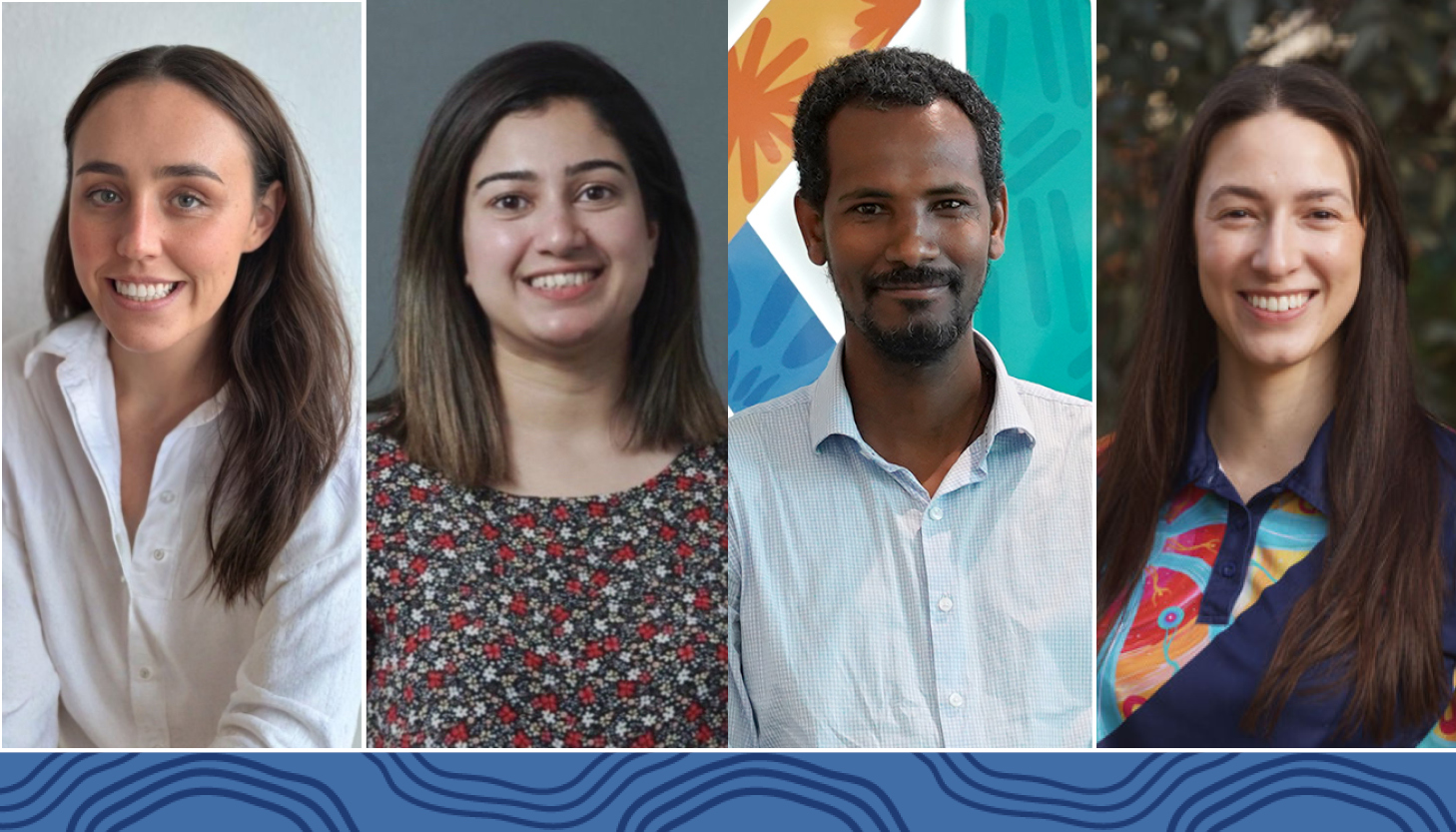
Congratulations to four outstanding early-career researchers from The Kids Research Institute Australia, who have been awarded BrightSpark Foundation fellowships and project funding for 2026.
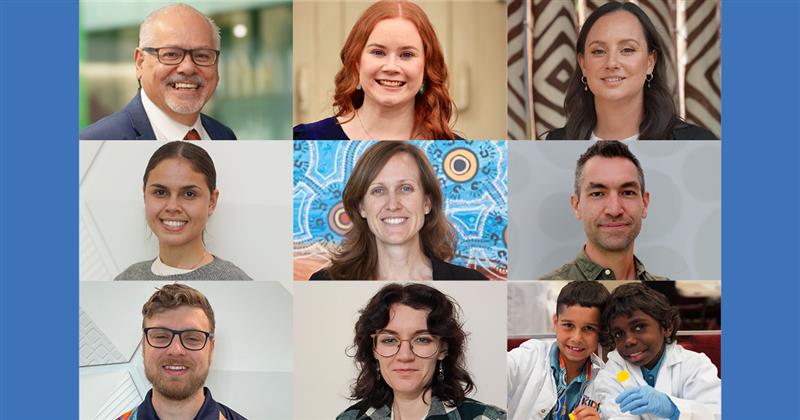
Eight outstanding researchers from The Kids Research Institute Australia and the Institute-led Broome STEM Festival are finalists in the 2025 Premier’s Science Awards.