
Search
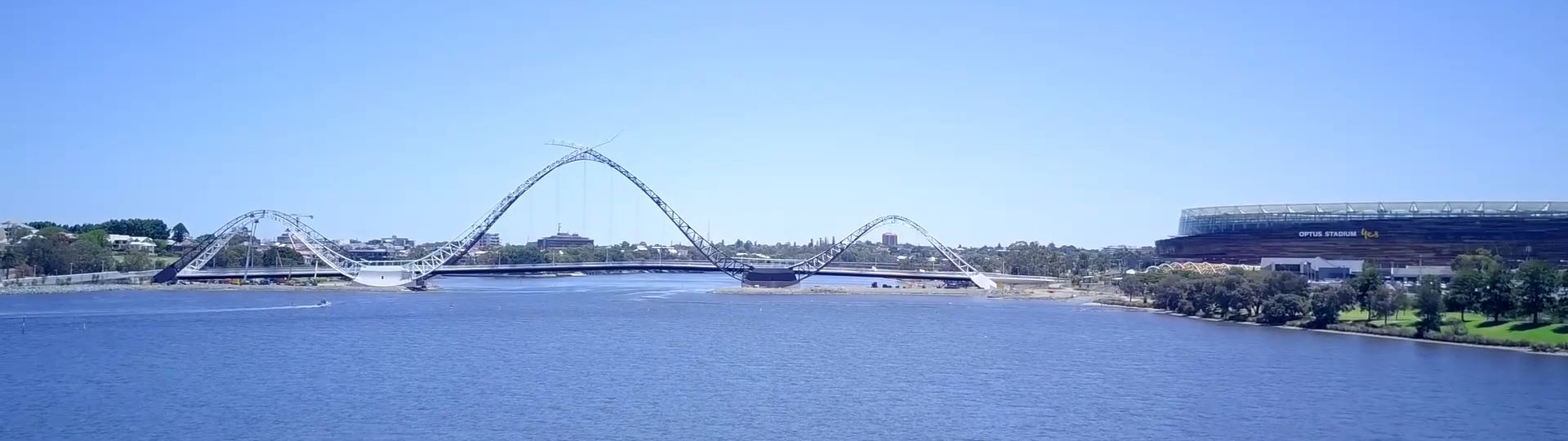
The fifth Big Elders meeting/gathering was held on the Wednesday, 28th of February 2024 at Burswood on Swan.
This research project was part of the broader Ngulluk Koolunga Ngulluk Koort (Our Children, Our Heart) five-year (2016 to 2020) project.
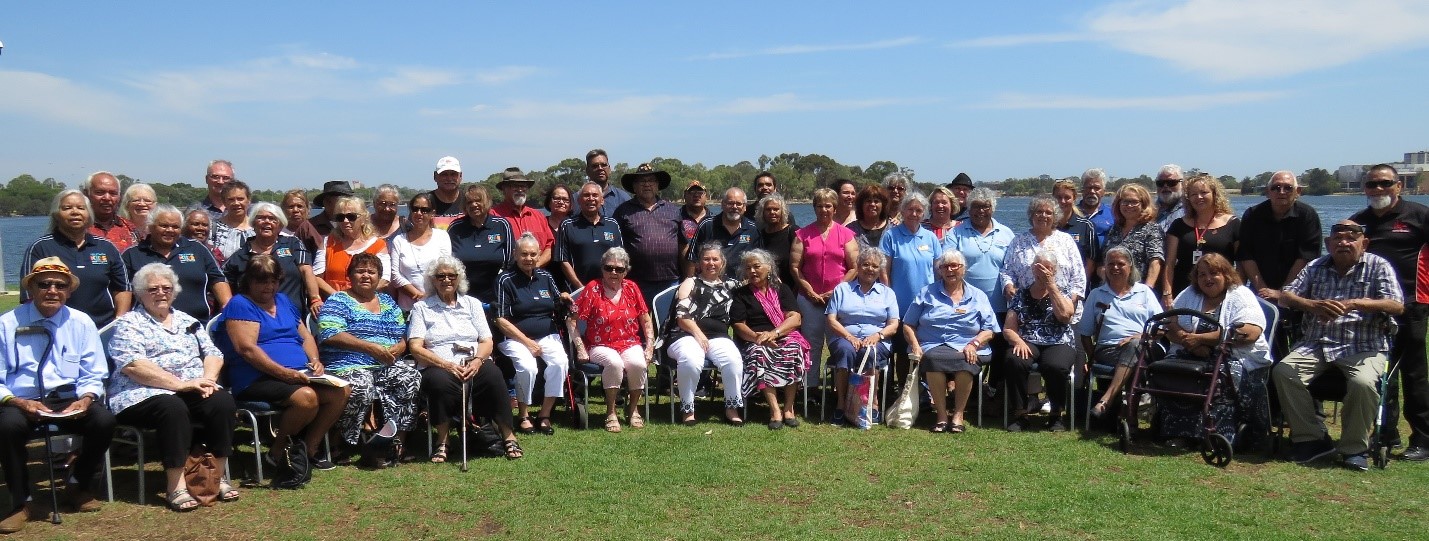
The third Big Elders meeting/gathering was held on the 26th of February 2019 at Burswood on Swan.
The aim of establishing a local presence is based upon an intention to be by invitation considered as part of the Kimberley group of organisations as well ...
A Network comprised of four regional sites to facilitate key medical, research and training activities undertaken in partnership with Aboriginal communities.
CREAHW is a program of intervention research focused on achieving sustainable change for the Aboriginal community & improving the lives of Aboriginal people.
To assess the prevalence, clinical features and treatment of otitis media (OM) among Aboriginal children in the Kimberley region of Western Australia, and to determine if a correlation exists between OM and protracted bacterial bronchitis.
This chapter outlines the concept of ‘justice capital’. It commences with a discussion of the impacts of colonization on Indigenous people in Australia, with a particular focus on Indigenous children placed in state care systems.
Low vitamin D status and intake are prevalent among the Australian population, including Aboriginal and Torres Strait Islander peoples. We hypothesised that some traditional foods could contain vitamin D, and measured vitamin D in foods from Nyoongar Country, Western Australia. Samples of kangaroo, emu, squid/calamari and lobster/crayfish were collected and prepared by Aboriginal people using traditional and contemporary methods.
Indigenous peoples globally have incurred significant harm resulting from colonisation and the forced removal of children from their families, culture, communities and Country. Over the last two decades in Australia, there have been calls for significant reform and there has been a raft of policy changes in child protection services. However the problems are intractable, and the numbers of Indigenous children being removed from their families continues to rise.