Search
We explore the contemporary landscape of housing investments and initiatives seeking to improve health outcomes among Aboriginal and Torres Strait Islander people in Australia, as well as the dearth of quality evidence and agreed approaches to evaluation.
Otitis media has a high prevalence in childhood, and grommet insertion is the most common surgical treatment for OM. The public health system in Australia faces considerable strains, including high demand for Ear, Nose and Throat specialists. Extending the scope of practice for audiologists to manage post-operative care for children receiving grommets has the potential to alleviate this burden.
Tonsillectomy and adenoidectomy are two of the most commonly performed ENT procedures in children, with over 500,000 cases performed annually in the United States. Whilst generally considered a safe and well-tolerated operation, it is not without its risks and complications including pain, nausea, anorexia and most importantly bleeding and post-tonsillectomy haemorrhage.
Tamara Chris Valerie Veselinovic Brennan-Jones Swift BSc(Hons) MClinAud PhD PhD Clinical Research Fellow Head, Ear and Hearing Health Aboriginal
Chris Deborah Tamara Brennan-Jones Lehmann Veselinovic PhD AO, MBBS, MSc BSc(Hons) MClinAud PhD Head, Ear and Hearing Health Honorary Emeritus Fellow
Otitis media (OM) is one of the most common infections in young children, arising from bacterial and/or viral infection of the middle ear. Globally, Streptococcus pneumoniae and non-typeable Haemophilus influenzae (NTHi) are the predominant bacterial otopathogens. Importantly, common upper respiratory viruses are increasingly recognized contributors to the polymicrobial pathogenesis of OM.
The 2001 Recommendations for clinical care guidelines on the management of otitis media in Aboriginal and Torres Islander populations were revised in 2010. This 2020 update by the Centre of Research Excellence in Ear and Hearing Health of Aboriginal and Torres Strait Islander Children used for the first time the Grading of Recommendations, Assessment, Development and Evaluation (GRADE) approach.
Chronic suppurative otitis media (CSOM), sometimes referred to as chronic otitis media (COM), is a chronic inflammation and often polymicrobial infection (involving more than one micro-organism) of the middle ear and mastoid cavity, characterised by ear discharge (otorrhoea) through a perforated tympanic membrane. The predominant symptoms of CSOM are ear discharge and hearing loss. Antibiotics are the most common treatment for CSOM, which act to kill or inhibit the growth of micro-organisms that may be responsible for the infection.
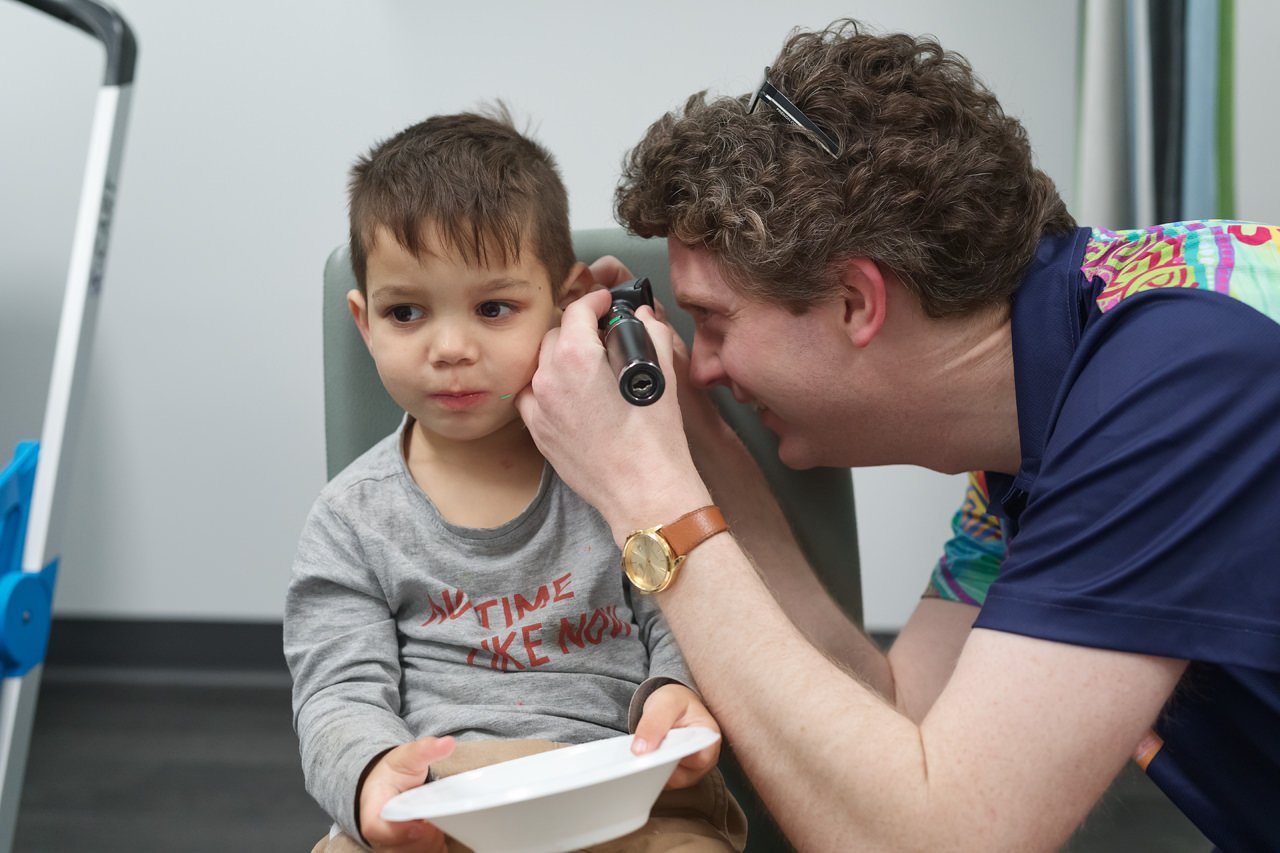
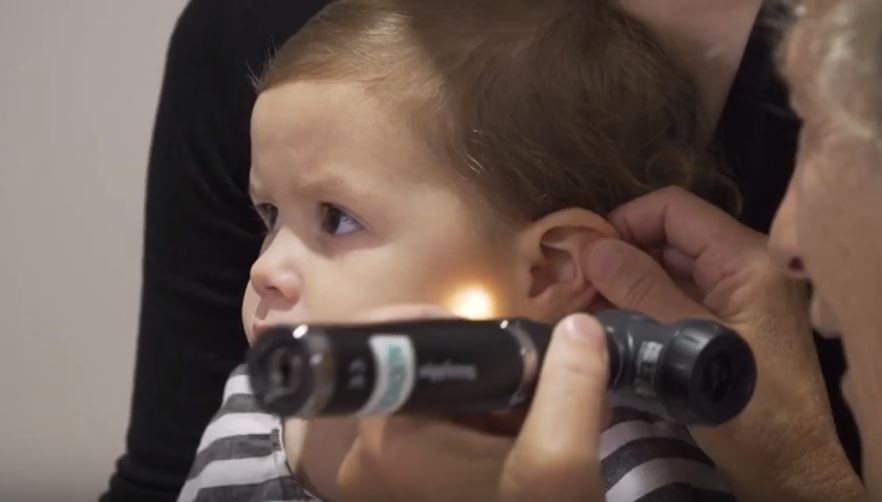
Video otoscopy plays an important role in improving access to ear health services. This study investigated the clinician-rated quality of video otoscopy recordings and still images, and compared their suitability for asynchronous diagnosis of middle-ear disease. Two hundred and eighty video otoscopy image-recording pairs were collected from 150 children (aged six months to 15 years) by an ear, nose, and throat (ENT) specialist, audiologists, and trained research assistants, and independently rated by an audiologist and ENT surgeon.
The majority of Australian Aboriginal and Torres Strait Islander (hereafter referred to as “Aboriginal”) people live in urban centres. Otitis media (OM) occurs at a younger age, prevalence is higher and hearing loss and other serious complications are more common in Aboriginal than non-Aboriginal children. Despite this, data on the burden of OM and hearing loss in urban Aboriginal children are limited.